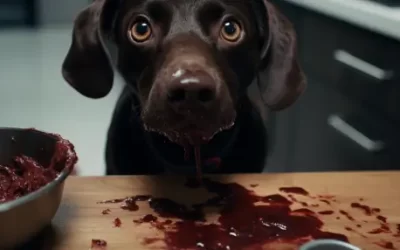
Are you a devoted pet owner, scrolling through the vast expanse of the internet, seeking answers to a seemingly simple yet vital question – can dogs eat cake frosting? The love we share with our canine companions often extends to the treats we wish to share, and in the world of pet nutrition, each decision becomes a gesture of care.
If you find yourself here, pondering the safety and nuances of including cake frosting in your dog’s diet, rest assured, you’re not alone in your quest for clarity.
As a seasoned veterinary professional with years of experience in the field, I understand the intricacies of pet nutrition, the delicate balance required for their well-being, and the myriad questions that arise when considering treats.
Drawing upon my expertise, I am here to provide you with comprehensive insights that go beyond generic advice, offering a tailored perspective based on years of practical experience.
If you seek not just an answer but a thorough understanding that empowers you to make informed decisions for your beloved pet, read on.
Dogs can eat cake frosting in moderation, but it’s important to be mindful of the ingredients. Avoid using frosting with harmful substances like xylitol, chocolate, or excessive sugar. Opt for dog-friendly alternatives, ensuring the frosting is free from toxic components.
- Understanding Canine Nutrition
- Cake Frosting Ingredients
- Risks of Allowing Dogs to Consume Cake Frosting
- Alternatives to Traditional Cake Frosting for Dogs
- Signs of Allergic Reactions or Discomfort
- Moderation and Portion Control
- Homemade vs. Store-Bought Frosting
- Final Thoughts: Can Dogs Eat Cake Frosting?
- Summarizing Key Points
- Frequently Asked Questions on Feeding Dogs Cake Frosting?
Understanding Canine Nutrition
As a seasoned veterinary professional with years of experience, I understand the paramount importance of comprehending canine nutrition for the well-being of our beloved pets.
In this section, we delve into the intricacies of a dog’s dietary needs, shedding light on key aspects that contribute to their overall health and vitality.
Dog’s Dietary Needs
Dogs, like humans, require a well-balanced and nutritious diet to thrive. Understanding their dietary needs is crucial for responsible pet ownership. Canines are omnivores by nature, meaning their diet should consist of a combination of proteins, fats, carbohydrates, vitamins, and minerals.
Proteins are essential for muscle development and maintenance, while fats provide a concentrated source of energy. Carbohydrates contribute to overall energy levels and aid in digestion.
In crafting a suitable diet for your dog, it’s essential to consider factors such as age, breed, size, and activity level.
Puppies, for instance, have different nutritional requirements than senior dogs, and larger breeds may have specific needs compared to their smaller counterparts. Customizing their diet based on these factors ensures that they receive the appropriate nutrients at every stage of life.
Key Nutrients Essential for a Dog’s Health
When it comes to ensuring optimal health for your furry companion, certain key nutrients play a vital role. Here, we explore these essential components that contribute to a dog’s overall well-being.
- Proteins: Dogs require a sufficient intake of high-quality proteins, as they serve as the building blocks for various bodily functions. Meat, eggs, and certain plant-based sources can provide the necessary amino acids crucial for muscle development, immune function, and the production of enzymes and hormones.
- Fats: While moderation is key, incorporating healthy fats into your dog’s diet is essential. Fats support energy levels, aid in nutrient absorption (especially fat-soluble vitamins), and contribute to maintaining healthy skin and a glossy coat. Sources of healthy fats include fish oil, flaxseed oil, and certain animal fats.
- Carbohydrates: Often sourced from grains and vegetables, carbohydrates provide a readily available energy source. While dogs can thrive on a diet with moderate carbohydrate content, individual tolerance may vary. It’s crucial to choose whole, unprocessed grains and vegetables to ensure the inclusion of beneficial fiber and nutrients.
- Vitamins and Minerals: Dogs require a spectrum of vitamins and minerals for various physiological processes. Vitamin A is essential for vision and immune health, while Vitamin D contributes to bone health. Minerals like calcium and phosphorus are crucial for skeletal development, and a balance of these nutrients is necessary for overall health.
Also Read: Can Dogs Eat Strawberry Cake?
Cake Frosting Ingredients
As we embark on the journey of understanding the compatibility of cake frosting with our canine companions, a crucial step is scrutinizing the ingredients that make up this sweet delight.
The safety of these ingredients for dogs hinges on a nuanced understanding of their dietary sensitivities and nutritional requirements.
In this section, we meticulously examine common cake frosting components, identify potential hazards, and shed light on specific ingredients that demand our caution.
Common Ingredients in Cake Frosting
When it comes to cake frosting, the allure lies in its creamy texture and sweet taste. However, a closer look at the ingredients is paramount for responsible pet owners. Common components include:
- Sugar: While dogs can taste sweetness, excessive sugar intake can lead to various health issues such as obesity and dental problems. Monitoring the sugar content in cake frosting is crucial.
- Butter: Rich in fats, butter can contribute to an excess of calories. While healthy fats are necessary, moderation is key to prevent weight-related complications.
- Milk or Cream: Lactose intolerance is prevalent in some dogs, leading to digestive issues. Dairy-based ingredients should be approached with caution.
- Flour: While generally safe, the type of flour used may vary. Some dogs may have sensitivities to certain grains, so it’s essential to consider individual tolerance.
Potential Harmful Substances for Dogs
- Chocolate: Often used in chocolate-flavored frostings, chocolate contains theobromine, which is toxic to dogs. Even small amounts can lead to adverse effects, including vomiting, diarrhea, and, in severe cases, seizures.
- Xylitol: A sugar substitute found in some frostings, xylitol is highly toxic to dogs and can lead to rapid insulin release, causing hypoglycemia. Ingestion of xylitol may result in seizures or even liver failure.
- Artificial Sweeteners: Some artificial sweeteners, such as aspartame, can pose risks to dogs. Ingesting foods containing these sweeteners may lead to various health issues.
Specific Ingredients to Watch Out For
Among the myriad of cake frosting ingredients, certain components demand particular attention. Artificial sweeteners, especially xylitol, can be perilous for our canine companions.
Xylitol, even in small quantities, has the potential to cause severe harm, making it imperative for pet owners to meticulously inspect the ingredient list of any frosting intended for their furry friends.
As we navigate through the nuances of pet nutrition, awareness of these potentially harmful ingredients becomes a cornerstone in ensuring the safety and well-being of our cherished dogs.
Also Read: Can Dogs Eat Angel Food Cake?
Risks of Allowing Dogs to Consume Cake Frosting
As vigilant stewards of our canine companions’ health, it is crucial to delve into the potential risks associated with allowing dogs to indulge in the delectable realm of cake frosting.
While the temptation to share a sweet treat with our furry friends is understandable, a closer examination reveals the intricate interplay between frosting ingredients and canine physiology.
In this section, we unravel the health risks, scrutinize the impact on digestive systems, and address the overarching concerns tied to obesity and excessive sugar intake.
Potential Health Risks Associated with Cake Frosting
Indulging in cake frosting may seem harmless, but for dogs, it can pose several health risks. One primary concern lies in the sugar content. Excessive sugar consumption can lead to weight gain, dental issues, and an increased risk of diabetes.
Additionally, certain ingredients, such as chocolate or artificial sweeteners, can introduce toxins into a dog’s system, causing a range of adverse effects from gastrointestinal upset to more severe complications.
Impact on Canine Digestive Systems
The canine digestive system is finely tuned to process a specific range of nutrients, and the introduction of rich and sugary substances like cake frosting can disrupt this delicate balance.
Dogs may experience gastrointestinal distress, including vomiting, diarrhea, and abdominal discomfort. Moreover, ingredients like lactose in dairy-based frosting can exacerbate digestive issues, particularly in dogs with lactose intolerance.
It is imperative to be attuned to any signs of discomfort or irregularities in your dog’s bowel movements after they’ve consumed cake frosting.
Concerns About Obesity and Excessive Sugar Intake
One of the overarching concerns tied to allowing dogs to consume cake frosting revolves around the risk of obesity and the associated health implications. Obesity in dogs can lead to a myriad of issues, including joint problems, diabetes, and a reduced lifespan.
The dual threat of excess calories from fats and sugars in frosting compounds the risk, making it crucial for pet owners to exercise prudence and restraint when considering such indulgences. Striking a balance between treating our dogs and safeguarding their health is a delicate but vital responsibility.
Also Read: Can Dogs Eat Pound Cake?
Alternatives to Traditional Cake Frosting for Dogs
For pet owners seeking to pamper their dogs with a delightful treat sans the risks associated with traditional cake frosting, exploring canine-friendly alternatives becomes a rewarding endeavor.
In this section, we embark on a journey into the realm of dog-friendly frosting recipes, where wholesome ingredients harmonize to create both a palatable and safe indulgence for our furry companions.
Dog-Friendly Frosting Recipes
- Peanut Butter Frosting: Combine unsweetened peanut butter with a touch of yogurt for a creamy, protein-rich frosting dogs will love.
- Banana Frosting: Mashed bananas, blended with a dollop of Greek yogurt, create a naturally sweet and potassium-rich frosting.
- Coconut Cream Frosting: Whisk coconut cream to achieve a luscious texture, offering a dairy-free option with a hint of tropical flavor.
- Carrot Cream Cheese Frosting: Blend cooked and pureed carrots with a modest amount of dog-safe cream cheese for a vitamin-packed frosting.
Nutritious Alternatives to Traditional Ingredients
When crafting dog-friendly frosting, opt for ingredients that not only tantalize your pet’s taste buds but also contribute to their overall well-being.
Utilize whole foods such as fruits, vegetables, and canine-safe dairy products to ensure a nutrient-rich alternative.
These ingredients not only provide essential vitamins and minerals but also offer a spectrum of flavors and textures to keep your dog intrigued.
Balance Between Taste and Safety for Your Pet
While it’s delightful to treat our dogs to homemade frosting, maintaining a balance between taste and safety is paramount.
Introduce new treats gradually, observing your dog’s reaction and ensuring they tolerate the ingredients well. Moderation remains key, even with these healthier alternatives.
By incorporating nutritious alternatives and being mindful of portion sizes, you can indulge your pet’s sweet tooth without compromising their health.
Also Read: Can Dogs Eat Lemon Cake?
Signs of Allergic Reactions or Discomfort
Our dogs, like us, can experience allergies or adverse reactions to certain foods. As responsible pet owners, it is crucial to be attuned to the signs that may indicate discomfort or an allergic response when introducing new treats, such as frosting, into their diet.
In this section, we delve into the common signs of allergic reactions in dogs, emphasizing the importance of vigilance and swift action to ensure the well-being of our beloved companions.
Common Signs of Allergic Reactions in Dogs
Dogs may express allergic reactions in various ways, and being aware of these signs is instrumental in safeguarding their health. Common indicators of allergic reactions in dogs include:
- Itching and Scratching: Excessive scratching or licking, particularly around the face, paws, or ears, may signal an allergic response.
- Digestive Upset: Diarrhea, vomiting, or changes in bowel habits can be indicative of a sensitive reaction to certain ingredients.
- Swelling: Swollen face, lips, or eyelids may suggest an allergic response and requires immediate attention.
- Respiratory Distress: Difficulty breathing, coughing, or wheezing may be signs of a severe allergic reaction and warrant emergency care.
Prompt Action If Any Adverse Reactions Occur
It is paramount for pet owners to observe their dogs closely when introducing new foods. Should any of the aforementioned signs manifest, prompt action is crucial.
Remove the suspected allergen from their diet immediately and consult with a veterinarian. Allergic reactions can escalate rapidly, and seeking professional guidance ensures an accurate diagnosis and appropriate treatment.
Also Read: Can Dogs Eat Zebra Cakes?
Moderation and Portion Control
While the joy of treating our canine companions is undeniable, it is crucial to approach indulgences with a sense of responsibility.
Moderation and portion control play pivotal roles in ensuring that our dogs enjoy tasty treats without compromising their health.
In this section, we delve into the importance of moderation, offer guidelines for appropriate portion sizes, and underscore the significance of maintaining a balanced diet for the overall well-being of our beloved pets.
The Importance of Moderation in Treating Dogs
Treats, including those delectable frosting-covered delights, should be viewed as occasional indulgences rather than daily staples in a dog’s diet.
Emphasizing moderation is key to preventing potential health issues associated with excessive calorie intake, such as obesity and related complications.
While it’s heartwarming to witness the sheer delight our dogs experience during treat time, striking a balance is essential to safeguard their long-term health.
Appropriate Portion Sizes
Determining the appropriate portion size for treats involves considering various factors, including the dog’s size, age, and overall health.
As a general rule of thumb, treats should constitute no more than 10% of a dog’s daily caloric intake. For smaller breeds, this might translate to a few small bites, while larger breeds may enjoy a slightly larger portion.
Tailoring treats to your dog’s individual needs ensures that they receive the joy of indulgence without compromising their nutritional balance.
Balanced Diet for Overall Canine Health
While treats add a delightful variety to a dog’s diet, the foundation should always be a nutritionally balanced main meal.
Dogs require a diverse range of nutrients for optimal health, and their primary diet should address these needs. Introducing treats in moderation allows for a harmonious blend of enjoyment and nutrition, contributing to overall canine well-being.
Combining the occasional treat with a high-quality, balanced diet sets the stage for a happy and healthy life for our cherished pets.
Also Read: Can Dogs Eat Fruit Cake?
Homemade vs. Store-Bought Frosting
The age-old debate of homemade versus store-bought extends to the realm of cake frosting, prompting pet owners to consider the safety and nutritional implications for their canine companions.
In this section, we meticulously compare the pros and cons of homemade and store-bought cake frosting, providing a nuanced perspective to guide readers in making informed decisions tailored to their dog’s specific needs.
Comparing the Pros and Cons of Homemade and Store-Bought Cake Frosting
| Aspect | Homemade Frosting | Store-Bought Frosting |
| Ingredient Control | Complete control over ingredients, allowing for healthier options. | Limited control, with some commercial options containing additives. |
| Customization | Easily customizable to cater to individual dog preferences. | Limited in terms of personalization, as pre-packaged options are fixed. |
| Nutritional Value | Potential for a more nutrient-dense option with thoughtful choices. | Varies; some may contain excessive sugars and additives. |
| Freshness | Often made with fresh ingredients, promoting overall quality. | May contain preservatives for longer shelf life, impacting freshness. |
| Cost | Ingredients can be cost-effective, especially for basic recipes. | Convenience comes at a price; store-bought options can be more costly. |
Make Informed Decisions Based on Their Dog’s Needs
The choice between homemade and store-bought frosting ultimately hinges on various factors, including the pet owner’s preferences, time constraints, and the specific needs of the dog.
For those with the time and inclination, crafting homemade frosting provides unparalleled control over ingredients, allowing for customization to address individual dietary considerations. On the other hand, store-bought options offer convenience but may require closer scrutiny of ingredient lists.
Also Read: Can Dogs Eat Strawberry Cake?
Final Thoughts: Can Dogs Eat Cake Frosting?
While dogs can consume small amounts of cake frosting occasionally, it’s crucial to exercise caution. Many commercial frostings contain ingredients like sugar, artificial sweeteners, and chocolate, which can be harmful to dogs.
Excessive sugar intake may lead to obesity and dental issues, while chocolate poses a risk of theobromine toxicity. Xylitol, a common sweetener, is extremely toxic to dogs. When considering cake frosting, opt for canine-friendly alternatives or make your own using safe ingredients.
Always prioritize moderation, be mindful of potential allergens, and consult with a veterinarian for personalized advice based on your dog’s specific needs.
Summarizing Key Points
Throughout this comprehensive guide, we’ve delved into the intricacies of canine nutrition, scrutinized the safety of cake frosting ingredients, and explored alternatives that strike a balance between taste and health.
We’ve emphasized the importance of moderation, highlighted potential risks, and provided guidance on making informed decisions about frosting choices.
Recognizing the nuanced landscape of treating dogs, our journey has covered everything from nutritional considerations to the signs of allergic reactions, all in the pursuit of ensuring the well-being of our beloved pets.
Responsible Pet Ownership and Informed Treat Choices
As devoted pet owners, our responsibility extends beyond providing love and companionship. It encompasses making thoughtful choices about our dogs’ diets and treats, acknowledging their unique nutritional needs and potential sensitivities.
By approaching treat-giving with a mindset of responsibility and awareness, we not only enhance the quality of our pets’ lives but also contribute to their overall health and longevity.
Let every treat be a gesture of love, carefully chosen to align with the well-being of our cherished canine friends.
The Importance of Consulting a Veterinarian for Personalized Advice
While this guide offers comprehensive insights, every dog is unique, and individual considerations may vary.
Therefore, it’s imperative to consult with a veterinarian for personalized advice tailored to your dog’s specific health requirements.
Veterinarians bring a wealth of expertise to the table, offering tailored recommendations that consider factors such as age, breed, and any pre-existing health conditions. Their guidance ensures that your furry friend receives the best possible care and nutritional support.