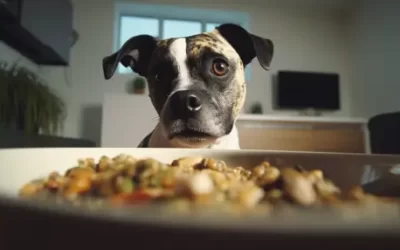
Are you a concerned pet parent wondering about the question can dogs eat chicken and dumplings strips? If so, you’re not alone in your quest for information. Many pet owners, like you, seek guidance on what human foods are safe for their dogs.
Many pet owners, like you, might wonder about the safety of feeding chicken and dumpling strips to their beloved pets. The genuine worry about their health and wanting to provide the best for them is a sentiment I truly understand.
In my years as a veterinary doctor specializing in pet nutrition, I’ve encountered numerous queries regarding dogs’ dietary habits. Curiosity and concern about certain human foods and their compatibility with a dog’s digestive system are common.
This experience, coupled with a deep understanding of veterinary medicine, has equipped me to address the query about chicken and dumpling strips and whether they align with a dog’s nutritional needs.
If you’re seeking a reliable answer to whether dogs can safely consume chicken and dumpling strips, you’re in the right place. In this article, I’ll delve into the intricacies of canine nutrition, drawing from my expertise to provide clarity on this topic.
By the end of this discussion, you’ll have a well-informed perspective and actionable insights to ensure the health and safety of your furry companion.
No, dogs should not eat chicken and dumpling strips. These often contain ingredients like onions, garlic, and spices that can be harmful to dogs. Additionally, the high fat and salt content in such dishes can lead to digestive issues and other health problems in dogs.
- Understanding Canine Nutrition
- Chicken and Dumpling Strips Ingredients and Concerns
- Risks and Dangers of Feeding Chicken and Dumpling Strips to Dogs
- Safe Alternatives to Chicken & Dumpling Strips
- Guidelines for Feeding Human Food to Dogs
- Final Thoughts: Can Dogs Eat Chicken and Dumplings Strips?
- Frequently Asked Questions on Feeding Dogs Chicken and Dumpling Strips?
Understanding Canine Nutrition

Nutritional Requirements for Dogs
When it comes to a dog’s diet, understanding their nutritional needs is crucial for maintaining optimal health. Dogs require a balanced diet consisting of proteins, fats, carbohydrates, vitamins, and minerals.
Proteins play a vital role in muscle development and repair, while fats provide energy and support cell function.
Carbohydrates serve as a source of energy, and vitamins and minerals are essential for overall well-being. These nutrients must be proportionately balanced to meet a dog’s specific breed, age, size, and activity level.
Human Foods that are Safe for Dogs and Those that are Not
Certain human foods are safe and beneficial for dogs when given in moderation. For instance, lean meats like chicken, turkey, or beef (cooked and unseasoned) can be suitable protein sources.
Additionally, vegetables such as carrots, green beans, and broccoli are healthy snacks for most dogs.
However, foods like chocolate, grapes, raisins, onions, garlic, and certain nuts can be toxic to dogs and must be strictly avoided. Moreover, foods high in fat, spices, or preservatives should be given sparingly due to potential digestive issues.
Factors to Consider Before Feeding Human Food to Dogs
Before introducing human food into a dog’s diet, several factors must be taken into account. Firstly, consult with a veterinarian to ensure the chosen foods align with your dog’s specific nutritional requirements and health conditions.
Portion control is vital to prevent overfeeding or nutritional imbalances. Additionally, monitor your dog for any allergic reactions or digestive upset after introducing new foods.
Lastly, always opt for natural, unprocessed, and cooked foods devoid of seasonings or additives when considering sharing human food with your dog.
Chicken and Dumpling Strips Ingredients and Concerns

Chicken and dumpling strips are a popular human food delicacy known for their savory taste and combination of chicken meat and dumplings.
However, while these strips may be appetizing to us, it’s crucial to examine their ingredients and potential risks when considering sharing them with our canine companions.
Ingredients commonly found in chicken and dumpling strips
Typically, chicken and dumpling strips contain several ingredients, including chicken meat, flour, water, vegetable oil, seasonings (such as salt, pepper, and various herbs and spices), and sometimes additives or preservatives for flavor enhancement or extended shelf life.
The chicken is usually breaded or coated before frying or baking, adding to the overall taste and texture of the dish.
Potential risks associated with these ingredients for dogs
While some ingredients in chicken and dumpling strips, like plain chicken meat, might seem safe for dogs, other components can pose risks.
For instance, the seasoning and added spices might contain substances that are harmful to dogs.
Additionally, the high fat content due to frying or excessive oil used in preparation can lead to digestive issues or even pancreatitis in dogs if consumed in large amounts.
Specific health concerns related to dogs consuming such ingredients
The consumption of certain ingredients found in chicken and dumpling strips could lead to various health concerns in dogs.
Common issues include gastrointestinal upset, allergic reactions to certain seasonings or additives, and potential complications arising from the ingestion of high-fat or fried foods.
Dogs may exhibit symptoms such as vomiting, diarrhea, lethargy, or even more severe conditions in cases of ingredient toxicity.
Risks and Dangers of Feeding Chicken and Dumpling Strips to Dogs

Feeding chicken and dumpling strips to dogs might seem harmless or even generous as an occasional treat.
However, it’s essential to understand the potential risks and dangers associated with these human foods when considering their impact on our canine companions’ health.
Digestive issues and potential allergies in dogs
Dogs can experience digestive issues or allergic reactions upon consuming certain ingredients present in chicken and dumpling strips.
The spices, seasonings, or additives used in the preparation might trigger allergic responses in sensitive dogs, leading to symptoms such as itching, skin irritations, or gastrointestinal upset, including vomiting and diarrhea.
Digestive problems often occur when a dog’s system encounters unfamiliar or high-fat foods, disrupting their delicate digestive balance.
High-fat content and its impact on canine health
One of the primary concerns associated with chicken and dumpling strips is their high-fat content. These foods are often fried or cooked in oil, resulting in a significantly elevated fat level.
Excessive fat intake can lead to obesity, pancreatitis, or other serious health issues in dogs. Pancreatitis, in particular, is a painful condition in which the pancreas becomes inflamed, often triggered by high-fat meals, causing symptoms like abdominal pain, vomiting, and lethargy.
Specific ingredients to watch out for and their adverse effects
Certain ingredients commonly found in chicken and dumpling strips may have adverse effects on dogs. For instance, onions, garlic, or excessive salt used in seasoning can be toxic to dogs and cause damage to their red blood cells or lead to sodium imbalances.
Additionally, additives or preservatives might contain chemicals that are harmful to canine health. Monitoring for symptoms like lethargy, gastrointestinal distress, or allergic reactions after ingestion is crucial to identifying potential adverse effects promptly.
Safe Alternatives to Chicken & Dumpling Strips

When considering the safety and nutritional needs of our canine companions, exploring safe alternatives to chicken and dumpling strips becomes essential. Let’s delve into some wholesome options and the benefits they offer for your dog’s well-being.
Safe alternatives to chicken and dumpling strips for dogs
Opting for safe and canine-friendly alternatives is a wise choice when seeking to treat your dog with delicious yet safe options. Cooked, plain chicken pieces without seasoning or coating can serve as a suitable substitute.
Similarly, vegetables like steamed carrots, green beans, or peas make excellent, nutritious treats. Additionally, commercially available dog treats made with high-quality, natural ingredients can be a convenient alternative, ensuring nutritional balance and safety.
Nutritional benefits of safe alternatives for canine health
Safe alternatives not only cater to your dog’s cravings but also offer substantial nutritional benefits. Lean protein sources, like plain chicken provide essential amino acids, promoting muscle strength and repair. Moreover, vegetables offer fiber, vitamins, and minerals crucial for overall health.
These alternatives, when appropriately portioned and integrated into your dog’s diet, contribute to a balanced nutrient intake, supporting their immune system, digestion, and vitality.
Tips for incorporating safe human foods into a dog’s diet
Incorporating safe human foods into your dog’s diet requires careful consideration and moderation. Begin by introducing new foods gradually and in small portions to observe your dog’s reaction. Always prioritize natural, unseasoned, and cooked foods to avoid potential adverse effects.
Consulting with a veterinarian for personalized dietary advice and suitable portion sizes is highly recommended. Additionally, monitoring your dog’s weight, health, and any allergic reactions post-introduction of new foods is crucial for their well-being.
Guidelines for Feeding Human Food to Dogs

Ensuring the safety and health of our canine companions when incorporating human food into their diet demands careful consideration and adherence to specific guidelines. Let’s explore some essential practices to keep in mind when feeding human food to dogs.
Portion control and moderation in feeding human food
Maintaining proper portion sizes and practicing moderation are key elements when offering human food to dogs. Overindulgence or excessive consumption of certain foods can lead to digestive upset or nutritional imbalances.
Always serve human food in small portions, considering your dog’s size, breed, and activity level. Avoid frequent indulgence in rich or high-fat foods and maintain a balanced diet for your dog’s overall well-being.
Monitoring signs of adverse reactions in dogs
Vigilance and awareness of potential adverse reactions are crucial when introducing new human foods to your dog’s diet. Keep a watchful eye for any signs of allergic reactions, such as itching, swelling, or gastrointestinal distress like vomiting and diarrhea.
Additionally, observe changes in behavior, energy levels, or unusual symptoms that might indicate discomfort or adverse effects post-consumption of human food. Prompt identification of adverse reactions allows for timely intervention and appropriate action.
Consulting a veterinarian for dietary advice and concerns
Prior to altering your dog’s diet or introducing new human foods, seeking guidance from a qualified veterinarian is highly recommended. Veterinarians possess specialized knowledge regarding canine nutrition and can offer personalized advice tailored to your dog’s specific needs.
Consulting with a vet helps in understanding dietary requirements, and appropriate portion sizes, and identifying any potential health concerns or contraindications related to feeding human food to your dog, ensuring their optimal health and well-being.
Final Thoughts: Can Dogs Eat Chicken and Dumplings Strips?

Considering the complexities surrounding the dietary choices for our canine companions, addressing the query of whether dogs can safely consume chicken and dumpling strips necessitates a comprehensive overview.
While dogs have individual tolerances, it’s prudent to exercise caution when considering feeding chicken and dumpling strips.
The inclusion of high-fat content, potential allergens in seasonings, and specific ingredients raises concerns about adverse effects on canine health.
Therefore, it’s generally advisable to avoid feeding chicken and dumpling strips to dogs due to the associated risks and potential harm to their well-being.
Throughout this discussion, we’ve explored various facets of canine nutrition, risks associated with specific ingredients in chicken and dumpling strips, and guidelines for responsible feeding practices.
Understanding a dog’s nutritional requirements, recognizing safe alternatives, and monitoring for adverse reactions are vital considerations when contemplating human food in a dog’s diet.
The significance of responsible feeding practices cannot be overstated. Opting for safe alternatives, practicing portion control, and being vigilant for potential adverse reactions play pivotal roles in ensuring a dog’s health and safety.
Making informed choices and consulting a veterinarian when in doubt are fundamental aspects of responsible pet ownership.
Ultimately, our furry companions’ health and well-being must take precedence. As pet owners, prioritizing their health through mindful dietary decisions showcases our commitment to their care.
Choosing nutritionally balanced, canine-friendly foods and being attentive to their needs epitomizes the love and dedication we have for our beloved pets.
Frequently Asked Questions on Feeding Dogs Chicken and Dumpling Strips?