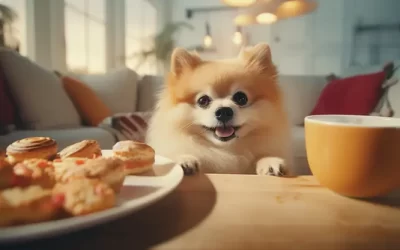
Have You ever wondered and asked yourself this question “Can Dogs Eat Chicken-Flavored Ramen Noodles? “It’s a common worry, and I empathize with the perplexity of navigating the vast sea of information on what dogs can and cannot eat.
Your search reflects a genuine concern for your pet’s well-being, and it’s crucial to find reliable answers amidst the abundance of online advice. As a seasoned veterinary professional with years of experience in the field, I understand the importance of addressing these dietary dilemmas.
Whether dogs can safely consume chicken-flavored ramen noodles is nuanced, and it requires a careful examination of ingredients, nutritional implications, and potential health risks. Drawing on my expertise in veterinary medicine and pet nutrition, I’m here to provide you with a well-informed perspective on this specific query.
So, if you’re seeking clarity on whether chicken-flavored ramen noodles can find a place in your dog’s bowl, you’re in the right place. In the following sections, we’ll delve into the intricacies of canine nutrition, exploring the safety of specific ingredients, and potential health considerations, and offering practical insights.
Read on to discover a comprehensive guide that answers your immediate question and equips you with the knowledge needed to make informed decisions about your dog’s diet. Let’s embark on this journey together for the well-being of your beloved canine companion.
It’s not recommended to feed dogs chicken-flavored ramen noodles, as they often contain high levels of salt, preservatives, and seasonings that can be harmful to dogs. Additionally, the noodles may be difficult for dogs to digest. It’s safer to stick to a balanced and nutritionally appropriate diet for your dog. If you want to offer chicken to your dog, plain, cooked chicken without any added seasonings or spices is a better option. Always consult with your veterinarian before introducing new foods to your dog’s diet.
- Ramen Noodles and Dogs
- Dogs and Human Food Compatibility
- Chicken Flavoring: Is It Safe for Dogs?
- Ramen Noodles and Dogs’ Digestive System
- Can Dogs Eat Plain Ramen Noodles?
- Signs of Allergic Reactions or Discomfort
- Consultation with a Veterinarian
- Homemade Dog-Friendly Noodle Recipes
- Final Thoughts: can dogs eat chicken-flavored ramen noodles
- Frequently Asked Questions
Ramen Noodles and Dogs

Navigating the realm of canine nutrition can be as intricate as untangling a bowl of spaghetti. In this section, we’ll unravel the mysteries surrounding the intersection of dogs and ramen noodles.
From the tantalizing aroma of chicken-flavored goodness to the nutritional complexities within, let’s embark on a journey to understand whether this popular human treat can find a place in our canine companions’ diets.
Ingredients in Chicken-Flavoured Ramen Noodles
Delving into the heart of the matter, let’s scrutinize the ingredients that make up chicken-flavored ramen noodles. In the table below, we break down the components, offering a concise snapshot of what goes into that seemingly simple bowl of noodles.
| Ingredient | Purpose in Noodles |
| Wheat Flour | Main structural component |
| Water | Binding agent |
| Salt | Flavor enhancement and preservation |
| Chicken Flavoring | Artificial or natural, for taste |
| MSG (Monosodium Glutamate) | Flavor enhancer, controversial in pet diets |
Understanding these ingredients is vital to evaluating the potential impact on your dog’s health. The balance between flavor and canine safety is delicate, and we’ll explore this further as we navigate through the intricacies of nutritional value.
Nutritional Value of Ramen Noodles
Moving beyond ingredients, let’s explore the nutritional landscape of ramen noodles. While these noodles are a convenient and quick meal option for humans, how do they stack up in terms of meeting the dietary needs of our furry friends? The table below provides an overview, emphasizing key nutritional aspects that demand attention.
| Nutrient | Content in Ramen Noodles |
| Carbohydrates | High, primarily from wheat flour |
| Protein | Moderate, often lower in quality compared to meat-based sources |
| Fat | Low, but can vary based on preparation |
| Sodium | High, a potential concern for dogs |
| Vitamins and Minerals | Limited, especially in comparison to dog-specific diets |
Understanding the nutritional composition is crucial, especially when considering the unique dietary requirements of dogs. We’ll delve into the implications of these nutritional aspects shortly.
Potential Health Concerns for Dogs
As we navigate the world of ramen noodles and dogs, it’s crucial to address potential health concerns. Dogs, while often eager to indulge in human treats, may not always share the same tolerance for certain ingredients.
High sodium content, artificial flavorings, and the controversial MSG can pose risks to canine health. In moderation, these risks might be minimal, but understanding the impact on dogs is paramount.
In the subsequent sections, we’ll unravel the nuances of these concerns, providing a comprehensive guide to help you make informed decisions about incorporating chicken-flavored ramen noodles into your dog’s diet.
Also Read: can dogs eat chicken alfredo pasta
Dogs and Human Food Compatibility

The bond between humans and their canine companions often extends to shared meals, with curious eyes pleading for a taste of whatever delights the human palate.
While this connection is heartwarming, it sparks important questions about the compatibility of human food, especially processed delights like chicken-flavored ramen noodles, with a dog’s digestive system. Let’s explore the nuances of feeding our furry friends from our plates and bowls.
General Guidelines for Feeding Dogs Human Food
Understanding the fundamentals of feeding dogs human food is the first step in ensuring a harmonious and healthy dining experience. In the table below, we outline general guidelines, offering a quick reference for those moments when Fido gives you those irresistible puppy eyes.
| Food Category | Can Dogs Consume? |
| Lean Meat | Generally yes, but cooked thoroughly |
| Fruits and Vegetables | Yes, but beware of toxic varieties |
| Dairy Products | In moderation, some dogs are lactose intolerant |
| Grains | Yes, but consider gluten sensitivities |
| Processed and Spicy Foods | Limited, avoid high-sodium and spicy items |
| Chocolate and Caffeine | Strictly avoid, toxic to dogs |
These guidelines provide a foundation for understanding what human foods are generally safe for dogs. However, when it comes to processed foods like ramen noodles, specific considerations come into play.
Considerations for Processed Foods like Ramen Noodles
Processed foods, often a staple in human diets, introduce a layer of complexity when shared with our canine friends. Here are some specific considerations to keep in mind when contemplating the inclusion of chicken-flavored ramen noodles in your dog’s diet:
- High Sodium Content: Processed foods, including ramen noodles, can be laden with sodium. Dogs are sensitive to excessive salt intake, and high sodium levels can lead to health issues, including increased thirst and potential sodium ion poisoning.
- Artificial Flavourings: While humans may Savor the taste of artificial flavorings, these can be a red flag for dogs. Some artificial additives may not sit well with canine digestive systems, potentially causing gastrointestinal distress.
- MSG (Monosodium Glutamate): A common ingredient in many processed foods, MSG can be controversial in canine nutrition. Sensitivities may vary among dogs, and it’s advisable to err on the side of caution.
Impact of Flavourings on Dog Health
Flavorings play a significant role in enticing our taste buds, but their impact on canine health warrants careful consideration. Dogs may not share our appreciation for certain flavor enhancers, and their bodies may react differently.
In the subsequent sections, we’ll delve deeper into the specific implications of flavorings on dog health, providing insights and guidance for those contemplating sharing their ramen noodle bowl with their four-legged friends.
Also Read: can dogs eat air fried chicken
Chicken Flavoring: Is It Safe for Dogs?

The allure of chicken flavoring in our own culinary experiences often extends to our pets, who express boundless enthusiasm for anything that carries the scent of this savory delight.
In this section, we dissect the safety of chicken flavoring, aiming to answer the pivotal question: Can dogs indulge in the flavorful world of chicken-flavored ramen noodles without compromising their well-being?
Analysis of Common Ingredients in Chicken Flavoring
To demystify the complexities of chicken flavoring, let’s undertake a detailed analysis of the common ingredients found in these delectable additions. The table below offers a comprehensive breakdown, shedding light on the components that contribute to the irresistible taste of chicken-flavored delights.
| Ingredient | Purpose in Chicken Flavoring |
| Chicken Extract | Authentic chicken taste |
| Yeast Extract | Enhances umami flavor |
| Salt | Flavor enhancement and preservation |
| Sugar or Sweeteners | Balances savory with a hint of sweetness |
| Natural or Artificial Flavors | Mimics chicken taste |
Understanding these components is crucial in evaluating the safety of chicken flavoring for dogs. While some ingredients may pose minimal risk, others demand cautious consideration.
Potential Allergens and Sensitivities
Despite the delectable nature of chicken flavoring, potential allergens, and sensitivities can lurk beneath the surface. Dogs, like humans, can exhibit adverse reactions to certain ingredients. It’s essential to be mindful of potential allergens such as chicken protein, gluten, or additives.
Observing your dog for any signs of allergies, including itching, gastrointestinal issues, or changes in behavior, can provide valuable insights into their tolerance for specific flavorings.
Veterinarian Insights on Chicken Flavoring for Dogs
Seeking professional guidance is paramount when navigating the realm of canine nutrition. Veterinarians, with their wealth of knowledge and experience, offer invaluable insights into the safety of chicken flavoring for dogs.
They can provide tailored advice based on your dog’s unique health profile, considering factors such as age, breed, and any existing medical conditions. As we progress, we’ll delve into the expert perspectives that can guide you in making informed decisions regarding the inclusion of chicken-flavored elements in your dog’s diet.
Also Read: can dogs eat rotisserie chicken bones
Ramen Noodles and Dogs’ Digestive System

Our furry companions, with their endearing eagerness to share in our meals, prompt us to ponder the intricacies of their digestive systems.
As we explore the compatibility of ramen noodles with dogs, understanding how our canine friends process different types of foods becomes pivotal. Join me on this journey as we unravel the mysteries of dogs’ digestive systems and the potential impact of indulging in the world of ramen noodles.
How Dogs Digest Different Types of Foods
Dogs boast diverse tastes, from the savory notes of meat to the crispness of vegetables, yet their digestive systems have specific preferences. In this list, we’ll explore how dogs typically digest various types of foods:
- Protein: Broken down in the stomach with the help of digestive enzymes.
- Carbohydrates: Processed through enzymatic action, starting in the mouth and continuing in the stomach and small intestine.
- Fats: Emulsified in the small intestine, where bile aids in their digestion.
- Fiber: Essential for digestive health, fiber moves through the digestive tract without being fully absorbed, promoting regular bowel movements.
Understanding these digestion processes lays the foundation for evaluating the impact of specific food items, such as ramen noodles, on your dog’s digestive health.
Risks of High Sodium and Seasonings
As we delve into the canine digestive system, the risks associated with high sodium and seasonings in foods like ramen noodles come to the forefront. In this list, we outline the potential risks that these elements pose to your dog’s digestive well-being:
- Dehydration: Excessive sodium intake can lead to increased thirst, potentially resulting in dehydration if water consumption is inadequate.
- Electrolyte Imbalance: High sodium levels can disrupt the balance of electrolytes in your dog’s body, affecting various physiological functions.
- Gastrointestinal Distress: Seasonings and additives, common in processed foods, may cause stomach upset, vomiting, or diarrhea in some dogs.
Understanding these risks empowers dog owners to make informed decisions about including ramen noodles in their pet’s diet.
Impact of Processed Ingredients on Dogs’ Digestive Health
The canine digestive system, while resilient, may face challenges when exposed to processed ingredients. Processed foods often contain additives and preservatives that can affect dogs differently than they do humans.
In the following paragraphs, we’ll delve deeper into the specific impact of these processed ingredients, shedding light on how they can influence your dog’s digestive health and overall well-being.
Also Read: can dogs eat out-of-date Chicken if cooked
Can Dogs Eat Plain Ramen Noodles?

The simplicity of plain ramen noodles may tempt dog owners to seek a convenient and seemingly harmless treat for their furry companions. In this section, we’ll unravel the nuances of whether plain ramen noodles can find a place in your dog’s diet.
Let’s explore the basic ingredients, weigh the risks and benefits of unseasoned noodles, and discover alternative noodle options that may align more closely with your dog’s nutritional needs.
Examining the Basic Ingredients
To make an informed decision about feeding plain ramen noodles to your dog, it’s crucial to understand the foundational components. The table below breaks down the basic ingredients, providing insight into what constitutes these unadorned noodles.
| Ingredient | Purpose in Plain Ramen Noodles |
| Wheat Flour | Primary structural component |
| Water | Binding agent |
| Salt (Optional) | Minimal seasoning, if any |
Understanding these basic ingredients forms the basis for evaluating the nutritional profile and potential impact on your dog’s health.
Risks and Benefits of Unseasoned Noodles
Considering the unseasoned nature of plain ramen noodles, there are both risks and potential benefits associated with introducing them into your dog’s diet. In this list, we’ll explore these aspects:
- Risks:
- Gluten Sensitivities: Some dogs may be sensitive to gluten in wheat flour, leading to digestive issues.
- Caloric Density: Noodles are calorie-dense, and excessive consumption can contribute to weight gain.
- Benefits:
- Source of Carbohydrates: Provides a simple source of carbohydrates for energy.
- Ease of Digestion: Unseasoned noodles are less likely to contain ingredients that could upset your dog’s stomach.
Understanding these factors allows you to make an informed decision based on your dog’s individual needs and health considerations.
Alternative Noodle Options for Dogs
If the idea of plain ramen noodles doesn’t quite align with your dog’s dietary needs, consider alternative noodle options that offer a balance of nutrition and palatability. The table below introduces alternative noodle options tailored to meet your dog’s taste preferences and nutritional requirements.
| Noodle Type | Key Ingredients | Suitable for Dogs? |
| Brown Rice Noodles | Brown rice flour, water | Yes |
| Sweet Potato Noodles | Sweet potato starch, water | Yes, in moderation |
| Whole Wheat Noodles | Whole wheat flour, water | Yes, for some dogs |
These alternatives provide variety while addressing specific dietary considerations for your dog. As we navigate through the intricacies of canine nutrition, exploring these options will guide you toward choices that align with your pet’s health and happiness.
Also Read: Can Dogs Eat Chicken Egg Rolls
Signs of Allergic Reactions or Discomfort

As vigilant pet owners, being attuned to the subtle cues and signals our dogs provide is paramount, especially when introducing new elements like chicken-flavored ramen noodles into their diets.
In this section, we’ll delve into the signs that may indicate allergic reactions or discomfort in your canine companion. By understanding these symptoms and knowing the immediate actions to take, you can ensure the well-being of your cherished four-legged friend.
Symptoms of Allergies in Dogs
Allergies in dogs can manifest in various ways, and it’s crucial to recognize these symptoms promptly. The table below outlines common signs of allergies in dogs that may be indicative of adverse reactions to certain ingredients, including those found in chicken-flavored ramen noodles.
| Symptom | Description |
| Itching and Scratching | Excessive scratching or biting at the skin |
| Red or Irritated Skin | Inflammation or redness on the skin |
| Swelling | Swollen face, muzzle, or limbs |
| Gastrointestinal Issues | Vomiting, diarrhea, or changes in bowel habits |
| Respiratory Distress | Wheezing, coughing, or difficulty breathing |
Recognizing these symptoms early on allows for timely intervention, ensuring your dog receives the care needed to address potential allergic reactions.
Actions to Take in Case of Adverse Reactions
If you observe any of the aforementioned signs or suspect that your dog is experiencing discomfort after consuming chicken-flavored ramen noodles, swift action is crucial. Here are immediate actions to take:
- Cease Feeding: Discontinue any further consumption of the suspected food item, in this case, the ramen noodles.
- Contact Your Veterinarian: Reach out to your veterinarian promptly, providing details about the symptoms observed and the timeframe of consumption.
- Monitor Vital Signs: Keep a close eye on your dog’s vital signs, including heart rate, breathing, and overall behavior.
- Offer Water: Ensure your dog has access to fresh water to stay hydrated, especially if vomiting or diarrhea is present.
By taking these immediate actions, you contribute to your dog’s well-being and facilitate a rapid response to any potential adverse reactions. Remember, your veterinarian is your best ally in navigating such situations, offering guidance tailored to your dog’s specific needs.
Also Read: can dogs eat chicken and dumplings
Consultation with a Veterinarian

Embarking on the journey of determining the suitability of chicken-flavored ramen noodles for your dog’s diet necessitates not only a wealth of information but also the invaluable guidance of a veterinary professional.
In this section, we’ll underscore the importance of seeking professional advice, explore recommended dog diets and treats, and delve into the customized approaches that veterinarians can offer based on the unique characteristics of individual dogs.
Importance of Professional Guidance
Navigating the nuances of canine nutrition requires expertise, and veterinarians play a pivotal role in providing professional guidance. Here are key reasons why consulting with a veterinarian is crucial:
- Health Assessment: Veterinarians can conduct a thorough health assessment of your dog, considering factors such as age, breed, existing health conditions, and dietary requirements.
- Nutritional Expertise: With a deep understanding of canine nutrition, veterinarians can recommend diets that meet your dog’s specific nutritional needs.
- Allergy and Sensitivity Identification: Professionals can help identify potential allergies or sensitivities in your dog, guiding you away from ingredients that may cause adverse reactions.
- Weight Management: Veterinarians can offer advice on maintaining a healthy weight for your dog, and preventing issues associated with overconsumption or nutritional imbalances.
Recommended Dog Diets and Treats
In the realm of dog diets and treats, veterinarians often advocate for balanced and nutritionally sound options. Consider the following recommendations:
- High-Quality Dog Food: Opt for well-balanced commercial dog food that meets the nutritional standards set by veterinary organizations.
- Natural Treats: Include natural treats such as fresh fruits, vegetables, or specific dog treats recommended by your veterinarian.
- Avoid Processed Human Foods: Limit the inclusion of processed human foods, as they may contain ingredients that are not suitable for canine consumption.
Customized Approaches Based on Individual Dogs
Understanding that every dog is unique, veterinarians can tailor their advice to the specific characteristics and needs of individual dogs. This personalized approach ensures that dietary recommendations align with factors such as:
- Age: Puppies, adults, and senior dogs have varying nutritional requirements.
- Health Conditions: Dogs with specific health conditions may require specialized diets to manage their well-being.
- Breed and Size: Different breeds and sizes may have distinct nutritional needs, which veterinarians can address in their recommendations.
By consulting with a veterinarian, you gain access to a wealth of knowledge and expertise, enabling you to make informed decisions that promote the optimal health and happiness of your furry friend.
Also Read: can dogs eat chick fil a sauce
Homemade Dog-Friendly Noodle Recipes
For dog owners seeking a more hands-on approach to their pet’s diet, crafting homemade dog-friendly noodle recipes can be a rewarding endeavor.
In this section, we’ll explore safe ingredients for dog consumption, guide on preparing noodles at home for dogs, and emphasize the importance of balancing nutrition with palatability to create wholesome and enjoyable meals for your canine companion.
Safe Ingredients for Dog Consumption
Ensuring the safety of ingredients is paramount when preparing homemade noodle recipes for dogs. The table below outlines safe ingredients that can be incorporated into dog-friendly noodle dishes, considering both nutritional value and canine palatability.
| Ingredient | Purpose in Dog-Friendly Noodles |
| Whole Wheat Flour | Provides a source of carbohydrates |
| Brown Rice Flour | Gluten-free option for sensitive dogs |
| Sweet Potato Puree | Adds natural sweetness and nutrients |
| Lean Cooked Meat | High-quality protein source |
| Carrot Strips | Provides vitamins and a crunchy texture |
| Peas | Adds fiber and a burst of flavor |
| Plain Yogurt | Offers probiotics for digestive health |
| Parsley | Freshens breath and adds a hint of flavor |
These ingredients not only contribute to the nutritional profile of the homemade noodles but also enhance the overall appeal for your dog.
Preparing Noodles at Home for Dogs
Creating homemade noodles for dogs involves a straightforward process, as outlined in the table below. The focus is on simplicity, using minimal ingredients to ensure both nutritional value and digestibility.
| Step | Instructions |
| 1. Choose Base Flour | Select whole wheat or brown rice flour based on your dog’s preferences and dietary needs. |
| 2. Add Liquid | Incorporate water or low-sodium broth to form a dough-like consistency. |
| 3. Mix and Knead | Combine ingredients and knead the dough until it reaches a smooth texture. |
| 4. Roll and Cut | Roll out the dough and cut it into noodle shapes or use a cookie cutter for added fun. |
| 5. Cook and Serve | Cook the noodles until done and serve them to your dog in moderation. |
Customizing the noodle-making process allows you to tailor the recipe to your dog’s preferences and dietary requirements.
Balancing Nutrition and Palatability
When crafting homemade noodle recipes for dogs, it’s essential to strike a balance between nutrition and palatability. While ensuring that the ingredients meet your dog’s nutritional needs, consider their taste preferences.
Experimenting with different combinations of safe and appealing ingredients can result in a homemade noodle dish that not only delights your dog’s taste buds but also contributes to their overall well-being.
Also Read: Can Dogs Eat Buffalo Chicken
Final Thoughts: can dogs eat chicken-flavored ramen noodles
As we near the end of our exploration into the world of dogs and the tempting realm of chicken-flavored ramen noodles, it’s crucial to distill the key insights gathered throughout this comprehensive guide.
In this final section, we’ll recap the essential points, underscore the importance of making informed choices, and advocate for responsible treatment choices that prioritize the well-being of our beloved canine companions.
Recap of Key Points
Let’s revisit the critical points that have been uncovered in our journey:
- Ingredients Matter: The ingredients in chicken-flavored ramen noodles can vary, and it’s essential to scrutinize them for potential risks to your dog’s health.
- Processed Foods Pose Challenges: Processed ingredients, high sodium content, and artificial flavorings in ramen noodles may present risks to dogs, necessitating caution.
- Individual Variability: Dogs, like humans, exhibit individual variability in tolerating certain foods. Observing your dog for signs of allergies or discomfort is crucial.
- Consulting a Veterinarian: Seeking professional advice from a veterinarian is paramount, offering tailored insights into your dog’s unique nutritional needs and potential sensitivities.
- Homemade Alternatives: Crafting homemade dog-friendly noodle recipes provides an opportunity to ensure safe and nutritious treats for your dog.
Emphasizing Informed Choices
The world of canine nutrition is diverse and complex, and making informed choices is the cornerstone of responsible pet ownership. By staying informed about the potential risks and benefits of feeding certain foods, including chicken-flavored ramen noodles, you empower yourself to make decisions that prioritize your dog’s health and happiness.
Responsible Treat Choices
In the realm of treat choices for dogs, responsibility reigns supreme. Opting for treats that align with your dog’s dietary needs, consulting with a veterinarian for guidance, and even exploring homemade alternatives are all steps toward fostering a diet that supports your dog’s overall well-being. As you navigate the tempting landscape of canine treats, remember that the choices you make play a crucial role in promoting a healthy and fulfilling life for your cherished pet.
In concluding our exploration, let’s commit to approaching our dogs’ diets with the same care and consideration we give to our own. After all, a well-nourished and content canine companion is a true testament to the love and dedication we share with our furry friends.
Also Read: Can Dogs Eat Jerk Chicken