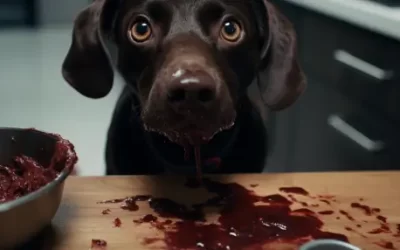
Pet ownership is a journey filled with joy, companionship, and a constant quest to ensure the well-being of our beloved dogs. If you’ve found yourself pondering the question “Can Dogs Eat Chili Cheese Fries?” you’re likely navigating the delicate balance of treating your furry friend while being vigilant about their health.
The journey of responsible pet ownership often involves navigating through a sea of information, and I’m here to provide you with a reliable answer rooted in expertise. Your dog’s well-being is paramount, and I’m here to guide you through the nuances of whether Chili Cheese Fries can be a part of their diet.
If you’re seeking a definitive answer to whether dogs can safely consume Chili Cheese Fries, you’re in the right place. This article will delve into the components of this popular human indulgence, exploring the potential risks and benefits for your furry friend.
I’ll provide expert insights, practical guidance, and alternatives to ensure you make informed decisions about your dog’s diet. Read on to discover the secrets behind sharing treats with your canine companion while prioritizing their health and happiness.
No, dogs should not eat chili cheese fries. These foods are high in fat, salt, and spices, which can lead to digestive issues, pancreatitis, and obesity in dogs. Additionally, the dairy in cheese and the ingredients in chili may not be well-tolerated by dogs, causing discomfort and potential health risks
- Understanding Canine Dietary Needs
- Components of Chili Cheese Fries
- Specific Risks and Dangers
- The Role of Spices and Seasonings
- Fats and Oils in Chili Cheese Fries
- Cheese and Dairy Products
- Best Practices for Treating Dogs
- Final Thoughts: Can Dogs Eat Chili Cheese Fries?
- Frequently Asked Quention on Feeding Dogs Chili Cheese Fries?
Understanding Canine Dietary Needs

Ensuring the well-being of our canine companions involves a keen understanding of their dietary needs. As a seasoned veterinary professional, I’m committed to providing comprehensive insights into the nutritional aspects crucial for the health of your furry friends.
Dog’s Nutritional Requirements
Dogs, like humans, require a balanced and nutritious diet to thrive. Their nutritional needs encompass a blend of proteins, fats, carbohydrates, vitamins, and minerals. Proteins are particularly vital for muscle development, while fats provide energy and support skin and coat health.
Carbohydrates serve as an additional energy source, and an array of vitamins and minerals contribute to overall well-being.
Understanding the specific dietary requirements of dogs is paramount. Puppies, adults, and seniors have distinct nutritional needs, necessitating adjustments in feeding routines as they age. High-quality commercial dog food often caters to these diverse needs, offering a convenient and well-formulated solution for pet owners.
Differences Between Human and Canine Digestive Systems
While dogs and humans share some similarities in their digestive processes, notable differences exist. Dogs have a shorter digestive tract, emphasizing the need for easily digestible foods.
Their stomach acidity is also higher, allowing them to break down raw meats and bones more efficiently. However, certain human foods that are harmless to us can pose risks to dogs due to these variations.
As a veterinary expert, I must highlight the importance of recognizing these distinctions. Dogs lack certain enzymes crucial for breaking down certain foods, making it imperative to tailor their diets to their unique digestive capabilities.
This distinction is particularly relevant when considering sharing human foods with our four-legged companions.
Common Human Foods That Can Be Harmful to Dogs
Understanding the potential dangers of common human foods is vital for responsible pet ownership. While chili cheese fries fall into the category of foods that should be avoided, it’s crucial to recognize other culprits as well.
Onions and garlic, for instance, can cause toxicity in dogs, leading to anemia. Chocolate contains theobromine, which is toxic to dogs and can lead to severe health issues.
Furthermore, foods high in salt, like processed and salty snacks, can contribute to sodium ion poisoning. Grapes and raisins are known to cause kidney failure in dogs, emphasizing the need for vigilance in snack choices.
As a veterinary professional, my duty is to impart this knowledge to pet owners, enabling them to make informed decisions about their dogs’ diets.
Also Read: Can dogs eat vegan cheese?
Components of Chili Cheese Fries

As we delve into the question of whether dogs can safely consume chili cheese fries, it is essential to dissect the components of this popular human indulgence.
Drawing on my extensive veterinary experience, I’ll guide you through the breakdown of ingredients, potential hazards for dogs, and nutritional considerations associated with chili cheese fries.
Breakdown of Ingredients in Chili Cheese Fries
Chili cheese fries are a tempting combination of crispy fries topped with a savory chili sauce and a generous layer of melted cheese. To understand the impact on our canine companions, let’s dissect each component:
- Fries: Primarily composed of potatoes, these are often deep-fried. While plain, cooked potatoes can be a part of a dog’s diet in moderation, the frying process introduces added fats and salts that may not align with their nutritional needs.
- Chili Sauce: Typically made with ingredients like tomatoes, ground meat, and various spices, chili sauce can be problematic for dogs. The spices and seasonings, which may include onions and garlic, can be irritating to their digestive systems.
- Cheese: While dogs can tolerate some dairy products, excessive consumption of cheese, especially high-fat varieties like those often found on chili cheese fries, can lead to digestive upset and contribute to obesity.
Identification of Potential Hazards for Dogs
Understanding the potential hazards associated with chili cheese fries is crucial for responsible pet ownership. The combination of salty fries, spicy chili sauce, and fatty cheese can pose various risks:
- Excessive Fats: High-fat content in the cheese and fried components can lead to pancreatitis in dogs, a painful and potentially life-threatening condition.
- Sodium Content: The salt content in both the fries and cheese can contribute to sodium ion poisoning, leading to symptoms like vomiting, diarrhea, and in severe cases, seizures.
- Spices and Seasonings: Dogs have a more sensitive digestive system than humans, and the spices and seasonings in chili sauce can cause gastrointestinal irritation or allergic reactions.
Nutritional Aspects and Concerns
From a nutritional standpoint, chili cheese fries lack the balance and essential nutrients required for a dog’s well-being. Dogs thrive on a diet rich in protein, balanced fats, and appropriate carbohydrates.
The unregulated nature of human food, particularly fast food items like chili cheese fries, makes it challenging to ensure nutritional adequacy for our pets.
Also Read: Can dogs eat truffle cheese?
Specific Risks and Dangers

As a vigilant pet owner, understanding the specific risks and dangers associated with feeding chili cheese fries to dogs is paramount. In this segment, we’ll delve into the harmful ingredients, the impact of excessive fats, salts, and spices on canine health, and the potential gastrointestinal issues and allergic reactions that may arise.
Harmful Ingredients in Chili Cheese Fries for Dogs
Chili cheese fries may seem innocuous, but a closer look at their ingredients reveals potential dangers for our four-legged friends:
- Onions and Garlic: Commonly used in chili sauce, these ingredients can cause oxidative damage to a dog’s red blood cells, leading to anemia.
- Spices and Seasonings: The flavorful spices that make chili cheese fries tempting for us can be harsh on a dog’s digestive system. Dogs lack certain enzymes to process these spices, making them prone to gastrointestinal discomfort.
- High-Fat Cheese: While dogs can tolerate small amounts of cheese, the high-fat content in the cheese commonly used on chili cheese fries may lead to obesity and pancreatitis.
Impact of Excessive Fats, Salts, and Spices on Canine Health
Understanding the effects of specific components is crucial for responsible pet care:
- Excessive Fats: The fat content in chili cheese fries can overwhelm a dog’s digestive system, leading to pancreatitis—an inflammatory condition that requires immediate veterinary attention.
- Sodium Overload: Dogs have a lower tolerance for sodium than humans. Excessive salt intake can result in sodium ion poisoning, causing symptoms like increased thirst, vomiting, diarrhea, and, in severe cases, seizures.
- Digestive Sensitivity: The combination of spices and rich ingredients can trigger gastrointestinal issues in dogs. Upset stomach, diarrhea, and discomfort are common consequences of consuming foods with high spice content.
Potential Gastrointestinal Issues and Allergic Reactions
The delicate balance of a dog’s digestive system can be disrupted by the consumption of inappropriate foods:
- Gastrointestinal Upset: The rich and spicy nature of chili cheese fries can lead to gastrointestinal upset, manifesting as vomiting, diarrhea, or abdominal pain in dogs.
- Allergic Reactions: Dogs, like humans, can have allergic reactions to certain foods. Ingredients such as spices, dairy, or even the oil used for frying can trigger allergic responses, ranging from mild itchiness to severe anaphylaxis.
Also Read: Can dogs eat spray cheese?
The Role of Spices and Seasonings

Delving into the complexities of whether dogs can consume chili cheese fries, we turn our attention to the often underestimated but crucial aspect—the role of spices and seasonings.
As a seasoned veterinary professional, I’ll guide you through an examination of specific spices commonly used in chili cheese fries, discuss how these spices may affect dogs differently than humans, and highlight potential sensitivities or allergies that warrant our careful consideration.
Specific Spices Commonly Used in Chili Cheese Fries
- Cayenne Pepper: A staple in chili sauce, cayenne pepper is known for its spiciness. Dogs, however, lack the receptors that humans have for capsaicin, the active component in peppers. This means that while your furry friend won’t experience the same level of heat, the irritation to their digestive system can still occur.
- Garlic Powder: Often present in spice blends for chili, garlic powder can be harmful to dogs. Even small amounts can cause oxidative damage to red blood cells, leading to anemia.
- Onion Powder: Like garlic, onion powder is a common addition to spice mixes. Onions contain compounds that are toxic to dogs, and even small amounts can lead to adverse effects.
Discussion on How Spices May Affect Dogs Differently Than Humans
Understanding the unique physiology of dogs is crucial when evaluating the impact of spices:
- Digestive Sensitivity: Dogs have a shorter digestive tract than humans, making them less efficient at breaking down complex substances. Spices can lead to gastrointestinal upset, causing discomfort and potential long-term issues.
- Lack of Certain Enzymes: Dogs lack certain enzymes, including amylase in their saliva, making the breakdown of starches more challenging. Spices, often combined with starchy elements in fries, can pose digestion challenges.
Potential Sensitivities or Allergies
- Allergic Reactions: Dogs, like humans, can develop allergies to specific spices or seasonings. Allergic reactions can range from mild symptoms like itchiness and hives to severe manifestations such as difficulty breathing or anaphylaxis.
- Individual Variability: Each dog is unique, and their sensitivity to spices may vary. Observing any signs of discomfort, digestive upset, or allergic reactions is crucial for responsible pet ownership.
Also Read: Can dogs eat cheese rind?
Fats and Oils in Chili Cheese Fries

The allure of chili cheese fries lies not just in the flavorful toppings but also in the indulgent fats and oils that make them irresistible.
In this segment, we’ll explore the impact of high-fat content on dogs, potential links to serious health conditions such as pancreatitis and obesity, and conduct a comparative analysis of canine and human fat tolerance.
As a dedicated veterinary professional, my goal is to shed light on the nuanced relationship between fats and our canine companions’ well-being.
Explanation of the Impact of High-Fat Content on Dogs
- Digestive Challenges: Dogs have a different digestive system than humans, and while they require a certain amount of fat in their diet, excessive fat can pose significant challenges. High-fat foods like those found in chili cheese fries can lead to digestive upset in dogs.
- Pancreatic Strain: The pancreas plays a crucial role in digesting fats. When dogs consume high levels of fat, it can lead to inflammation of the pancreas, a condition known as pancreatitis. This can result in severe abdominal pain, vomiting, and potentially life-threatening consequences.
Potential Links to Pancreatitis and Obesity
- Pancreatitis in Dogs: The rich and greasy nature of chili cheese fries can trigger acute pancreatitis in dogs. This inflammatory condition not only causes immediate discomfort but can also have long-term implications for a dog’s digestive health.
- Obesity Concerns: Regular consumption of high-fat foods contributes to obesity in dogs. Obesity is a serious health issue that can lead to a range of secondary problems, including joint issues, diabetes, and a reduced lifespan.
Comparative Analysis of Canine and Human Fat Tolerance
- Differing Nutritional Needs: While both humans and dogs require some fat in their diets, the proportions and types of fats differ. Dogs, as carnivores, have specific dietary requirements that may not align with the excessive fats often present in human indulgences like chili cheese fries.
- Limited Fat Tolerance: Dogs have a lower tolerance for certain types of fats, especially those that are heavily processed or fried. This is in stark contrast to human diets, where a variety of fats may be consumed more safely.
Also Read: Can Dogs Eat asiago cheese?
Cheese and Dairy Products

Cheese, with its rich and creamy allure, is a common indulgence for many. However, when it comes to our canine companions, questions arise about the suitability of cheese and other dairy products in their diets.
In this segment, I’ll provide an overview of lactose intolerance in dogs, initiate a discussion on the potential risks and benefits of cheese for dogs, and suggest recommended alternatives for a canine-friendly diet.
Drawing on my extensive veterinary experience, my aim is to navigate the nuanced landscape of dairy consumption for our furry friends.
Overview of Lactose Intolerance in Dogs
- Natural Lactose Intolerance: Most mammals, including dogs, are born with the ability to digest their mother’s milk. However, as they grow, many lose the ability to produce lactase, the enzyme required to break down lactose.
- Lactase Deficiency in Adulthood: A significant portion of adult dogs becomes lactose intolerant, meaning they lack the enzyme needed to digest lactose effectively. This can lead to gastrointestinal upset, including diarrhea and abdominal discomfort.
Potential Risks and Benefits of Cheese for Dogs
- Benefits of Cheese: Despite the potential pitfalls, cheese can offer some nutritional benefits for dogs. It is a good source of protein and contains essential nutrients like calcium and phosphorus, which contribute to bone health.
- Risks of Cheese Consumption: The fat content in cheese must be carefully considered, especially for dogs prone to obesity or pancreatitis. Additionally, the potential for lactose intolerance poses digestive challenges, requiring pet owners to be vigilant about the quantities provided.
Alternatives for a Canine-Friendly Diet
- Low-Lactose and Lactose-Free Options: Some dogs can tolerate certain types of cheese with lower lactose levels, such as hard cheeses like cheddar. Additionally, lactose-free cheese products are available as alternatives.
- Non-Dairy Treats: To mitigate the risks associated with dairy, pet owners can explore non-dairy treats that offer similar textures and flavors. These may include dog-friendly biscuits, fruits, or vegetables.
Also Read: Can Dogs Eat nacho cheese?
Best Practices for Treating Dogs
Treating our dogs is a joyous part of the human-canine bond, but it comes with responsibilities.
In this segment, I’ll share best practices for offering safe and healthy treats to your furry companions. Additionally, I’ll provide tips for recognizing signs of discomfort or illness, emphasizing the crucial importance of consulting with a veterinarian for dietary advice.
Drawing upon my extensive veterinary experience, my goal is to empower pet owners to navigate treat-giving with a focus on their dogs’ well-being.
Guidance on Offering Safe and Healthy Treats
- Choose Dog-Friendly Treats: Opt for treats specifically designed for dogs. These treats are formulated to meet their nutritional needs and are often free from harmful additives present in some human foods.
- Consider Nutritional Value: Treats can contribute to a dog’s overall daily calorie intake. Select treats that offer nutritional value, such as those containing protein, vitamins, and minerals.
- Mind the Size: Treats should be appropriately sized, especially for smaller breeds. Avoid giving treats that are too large, as they can pose a choking hazard.
Tips for Recognizing Signs of Discomfort or Illness in Dogs
- Changes in Behavior: Pay attention to any sudden changes in behavior, such as lethargy, withdrawal, or uncharacteristic aggression. These may indicate underlying health issues.
- Digestive Upset: Keep an eye on your dog’s digestive habits. Persistent diarrhea, vomiting, or constipation can signal digestive issues that require attention.
- Allergic Reactions: Watch for signs of allergies, including itching, redness, or swelling. Allergic reactions to certain treats or foods should be addressed promptly.
Importance of Consulting with a Veterinarian for Dietary Advice
- Individualized Dietary Plans: Dogs have unique dietary needs based on factors like breed, age, and health conditions. Veterinarians can provide personalized dietary advice tailored to your dog’s specific requirements.
- Preventing Health Issues: Regular veterinary consultations help prevent and address potential health issues related to diet. This proactive approach ensures that any dietary adjustments are made in a timely manner.
- Professional Guidance: Veterinarians can recommend suitable treats based on your dog’s health status. This guidance is particularly crucial for dogs with specific dietary restrictions or those managing chronic conditions.
Also Read: Can Dogs Eat pimento cheese?
Final Thoughts: Can Dogs Eat Chili Cheese Fries?

Dogs should not eat chili cheese fries. These foods are high in fat, salt, and spices, which can lead to digestive upset, obesity, and other health issues in dogs.
Additionally, the ingredients in chili cheese fries, such as onions and garlic, are toxic to dogs. It’s crucial to prioritize a balanced and dog-friendly diet to ensure their well-being.
Throughout this exploration, we’ve delved into the nuances of canine dietary needs, the components and risks associated with chili cheese fries, the role of spices and seasonings, the impact of fats and oils, considerations around cheese and dairy products, and best practices for treating dogs.
At the core of this discussion lies the principle of responsible pet ownership. Beyond the joy of treating our dogs, it’s crucial to be mindful of the choices we make regarding their diets.
Understanding the unique nutritional requirements, digestive sensitivities, and potential health hazards allows us to make informed decisions that contribute to our pets’ overall well-being.
As dog owners, the responsibility to make informed decisions about our pets’ diets rests in our hands. This journey through the complexities of canine nutrition serves as a guide, empowering us to prioritize our furry companions’ health.
While the temptation to share our meals, such as chili cheese fries, with our dogs is understandable, it’s the responsibility of informed decision-making that truly showcases our commitment to their welfare.