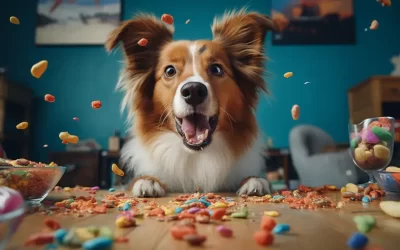
Are you a caring pet owner, anxiously typing into your search bar, “Can Dogs Eat Horse Treats?” The journey of deciphering the compatibility between equine delights and our canine companions can be a perplexing one.
As a seasoned veterinary professional with years of experience in the field, I understand the intricacies of pet nutrition and the delicate balance required for optimal health. The answer to whether dogs can consume horse treats lies not just in the ingredients but in a nuanced understanding of their specific nutritional needs.
With the expertise gleaned from years in veterinary medicine, I am here to guide you through this query, providing insights that transcend the surface, delving into the complexities of horse treats and their potential impact on our beloved dogs.
So, if you’re seeking a solution to the question that brought you here, rest assured that you’re in capable hands.
Dogs can eat horse treats in moderation, but it’s important to check the ingredients. Some horse treats may contain elements like molasses or certain grains that are safe for horses but may not be ideal for dogs. Always consult with your veterinarian.
Understanding Horse Treats

Horse treats, often enticing with their variety and flavors, may raise questions for dog owners pondering whether these equine delights are suitable for their canine companions.
Let’s delve into the intricacies of horse treats, exploring their composition and the potential impact on the health of our four-legged friends.
Composition of Typical Horse Treats
Horse treats come in a diverse array of shapes, sizes, and ingredients, ranging from crunchy pellets to molasses-infused delicacies.
They are often crafted with a combination of grains, fruits, and vegetables, providing horses with a tasty reward during training or as a gesture of affection.
These treats may incorporate elements like oats, barley, apples, carrots, or molasses. The composition, while enticing for horses, raises concerns when considering sharing them with dogs.
Ingredients and Their Potential Impact on Canine Health
Understanding the key ingredients of horse treats is pivotal in evaluating their suitability for dogs. While some ingredients like oats and carrots may offer nutritional value, others, such as certain grains or sugars, could pose potential risks to canine health.
Grains heavy in starch might be challenging for some dogs to digest, and excessive sugars could contribute to weight gain and dental issues.
It’s crucial for dog owners to be aware of these ingredients and their implications before offering horse treats to their furry companions.
Nutritional Elements that May be Beneficial or Harmful to Dogs
Horse treats, by their nature, are designed to cater to the nutritional needs of horses, which differ significantly from those of dogs.
While some elements like fiber, vitamins, and minerals may be beneficial in moderation, an imbalance in certain nutrients could lead to health issues in dogs.
Additionally, potential allergens present in horse treats may trigger adverse reactions in some canines. Careful consideration of the nutritional profile is essential to determine whether horse treats align with the well-being of dogs or pose potential risks that warrant avoidance.
Also Read: Can Dogs Eat Rice Krispie Treats With Marshmallows?
Types of Horse Treats

As the world of pet treats continues to expand, horse treats have become a subject of curiosity among dog owners exploring novel options to pamper their furry companions.
Let’s take a closer look at the diverse array of horse treats available in the market, understanding their variations and the ingredients that make them enticing for equine friends.
Various Horse Treats Available in the Market
The market offers an extensive selection of horse treats, each catering to different preferences and purposes.
From traditional hard pellets designed for training and rewarding good behavior to softer treats, often molasses-laden, meant for a more indulgent experience, the choices seem endless.
Some horse treats even mimic the flavors of fruits and vegetables, providing a diverse range of options for equine enthusiasts.
However, as we consider the prospect of sharing these treats with our canine companions, it’s crucial to unravel the complexities of their ingredients and textures.
Ingredients Commonly Found in Horse Treats
The ingredients that constitute horse treats play a pivotal role in their appeal to equines. Grains such as oats, barley, and bran are common bases, offering a mix of energy and fiber.
Fruits like apples and carrots add natural sweetness and nutritional benefits. Molasses, a frequent addition, not only enhances flavor but also aids in creating more palatable, sticky treats.
While these ingredients cater to the dietary needs of horses, their compatibility with dogs requires careful consideration. The sugar content, potential allergens, and overall nutritional balance demand scrutiny to ensure the well-being of canine companions.
Also Read: Can Dogs Eat Rice Crispy Treats?
Potential Risks of Feeding Horse Treats to Dogs

While the idea of sharing treats between equine and canine companions may seem endearing, it’s crucial to navigate the potential risks associated with offering horse treats to dogs.
In this section, we will delve into the specific ingredients that may pose harm and explore potential allergic reactions and digestive issues that could arise, ensuring a comprehensive understanding of the potential risks involved.
Specific Ingredients that May be Harmful to Dogs
Certain ingredients commonly found in horse treats may be innocuous for horses but pose a risk to the health of dogs. Grains with high starch content, such as wheat or corn, can be challenging for some dogs to digest, potentially leading to gastrointestinal discomfort.
Additionally, the sugars present in molasses-laden treats may contribute to weight gain and dental problems in dogs.
It is paramount for dog owners to scrutinize the ingredient list of horse treats, avoiding those that may compromise their canine companion’s well-being.
Allergic Reactions and Digestive Issues That Could Arise
Dogs, like humans, can exhibit allergic reactions to certain substances, and horse treats are no exception. Ingredients such as soy, a common component in some horse treats, may trigger allergic responses in sensitive dogs.
Moreover, the introduction of new ingredients or unfamiliar textures can lead to digestive issues, manifesting as vomiting or diarrhea.
Recognizing these potential reactions requires vigilance on the part of dog owners, prompting them to observe their pets closely and seek veterinary advice if any adverse symptoms arise.
Also Read: Can Dogs Eat Salt Water Taffy?
Benefits of Horse Treats for Dogs

While the potential risks of sharing horse treats with dogs are essential to consider, it’s equally valuable to explore instances where these treats might offer benefits to our canine companions.
In this section, we will examine any potential nutritional advantages certain horse treats might provide for dogs and highlight scenarios where indulging in these treats may be appropriate.
Potential Nutritional Benefits for Dogs in Certain Horse Treats
Amidst the caution, some horse treats may offer nutritional elements that can be beneficial for dogs in moderation.
For instance, treats containing oats provide a source of fiber and energy. Additionally, those infused with fruits like apples or carrots may contribute essential vitamins and antioxidants.
Understanding the nutritional content and potential benefits of specific horse treats allows dog owners to make informed choices, considering their pet’s individual needs and health requirements.
Scenarios Where Horse Treats May Be Appropriate for Dogs
While moderation is key, there are scenarios where horse treats can be appropriately incorporated into a dog’s diet. In the realm of positive reinforcement training, using small, specially formulated horse treats as rewards can reinforce good behavior in dogs.
Moreover, for dogs with certain dietary restrictions or sensitivities, carefully selected horse treats may offer an alternative treat option.
However, it’s crucial to consult with a veterinarian to ensure that any introduction of horse treats aligns with the dog’s overall nutritional needs.
Also Read: Can Dogs Eat Taffy?
Moderation and Portion Control

As we navigate the realm of sharing treats between horses and dogs, one cardinal principle emerges — moderation.
In this section, we will underscore the importance of moderation when considering horse treats for dogs. Additionally, we’ll provide guidelines on appropriate portion sizes, recognizing the diverse needs based on the size and breed of the canine companion.
Importance of Moderation When Considering Horse Treats for Dogs
The allure of indulging our dogs with treats is universal, but when it comes to horse treats, moderation is the key to ensuring their integration into a dog’s diet is a positive one.
These treats, designed with the nutritional needs of horses in mind, may not align perfectly with the dietary requirements of dogs. Hence, a measured and thoughtful approach is paramount.
Excessive consumption of horse treats can lead to an imbalance in the dog’s diet, potentially resulting in weight gain, digestive issues, or other health concerns.
By emphasizing moderation, dog owners can strike a balance between the joy of treating their pets and maintaining their overall well-being.
Appropriate Portion Sizes Based on the Size and Breed of the Dog
Understanding that dogs come in various sizes and breeds, each with its own set of nutritional needs, it’s crucial to tailor portion sizes accordingly.
Larger breeds may tolerate slightly larger portions, while smaller breeds may require more conservative servings.
A general rule of thumb is to offer horse treats as a supplement rather than a staple in the diet. Consulting with a veterinarian can provide personalized guidance, factoring in the dog’s specific health conditions, activity level, and dietary requirements.
This ensures that the joy of sharing treats remains a positive experience without compromising the dog’s overall health.
Also Read: Can Dogs Eat Laffy Taffy?
Homemade Treats A Safer Alternative

In the quest to provide our pets with wholesome treats, the realm of homemade options emerges as a beacon of control and assurance.
This section explores the world of do-it-yourself treats, presenting a safer alternative for both horses and dogs. We’ll delve into DIY options that are not only safe but also enjoyable for our cherished companions.
Treats that are Safe and Enjoyable for Both Horses and Dogs
Homemade treats offer a personalized touch, allowing pet owners to tailor ingredients to the unique dietary needs of both horses and dogs.
For horses, a blend of grains, chopped fruits, and a hint of molasses can create delightful treats that align with their nutritional requirements. Similarly, dogs can relish homemade delights with ingredients like peanut butter, oats, and carrots.
Exploring DIY options empowers pet owners to control the quality of ingredients, ensuring that the treats are free from additives or preservatives that might be present in commercially available options.
This hands-on approach fosters a deeper connection between pet and owner while prioritizing the well-being of our beloved animals.
Homemade Dog Treats that Pet Owners Can Prepare
For dog owners eager to embark on the journey of homemade treats, a plethora of simple and nutritious recipes await.
Consider a peanut butter and banana concoction or a pumpkin-infused biscuit for a blend of flavor and health benefits. The internet abounds with recipes that cater to various dietary preferences and restrictions, ensuring that every dog can indulge in a treat tailored to their tastes.
As a veterinary professional, I recommend opting for recipes that steer clear of ingredients harmful to dogs, ensuring a delightful yet safe snacking experience for our furry friends.
Also Read: Can Dogs Eat Activia Strawberry Yogurt?
Final Thoughts: Can Dogs Eat Horse Treats?

Dogs can eat horse treats, but it comes with important caveats. While some horse treats may be safe in moderation, others could pose risks to canine health.
The key lies in understanding the specific ingredients, potential allergens, and nutritional implications.
Responsible pet ownership involves careful consideration, moderation, and consulting with a veterinarian to ensure that any treat offered aligns with the individual dietary needs and well-being of your dog.
Summarizing Key Points
In our journey through the various facets of horse treats and their implications for dogs, we’ve navigated the composition, potential risks, benefits, and alternative options.
The importance of moderation, portion control, and the potential allure of homemade treats has been highlighted. Key ingredients that may pose risks and those that can contribute to a dog’s well-being have been dissected.
As readers, it’s crucial to retain the understanding that not all treats are created equal, and a discerning approach is pivotal for the health and happiness of our beloved pets.
Responsible Pet Ownership and Cautious Treat Selection for Dogs
As stewards of our pets’ well-being, the responsibility lies in our hands to make informed decisions regarding the treats we offer.
Whether considering horse treats, homemade options, or commercially available dog treats, a cautious and educated approach is paramount.
By prioritizing the health and nutritional needs of our dogs, we ensure that the joy of treating them is coupled with a commitment to their overall well-being.
Responsible pet ownership is not just a duty; it’s a shared journey of companionship, care, and mutual happiness.