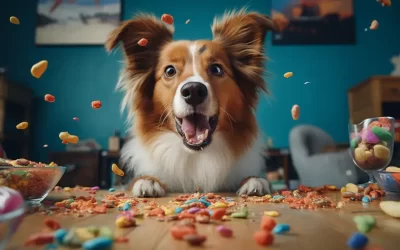
Are you a dog owner pondering over the seemingly innocent yet crucial question, “Can Dogs Eat Orange Sherbet?” If so, you’re not alone in seeking clarity on how certain treats might impact your furry friend.
The online landscape is rife with various opinions and uncertainties, and as a pet parent, it’s only natural to want the best for your canine companion. In the maze of conflicting information, finding a trustworthy source to address your concerns becomes paramount.
As a seasoned veterinary professional, I understand the intricacies of canine nutrition and the importance of making informed decisions regarding their diet
In the realm of treats like orange sherbet, there’s a need for insights grounded in both expertise and a genuine concern for the well-being of our four-legged friends. Rest assured, I’m here to provide you with the answers you seek.
Wondering whether orange sherbet is a safe indulgence for your canine companion? Look no further. This article is crafted to unravel the complexities surrounding the question of whether dogs can eat orange sherbet.
Dogs should not eat orange sherbet. While dairy products can be problematic for some dogs due to lactose intolerance, the high sugar content and artificial additives in sherbet can also be harmful. It may lead to digestive issues, obesity, or even contribute to more serious health problems.
- Understanding Canine Nutrition
- Components of Orange Sherbet
- Dogs and Dairy
- Potential Risks and Concerns
- Benefits of Sharing Orange Sherbet with Dogs
- Moderation and Portion Control
- Alternatives to Orange Sherbet
- Final Thoughts: Can Dogs Eat Orange Sherbet
- Frequently Asked Questions on Feeding Dogs Orange Sherbet?
Understanding Canine Nutrition

In comprehending whether dogs can safely consume orange sherbet, it’s paramount to delve into the fundamentals of canine nutrition.
A dog’s diet plays a pivotal role in its overall health, and treats, although delightful, must be approached with consideration for their impact on the pet’s nutritional balance.
Basic Dietary Requirements for Dogs
Dogs, like humans, necessitate a balanced diet to thrive. Essential nutrients, such as proteins, fats, carbohydrates, vitamins, and minerals, contribute to various physiological functions, including muscle development, energy production, and immune system support.
Proteins, sourced from meat or plant-based alternatives, are particularly crucial for maintaining a dog’s muscle mass and overall well-being.
Fats serve as an energy source and aid in nutrient absorption, while carbohydrates provide a readily available energy reservoir.
The Impact of Treats on a Dog’s Overall Nutrition
While treats can be a delightful addition to a dog’s diet, their nutritional impact should be carefully considered. Excessive treatment consumption may lead to an imbalance in the dog’s overall nutrient intake, potentially causing weight management issues or nutritional deficiencies.
Treats often contain additional calories, and if not factored into the dog’s daily caloric allowance, they can contribute to weight gain over time.
Moreover, certain treats may lack the essential nutrients found in a balanced dog food diet, reinforcing the importance of moderation.
Introduction to the Concept of Moderation in Treat Consumption
Moderation is a key principle when incorporating treats into a dog’s diet. Treats should complement, not replace, a well-balanced and nutritionally complete dog food.
Introducing variety in treats allows for a more enriching experience for the dog while maintaining nutritional equilibrium.
Dog owners must be cognizant of the quantity and frequency of treats, tailoring them to the dog’s size, breed, and individual health needs.
Striking a balance ensures that treats remain a positive addition to the dog’s life without compromising its overall nutrition.
Also Read: Can Dogs Eat Rainbow Sherbet?
Components of Orange Sherbet

As we explore the safety of feeding orange sherbet to our canine companions, a meticulous examination of its components is imperative.
Orange sherbet, known for its vibrant citrus flavor, contains a medley of ingredients that warrant scrutiny to determine whether they align with a dog’s dietary needs and overall well-being.
Ingredients in Typical Orange Sherbet
Orange sherbet typically consists of ingredients like orange juice or flavoring, sugar, water, and dairy components such as milk or cream.
The vibrant orange hue is often achieved through natural or artificial coloring. The combination of these elements contributes to the distinct taste and texture of sherbet.
Understanding the specific components lays the groundwork for assessing its suitability for canine consumption.
Potentially Harmful Components for Dogs
While many of the ingredients in orange sherbet are safe for human consumption, certain components may pose risks to dogs. Dairy, a common ingredient, raises concerns due to the prevalence of lactose intolerance in dogs.
Excessive sugar content is another potential issue, as it can lead to weight gain, dental problems, and, in some cases, contribute to conditions like diabetes.
Additionally, artificial additives or preservatives should be scrutinized, as dogs may react differently to these substances than humans.
Nutritional Value and Potential Benefits for Dogs
From a nutritional standpoint, orange sherbet may offer some benefits to dogs. Oranges themselves contain vitamin C, which can support the immune system and provide antioxidants.
However, the concentration of these benefits in sherbet may be limited, and the potential drawbacks, such as sugar content, should be weighed carefully.
Understanding both the potential benefits and risks allows dog owners to make informed decisions about including orange sherbet in their pet’s diet, always keeping in mind the principles of moderation and individual dietary considerations.
Also Read: Can Dogs Eat Orange Sherbet Ice Cream?
Dogs and Dairy

The inclusion of dairy in a dog’s diet is a subject that merits careful consideration, especially when contemplating treats like orange sherbet.
Understanding how dogs interact with dairy products, the prevalence of lactose intolerance among them, and the implications of dairy content in specific treats is vital for responsible pet ownership.
Dogs’ Ability to Digest Dairy Products
Dogs, by nature, are not obligate lactose consumers. While some dogs possess the enzyme lactase, which is essential for breaking down lactose, others experience a decline in lactase production after weaning.
This means that the ability to digest dairy varies among individual dogs. Puppies usually produce lactase to digest their mother’s milk, but this capability may diminish as they mature.
Consequently, the introduction of dairy-containing treats demands a nuanced understanding of the dog’s digestive capacity.
Lactose Intolerance in Dogs and Its Prevalence
Lactose intolerance is a common occurrence in the canine population. As dogs age, their lactase production can decrease, leading to an inability to effectively process lactose.
This intolerance manifests through digestive issues such as diarrhea, flatulence, and abdominal discomfort.
Dog owners need to be attuned to signs of lactose intolerance and adjust their pet’s diet accordingly. Recognizing the prevalence of lactose intolerance underscores the importance of mindful treat selection.
Dairy Content in Orange Sherbet and Its Implications
Considering the potential for lactose intolerance in dogs, the dairy content in orange sherbet becomes a critical focal point. While sherbet may contain milk or cream, the overall lactose concentration may vary.
Dog owners must scrutinize labels and be aware of their pet’s tolerance levels. If a dog exhibits signs of lactose intolerance, opting for dairy-free treats becomes paramount.
A veterinarian’s guidance proves invaluable in navigating these considerations, ensuring that treats align with a dog’s digestive capabilities and overall well-being.
Also Read: Can Dogs Eat Sherbet?
Potential Risks and Concerns

Ensuring the well-being of our canine companions requires a discerning examination of potential risks and concerns associated with treats like orange sherbet.
While indulging our furry friends is a joyful experience, it is equally crucial to be aware of ingredients that may pose harm, the implications of high sugar content, and the impact of artificial additives.
Ingredients That Can Be Harmful to Dogs
Certain ingredients found in orange sherbet may be potentially harmful to dogs. For instance, xylitol, a sugar substitute often used in human treats, is highly toxic to dogs and can lead to severe health complications, including liver failure.
Additionally, certain artificial sweeteners, chocolate, and caffeine—ingredients occasionally found in desserts—should be avoided as they can be toxic to dogs.
Vigilance in ingredient scrutiny is paramount, emphasizing the need for dog owners to be well-informed advocates for their pets’ health.
Risks of High Sugar Content for Dogs
The risks associated with a high-sugar diet are not exclusive to humans; dogs are equally susceptible. Excessive sugar intake can contribute to obesity, and dental issues, and, in extreme cases, may lead to diabetes.
Orange sherbet, while tempting, often contains a substantial amount of sugar. Dog owners must recognize the potential health implications and carefully consider the frequency and quantity of sugary treats to mitigate these risks and maintain their pet’s overall health.
Artificial Additives and Their Potential Impact
Artificial additives, such as preservatives and colorings, are common components of processed foods, including some treats.
While they are generally considered safe for human consumption, their impact on dogs may differ. Dogs may react adversely to certain additives, leading to allergic reactions or gastrointestinal distress.
As such, a cautious approach is warranted when introducing treats like orange sherbet, particularly if they contain artificial additives.
Opting for treats with minimal artificial ingredients or consulting with a veterinarian about potential sensitivities can help mitigate these concerns.
Also Read: Can Dogs Eat Top Ramen?
Benefits of Sharing Orange Sherbet with Dogs

While the potential risks are important to consider, there are instances where sharing a delightful treat like orange sherbet with our furry companions can have certain benefits.
Understanding the role of moderation, recognizing potential health benefits from specific ingredients, and identifying scenarios where orange sherbet might be suitable for dogs allow for a balanced perspective on treating our pets.
Moderation as a Key Factor
The golden rule when it comes to sharing treats with dogs, including orange sherbet, is moderation. Small, infrequent portions can transform a simple treat into a positive and enjoyable experience for dogs.
Moderation helps prevent potential health issues associated with overconsumption and allows dogs to savor the treat without compromising their overall diet.
Dog owners should exercise prudence, keeping in mind the size, weight, and individual health needs of their pets.
Possible Health Benefits of Specific Ingredients
While the primary focus should be on a dog’s regular, nutritionally balanced diet, some ingredients in orange sherbet may offer certain health benefits.
Oranges, the primary flavor in sherbet, contain vitamin C—an essential nutrient that supports the immune system. Antioxidants present in oranges can also contribute to overall well-being.
However, it’s crucial to recognize that the concentration of these benefits in sherbet may be limited, and any treat should be viewed as a supplement rather than a substitute for a nutritious diet.
Instances Where Orange Sherbet Might Be Suitable for Dogs
There are specific instances where orange sherbet can be considered a suitable treat for dogs. For example, during hot weather, frozen orange sherbet can provide a refreshing and hydrating option.
Additionally, for dogs with specific preferences or those undergoing medical treatments that may affect appetite, the palatability of orange sherbet might entice them to eat.
However, these instances should be approached with caution, considering the dog’s health conditions and consulting with a veterinarian to ensure appropriateness.
Also Read: Can Dogs Eat Ramen Noodles With Seasoning?
Moderation and Portion Control

The adage “everything in moderation” holds particularly true when it comes to treating our canine companions, and this wisdom extends to indulgences like orange sherbet.
Recognizing the significance of moderation and implementing effective portion control not only enhances the safety of treat-giving but also ensures a balanced and nutritious diet for our four-legged friends.
Importance of Moderation in Treat-Giving
Moderation serves as the cornerstone of responsible treat-giving. While the joy of sharing treats with our dogs is undeniable, overindulgence can lead to health issues.
Whether it’s the occasional biscuit or a spoonful of orange sherbet, dog owners should exercise restraint in treat-giving to prevent excess calorie intake and maintain a healthy weight for their pets.
This approach fosters a positive relationship with treats, making each indulgence a special and controlled experience.
Providing Guidelines on Portion Control for Orange Sherbet
When considering orange sherbet as a treat for dogs, precision in portion control is paramount. The sugar content and potential lactose concerns make it imperative to offer sherbet in small, carefully measured portions.
A teaspoon or less, depending on the dog’s size, can be a suitable starting point. Additionally, frozen sherbet can be portioned into smaller servings, extending the joy of the treat while keeping calorie intake in check.
Careful observation of the dog’s response and overall health ensures that portion sizes align with individual needs.
Tips on Incorporating Treats into a Balanced Dog Diet
Incorporating treats into a dog’s diet should be approached with a holistic perspective. Treats, including orange sherbet, should complement the dog’s regular meals rather than serve as a substitute.
One effective strategy is to deduct the calories from treats from the dog’s overall daily caloric intake to maintain nutritional balance.
Choosing treats with some nutritional value, such as those containing vitamins or antioxidants, further contributes to a well-rounded diet. Consulting with a veterinarian can provide personalized guidance on integrating treats seamlessly into a dog’s nutrition plan.
Also Read: Can Dogs Eat Plain Ramen Noodles?
Alternatives to Orange Sherbet

As we navigate the landscape of canine treats, it’s worthwhile to explore alternatives to orange sherbet that not only tantalize the taste buds of our furry friends but also prioritize their health.
From dog-friendly frozen delights to homemade recipes and the wisdom of veterinary consultation, numerous alternatives cater to both the palates and well-being of our beloved pets.
Dog-Friendly Frozen Treat Options
In the realm of frozen treats tailored for dogs, the options are delightfully varied. Frozen fruits such as berries, watermelon, or even unsweetened yogurt cubes can serve as refreshing alternatives.
These options not only provide a cooling sensation but also offer vitamins and antioxidants beneficial to a dog’s health.
Some commercially available frozen dog treats, specifically designed with canine nutritional needs in mind, can also be a convenient and safe choice for those seeking an alternative to orange sherbet.
DIY Recipes for Safe and Enjoyable Canine Treats
For the creative pet owner, delving into do-it-yourself (DIY) recipes opens up a world of possibilities. Simple, dog-safe ingredients like peanut butter, plain yogurt, and fruits can be combined to create frozen popsicles or bite-sized treats.
DIY treats not only allow for full control over ingredients but also provide an opportunity to tailor treats to a dog’s specific taste preferences and dietary requirements.
However, it’s crucial to avoid ingredients harmful to dogs, such as xylitol or excessive salt, and to consult reliable sources for pet-friendly recipes.
Consulting with a Veterinarian for Personalized Recommendations
When in doubt or seeking tailored advice, consulting with a veterinarian is an invaluable step in selecting the best treats for a specific dog.
Veterinarians possess the expertise to assess an individual dog’s health needs, dietary requirements, and potential sensitivities.
They can offer personalized recommendations, taking into account factors like age, breed, and any pre-existing health conditions. This ensures that treat choices align with the dog’s overall well-being and contribute positively to their diet.
Also Read: Can Dogs Eat Chicken Flavored Ramen Noodles?
Final Thoughts: Can Dogs Eat Orange Sherbet

Dogs can eat orange sherbet in moderation. While it may be a tempting treat for your canine companion, it’s essential to consider potential lactose intolerance and the sugar content in sherbet.
Some dogs may be sensitive to dairy, a common ingredient, so it’s crucial to monitor for any adverse reactions. Additionally, ensure that the sherbet doesn’t contain harmful additives like xylitol.
Start with small portions, observe your dog’s response, and consult with your veterinarian to determine if orange sherbet is a suitable and safe addition to your dog’s diet based on their individual health needs.
Summarizing Key Points Regarding Dogs and Orange Sherbet
In summary, the decision to share orange sherbet with our dogs demands a nuanced understanding of canine nutrition.
We’ve examined the basic dietary requirements for dogs, the potential risks associated with certain ingredients, and the significance of moderation and portion control.
The exploration of alternatives and the recognition of potential benefits underscore the complexity of treatment choices.
Dog owners are encouraged to be vigilant about harmful ingredients, prioritize moderation, and be cognizant of individual canine health needs.
Reinforcing the Importance of Informed Treat Choices for Canine Health
The journey of treat selection for our dogs extends beyond momentary indulgence—it is a conscientious effort to contribute to their overall health and happiness.
Choosing treats with awareness of potential risks and benefits, maintaining moderation, and considering individual dietary requirements collectively contribute to a responsible and caring approach.
Informed treatment choices become a tangible expression of our commitment to the well-being of our loyal companions.
Encouraging Readers to Consult with Their Veterinarians for Specific Dietary Advice
As we navigate the nuanced terrain of canine treats, the role of veterinary guidance cannot be overstated.
Each dog is a unique individual with specific health needs, and a veterinarian’s expertise provides invaluable insights.
Readers are encouraged to partner with their veterinarians, seeking tailored advice on treatment choices, portion control, and overall dietary considerations.
This collaborative approach ensures that every treat aligns harmoniously with the specific health requirements of individual dogs.