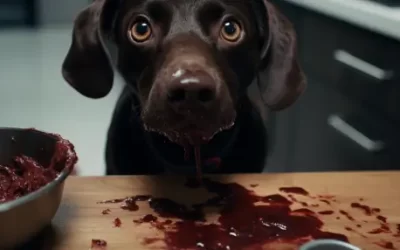
Are you a dog owner with a discerning palate, wondering about the culinary preferences of your furry friend? The question, “Can dogs eat pimento cheese?” reflects a sincere concern for your canine companion’s well-being.
As a pet owner, your priority is ensuring that every tidbit your furry friend enjoys aligns with their health and happiness. It’s only natural to seek guidance on what’s safe and suitable for their diet. In this article, we delve into this particular inquiry with empathy and a shared commitment to your pet’s welfare.
Having spent years in the field of veterinary medicine, specializing in pet nutrition, I can confidently address your query about pimento cheese and its suitability for dogs. It’s crucial to approach canine nutrition with expertise, ensuring that every treat aligns with their dietary needs.
In the following sections, I’ll delve into the intricacies of pimento cheese, breaking down its ingredients and potential impact on your dog’s health. You can trust that the information provided here is not just theoretical but stems from practical experience and a deep understanding of the dynamics between pets and their nutrition.
If you’re seeking a comprehensive and trustworthy answer to the query that brought you here, you’re in the right place. Our journey into the world of dogs and pimento cheese goes beyond a simple yes or no. It’s an exploration into the intricacies of canine dietary needs, potential risks, and safer alternatives.
So, dear reader, read on to discover the tailored solutions that address your concerns. Your pet’s well-being is at the heart of our discussion, and together, we’ll navigate the nuances of whether dogs can indulge in the savory delight of pimento cheese.
Pimento cheese is generally safe for dogs in small amounts. However, it’s important to be cautious when feeding your dog with pimento cheese due to its high fat and calorie content, which can potentially lead to digestive upset or weight gain if given excessively.
- What is Pimento Cheese?
- Dogs and Dietary Concerns
- Can Dogs Eat Cheese?
- Pimento Cheese Ingredients and Dogs
- Pimento Cheese Risks and Concerns
- Moderation and Portion Control
- Signs of Allergies or Discomfort
- Pimento Cheese Alternatives for Dogs
- Final Thoughts: Can Dogs Eat Pimento Cheese?
- Frequently Asked Questions on Feeding Dogs Pimento Cheese
What is Pimento Cheese?

When we explore the culinary landscape of canine-friendly treats, it’s essential to start with an understanding of the star of the inquiry – pimento cheese. This delectable concoction has found its way into many human dishes, and its potential appeal to our canine companions raises questions about its suitability for their consumption.
Definition and Ingredients of Pimento Cheese
Pimento cheese, a Southern staple, is a delightful blend of flavors characterized by the marriage of cheese, typically cheddar or American, mayonnaise, and the distinctive addition of diced pimentos.
The pimentos, often red cherry peppers, contribute not only to the flavor but also to the visual appeal of this savory spread. As we delve into the canine compatibility of pimento cheese, understanding the elements that constitute it becomes pivotal.
Nutritional Composition of Pimento Cheese
To comprehend whether pimento cheese aligns with a dog’s nutritional needs, we must scrutinize its composition.
Packed with protein from the cheese and a dash of healthy fats from mayonnaise, it’s crucial to evaluate these elements concerning a dog’s dietary requirements.
The intricate dance between nutrients can impact a dog’s health, and our exploration will shed light on whether pimento cheese adds a nutritious note to their diet or introduces potential concerns.
Common Uses and Variations in Recipes
Beyond being a mere spread, pimento cheese showcases its versatility in various recipes. From sandwiches to dips and even as a topping for crackers, this savory creation boasts a spectrum of applications in the kitchen.
As we consider the potential incorporation of pimento cheese into a dog’s diet, understanding the common uses and variations becomes paramount. Different recipes may introduce additional ingredients or alter the composition, influencing the safety of their consumption by our four-legged friends.
Also Read: Can Dogs Eat Nacho Cheese
Dogs and Dietary Concerns

Our beloved canine companions rely on us for more than just companionship—they depend on us for their well-being, and a significant aspect of that is their diet.
As responsible pet owners, understanding the intricacies of canine dietary needs is paramount. In this section, we embark on a journey into the nutritional landscape that shapes the health and vitality of our furry friends.
Overview of Canine Dietary Needs
To comprehend the complexities of what our dogs can and cannot eat, we must first delve into the fundamental aspects of their dietary requirements.
Canines, like humans, require a balanced diet to thrive, encompassing essential nutrients such as proteins, fats, vitamins, and minerals. An understanding of these needs lays the foundation for evaluating the compatibility of specific foods, including the tantalizing prospect of pimento cheese.
Foods That Are Generally Safe for Dogs
While our furry friends share our love for tasty treats, not all human foods are suitable for them. There is a list of foods that are generally considered safe for dogs, providing essential nutrients without posing significant risks.
Recognizing these canine-friendly options becomes crucial as we evaluate whether pimento cheese aligns with the spectrum of foods that contribute positively to a dog’s overall health.
The Significance of Being Cautious with Human Foods
The warmth of sharing a meal with our dogs often tugs at our hearts, but the significance of being cautious with human foods cannot be overstated. While harmless, many human delicacies can pose risks to our four-legged companions.
This caution extends to the consideration of sharing foods like pimento cheese. As we explore the allure of this particular dish, we do so with a vigilant eye on the potential implications for canine health.
Also Read: Can Dogs Eat Truffle Cheese
Can Dogs Eat Cheese?

The bond between dogs and cheese is a tale as old as time—those soulful eyes watching every move as you unwrap a slice or grate it over a meal. Yet, the question lingers: is cheese a safe indulgence for our canine companions?
In this section, we embark on an exploration of the canine-cheese connection, dissecting the safety, nutritional nuances, and considerations that govern this delightful association.
Exploring the Safety of Cheese for Dogs
Cheese, a dairy delight cherished by many, often finds its way onto our furry friend’s wish list.
But is it safe?
As we navigate this cheesy terrain, we’ll delve into the factors that determine whether cheese is a permissible treat for dogs.
The exploration extends beyond personal preferences to the intricacies of canine physiology, ensuring that what seems harmless to us aligns with the safety standards for our four-legged friends.
Nutritional Benefits and Potential Risks
Cheese brings with it a palate-pleasing mix of flavors and textures, but what about its nutritional profile? We’ll unravel the nutritional benefits, exploring the proteins, fats, and essential nutrients that cheese can contribute to a dog’s diet.
However, no culinary journey is complete without acknowledging potential risks. Excessive fat content, lactose intolerance, and the impact of certain cheese varieties on canine health will be scrutinized, providing a balanced perspective for responsible pet ownership.
Factors to Consider When Feeding Cheese to Dogs
The decision to share cheese with your dog is not one to be taken lightly. Factors ranging from the type of cheese to the individual dog’s health condition play a role in determining the appropriateness of this indulgence.
In this section, we’ll outline the considerations that should guide your decision-making process, ensuring that every cheesy treat aligns harmoniously with your dog’s well-being.
Also Read: Can Dogs Eat Pepper Jack Cheese?
Pimento Cheese Ingredients and Dogs

As we delve into the culinary consideration of sharing pimento cheese with our canine companions, a meticulous examination of its ingredients is paramount.
The allure of this Southern delicacy prompts a closer look at the elements that compose it, shedding light on potential concerns and the nuanced impact of specific components on the health of our furry friends.
Examining Individual Ingredients in Pimento Cheese
Pimento cheese, with its savory appeal, is a symphony of flavors brought together by a handful of key ingredients.
In this section, we embark on a deconstruction of the dish, examining each component with a discerning eye. From the cheese varieties to the mayonnaise and the iconic diced pimentos, we unravel the specific ingredients that contribute to the overall composition of pimento cheese.
Identifying Potential Concerns for Dogs
As we identify and scrutinize each ingredient, it becomes crucial to highlight potential concerns that may arise when introducing pimento cheese into a dog’s diet. Some ingredients, though harmless to us, can pose risks to canine health.
We’ll navigate through these cautionary notes, ensuring that dog owners are well-informed about the components that might warrant a second thought before sharing this beloved Southern spread with their pets.
Understanding the Impact of Specific Components on Canine Health
The impact of specific components on canine health requires a nuanced understanding of canine nutrition. From the fats in cheese to the seasonings and additives that often accompany pimentos, we explore the potential implications for a dog’s well-being.
This section aims to provide dog owners with a comprehensive understanding of how individual ingredients may influence their pet’s health, aiding in informed decision-making regarding pimento cheese consumption.
Also Read: Can Dogs Eat Chili Cheese Fries?
Pimento Cheese Risks and Concerns

As we navigate the culinary landscape of sharing human delights with our canine companions, it is essential to scrutinize the potential risks and concerns associated with specific foods.
Pimento cheese, a flavorful treat enjoyed by many, presents a canvas for us to explore the nuanced risks that may arise when shared with our four-legged friends.
In this section, we unravel the potential pitfalls, focusing on the high-fat content, seasonings, and additives that characterize this beloved Southern spread.
High-Fat Content in Pimento Cheese and Its Effects on Dogs
One of the primary considerations when contemplating sharing pimento cheese with dogs is its high-fat content. While fats are an essential component of a balanced diet, an excess can lead to a myriad of health issues for our canine companions.
We delve into the intricacies of the canine digestive system, understanding how the high-fat content in pimento cheese may impact dogs and exploring the delicate balance required for optimal canine nutrition.
Presence of Seasonings and Additives
Beyond the core ingredients, pimento cheese often features an array of seasonings and additives to enhance its flavor profile.
These additions, while enhancing the human palate, may pose concerns for our furry friends. In this section, we scrutinize the potential impact of seasonings and additives on canine health, shedding light on whether these flavorful elements align with a dog’s dietary tolerance.
Potential Consequences of Feeding Pimento Cheese to Dogs
Every indulgence comes with potential consequences, and sharing pimento cheese with dogs is no exception.
We explore the potential ramifications of introducing this savory spread into a dog’s diet.
From digestive discomfort to more severe health issues, understanding the potential consequences allows pet owners to make informed decisions, fostering a balanced approach to treating our dogs while prioritizing their overall well-being.
Also Read: Can Dogs Eat Spray Cheese?
Moderation and Portion Control

The culinary delight of sharing our meals with our furry companions is a joyous experience, but it comes with a crucial caveat: moderation.
As we explore the world of pimento cheese and its potential role in a dog’s diet, understanding the importance of moderation and effective portion control becomes paramount.
In this section, we delve into the significance of balanced treat-giving, recommended portion sizes, and the delicate art of integrating indulgences into a dog’s regular diet.
The Importance of Moderation in Feeding Human Foods to Dogs
While treating our dogs to the occasional human delight is a heartfelt gesture, it is vital to embrace the principle of moderation.
In this subsection, we discuss the overarching importance of moderation in the canine diet. A balanced approach to treats ensures that the joy of sharing delectable moments with our dogs harmonizes with their overall health and well-being.
Recommended Portion Sizes for Dogs
As we extend our culinary affections to our canine companions, quantifying appropriate portion sizes takes center stage. Here, we delve into the specific portion sizes recommended for dogs when it comes to treats like pimento cheese.
Understanding the balance between indulgence and nutritional needs ensures that our furry friends receive the joy of treats without compromising their health.
Balancing Treats with a Dog’s Regular Diet
The integration of treats into a dog’s regular diet demands a delicate balance. In this section, we explore strategies for harmonizing indulgences like pimento cheese with the daily nutritional requirements of our four-legged friends. From considering the nutritional content of treats to adjusting regular meal sizes, we aim to guide dog owners in achieving a wholesome approach to canine cuisine.
Also Read: Can Dogs Eat Vegan Cheese?
Signs of Allergies or Discomfort

Our dogs, much like us, communicate their well-being through subtle signs and behaviors. As we navigate the exploration of whether pimento cheese can find a place in their culinary repertoire, it is imperative to be attuned to potential signs of allergies or discomfort.
In this section, we unravel the indicators that a dog may be allergic to pimento cheese, the telltale signs of gastrointestinal distress, and the crucial timing for consulting a veterinarian.
Indicators That a Dog May Be Allergic to Pimento Cheese
Canine allergies can manifest in various ways, and pimento cheese, with its unique blend of ingredients, may trigger allergic reactions in some dogs. This subsection outlines the indicators that a dog may be allergic to pimento cheese.
From skin irritations to changes in behavior, understanding these cues empowers dog owners to respond promptly to potential allergic reactions.
Recognizing Signs of Gastrointestinal Distress
As we explore the impact of pimento cheese on a dog’s digestive system, recognizing signs of gastrointestinal distress becomes paramount. This section delves into the subtle and not-so-subtle cues that may signify digestive discomfort in dogs.
From changes in stool consistency to vomiting or lethargy, being vigilant about these signs allows for early intervention and promotes the well-being of our furry companions.
When to Consult a Veterinarian
While our knowledge as pet owners is invaluable, there are instances when the expertise of a veterinarian is indispensable. This subsection provides guidance on when to consult a veterinarian.
Whether it’s a lingering concern about potential allergies or an observation of persistent discomfort, timely veterinary consultation ensures that our dogs receive the best care and attention for their health.
Also Read: Can Dogs Eat Parmesan Cheese Rind?
Pimento Cheese Alternatives for Dogs

As we navigate the delicate balance of treating our dogs while prioritizing their health, the quest for safe alternatives becomes a pivotal consideration.
In this section, we explore dog-friendly cheese options, delve into the realm of homemade treats crafted from safe ingredients, and emphasize the importance of consulting with a veterinarian for personalized advice.
Let’s embark on this journey to discover alternatives that not only tantalize the canine palate but also align seamlessly with their well-being.
Listing Dog-Friendly Cheese Options
For dog owners seeking to share the joy of cheese with their furry friends, this subsection provides a comprehensive list of dog-friendly cheese options. From mild cheddar to mozzarella, we explore cheeses that are generally well-tolerated by dogs. This guide aims to offer alternatives that allow dogs to partake in the joy of cheese without compromising their health.
Homemade Treats Using Safe Ingredients
Crafting homemade treats ensures control over the ingredients and allows dog owners to tailor snacks to their canine companion’s specific needs.
In this part of the section, we delve into creative and safe homemade treat options using ingredients that are known to be well-tolerated by dogs. From cheese-infused biscuits to frozen delights, these homemade treats provide a healthier alternative to store-bought options.
Consulting with a Vet for Personalized Advice
While general guidelines offer valuable insights, the uniqueness of each dog demands personalized advice. This subsection emphasizes the significance of consulting with a veterinarian for tailored recommendations.
A veterinarian can consider individual factors such as age, breed, health condition, and dietary requirements, offering advice that aligns precisely with the specific needs of your beloved pet.
Final Thoughts: Can Dogs Eat Pimento Cheese?

In addressing the central question—Can dogs eat pimento cheese?—the answer lies in a nuanced understanding of canine health and responsible pet ownership.
While the occasional nibble might not pose an immediate threat, careful consideration of the risks, ingredients, and potential allergic reactions is paramount. As with many human treats, moderation is key.
Throughout this exploration, we’ve delved into the ingredients of pimento cheese, examined the risks, and discussed the importance of moderation and portion control.
We’ve highlighted signs of potential allergies or discomfort and offered alternatives that cater to the canine palate while prioritizing their health. The journey has underscored the significance of being attuned to our furry friends’ needs.
In concluding our discussion, it is crucial to reiterate the importance of responsible pet ownership. While our dogs may eagerly anticipate sharing our meals, our duty as caregivers involves thoughtful consideration of their dietary needs.
Every treat, including pimento cheese, should be offered with an understanding of its impact on our pet’s health, ensuring their well-being remains a top priority.
As we bid farewell to this exploration, a final piece of advice emerges—when in doubt, consult a veterinarian. Every dog is unique, and their health considerations may warrant personalized guidance.
Seeking professional veterinary advice ensures that decisions about treats, including pimento cheese, align with the specific needs of each canine companion, fostering a harmonious balance between indulgence and health.
In embracing the joy of sharing moments and meals with our dogs, let us tread the path of informed choices, guided by love, responsibility, and a commitment to the well-being of our cherished furry companions.