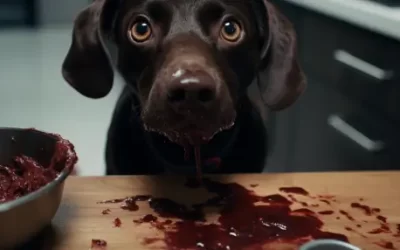
Pet owners often find themselves navigating a complex landscape when it comes to their furry friends’ diet, and one common question that arises is, “Can dogs eat red bean paste?” It’s an understandable concern.
As a pet owner, I’ve encountered the same curiosity, prompting me to delve into this topic with empathy for those seeking answers on the compatibility of red bean paste with their dogs’ diet.
Having spent numerous years in the field as a veterinary professional, I understand the importance of addressing these inquiries with not just information but with a touch of empathy.
The quest for suitable treats for our dogs is fueled by a genuine desire to enhance their lives, and my experience allows me to provide insights beyond generic advice. As we explore the question of whether dogs can eat red bean paste.
If you’re here seeking a solution to the question of whether red bean paste is a safe addition to your dog’s diet, you’re in the right place. In the upcoming sections, we’ll navigate the intricacies of red bean paste, exploring its potential benefits, risks, and alternative options.
Dogs can eat red bean paste in moderation. However, it’s crucial to ensure the paste doesn’t contain any harmful ingredients like xylitol or excessive sugar. Additionally, be mindful of your dog’s overall diet and consult with a veterinarian before introducing new foods to ensure they are safe for your furry friend.
Assessing Dogs’ Nutritional Needs

As responsible pet owners, understanding our canine companions’ nutritional needs is paramount to their well-being. In this section, we will delve into the specific dietary requirements of dogs and explore how red bean paste may align with or deviate from these essential needs.
Canine Dietary Requirements
Dogs, like humans, have distinct dietary needs crucial for their health and vitality. A well-balanced diet for dogs typically includes proteins, fats, carbohydrates, vitamins, and minerals.
Proteins aid in muscle development, fats provide energy, and vitamins and minerals contribute to overall health. It’s important to note that the proportions of these elements may vary based on a dog’s age, size, breed, and health status.
As a veterinary professional, I often emphasize the significance of tailoring a dog’s diet to its individual requirements, ensuring they receive the right nutrients in appropriate quantities.
Nutritional Components in Red Bean Paste
Red bean paste is a staple in various human cuisines, known for its rich taste and cultural significance. However, when considering its suitability for canine consumption, we must analyze its nutritional components.
Red bean paste primarily consists of red beans, sugar, and sometimes additional ingredients for flavor. While red beans offer protein and fiber, the high sugar content raises concerns.
Excessive sugar intake can lead to various health issues in dogs, including obesity and dental problems. Therefore, it’s crucial to weigh the nutritional benefits of red bean paste against the potential drawbacks when contemplating it as a treat for our furry friends.
Identifying Safe and Unsafe Ingredients
When assessing the safety of feeding red bean paste to dogs, a meticulous examination of its ingredients is essential. Dogs may have allergies or sensitivities to certain foods, and common allergens like nuts or additives could be present in the paste.
As a seasoned veterinarian, I recommend scrutinizing labels for any harmful components and avoiding red bean paste preparations that include toxic ingredients for dogs.
Additionally, moderation is key; even safe ingredients can be problematic in excessive amounts. Dog owners should be aware of potential hazards and consult with their veterinarians before introducing red bean paste or any unconventional treat into their pet’s diet.
Understanding Red Bean Paste

Before exploring whether red bean paste is suitable for our canine companions, let’s unravel the essence of this culinary delight. Understanding its composition, cultural significance, and potential health benefits for humans lays the groundwork for a comprehensive evaluation.
Composition and Ingredients
Red bean paste, a staple in Asian and some Western cuisines, boasts a simple yet flavorful composition. Typically prepared from adzuki beans, sugar, and occasionally water or other ingredients for variation, this paste is celebrated for its sweet and nutty profile. In list format, the primary components include:
- Adzuki Beans
- Sugar
- Water (optional)
- Additional flavorings (varies)
Cultural Significance in Human Cuisine
Beyond its taste, red bean paste holds a significant place in cultural cuisines, particularly in Asian countries. Used in a myriad of desserts and snacks, it symbolizes tradition, celebrations, and familial ties.
Its vibrant red color often signifies good luck and prosperity. As we delve into the canine perspective, it’s crucial to recognize the cultural importance of red bean paste and consider its transition from human tables to canine bowls.
Potential Health Benefits for Humans
While not a superfood, adzuki beans, the primary component of red bean paste, do offer some health benefits for humans. Rich in fiber, they contribute to digestive health and may aid in weight management.
Additionally, adzuki beans contain essential nutrients like potassium and folate. However, it’s essential to highlight that the health benefits apply to humans, and the dynamics change when considering our four-legged friends.
As we proceed, we’ll evaluate whether these human-centric benefits translate to a safe and healthy option for dogs.
Potential Benefits of Red Bean Paste for Dogs

As we consider the inclusion of red bean paste in our canine companions’ diet, it’s essential to explore potential benefits that may contribute to their overall well-being. Let’s delve into the nutritional aspects and how moderation plays a pivotal role in harnessing these potential advantages.
Rich in Fiber and Antioxidants
One notable aspect of red bean paste is its rich fiber content, derived primarily from adzuki beans. Fiber plays a crucial role in supporting digestive health in dogs.
It aids in regulating bowel movements, preventing constipation, and promoting a healthy gut environment. Additionally, the presence of antioxidants in adzuki beans may offer protection against oxidative stress, potentially benefiting the overall health of our furry friends.
However, it’s vital to balance these potential benefits with other considerations to ensure a well-rounded assessment.
Potential Contributions to Canine Health
While red bean paste holds promise in terms of fiber and antioxidants, it’s essential to approach its potential contributions to canine health with caution.
Dogs have specific dietary requirements that may not align perfectly with the benefits seen in humans.
As a seasoned veterinary professional, I emphasize the importance of consulting with veterinarians before introducing unconventional treats into a dog’s diet. This ensures a comprehensive understanding of individual health needs and any potential risks associated with certain ingredients.
Moderation and Portion Control
Like any treat, moderation is key when considering red bean paste for dogs. While it may offer certain nutritional advantages, an excess of sugar or other ingredients could pose risks.
Dog owners should exercise caution and introduce red bean paste in small, controlled portions. Monitoring for any adverse reactions and being mindful of the overall diet’s balance is crucial.
This approach allows for the potential benefits to be harnessed while mitigating potential drawbacks.
Risks and Concerns

While exploring the potential benefits of incorporating red bean paste into a dog’s diet, it is equally important to address potential risks and concerns. This section aims to provide insight into factors that may pose challenges to the well-being of our canine companions.
Allergies and Sensitivities in Dogs
One primary consideration when introducing any new food to a dog’s diet is the potential for allergies or sensitivities. Dogs, like humans, can develop adverse reactions to certain ingredients.
In the case of red bean paste, variations in formulations or additional ingredients may trigger allergic responses in some dogs. As a vigilant pet owner, it’s crucial to observe for signs of allergies, including itching, swelling, or gastrointestinal disturbances.
If such symptoms arise, immediate consultation with a veterinarian is recommended to identify and address the underlying cause.
Sugar Content and Its Impact on Canine Health
Red bean paste, often sweetened for human consumption, may contain a notable amount of sugar. Excessive sugar intake in dogs can lead to various health issues, including obesity, diabetes, and dental problems.
As a veterinary professional, I stress the importance of monitoring the sugar content in treats, including red bean paste, and accounting for it within the dog’s overall diet.
Opting for sugar-free or low-sugar alternatives can mitigate potential health risks associated with high sugar intake.
Potential Gastrointestinal Issues
The introduction of new foods, especially those not commonly found in a dog’s regular diet, can sometimes result in gastrointestinal disturbances. Dogs may experience upset stomach, diarrhea, or vomiting as a response to unfamiliar ingredients.
This is particularly relevant when considering treats like red bean paste. To minimize the risk of such issues, gradual introduction and close monitoring of a dog’s digestive response are recommended.
If persistent or severe gastrointestinal problems arise, seeking veterinary advice is crucial to ensure the health and well-being of the dog.
Homemade Red Bean Paste Treats for Dogs

For dog owners looking to add a personal touch to their pets’ treats, homemade red bean paste creations present an exciting avenue. Crafting dog-friendly recipes allows for tailoring treats to canine tastes while ensuring safety and nutritional balance.
Let’s explore DIY recipes, considerations for safety and balance, and creative ways to incorporate red bean paste into your dog’s culinary experience.
DIY Recipes with Dog-Friendly Ingredients
Creating homemade red bean paste treats for dogs is not only a delightful endeavor but also allows control over ingredients for health-conscious pet owners. In list format, here are some dog-friendly DIY recipes to consider:
- Red Bean Paste Biscuits: Incorporate red bean paste into a simple biscuit recipe for a tasty and wholesome treat.
- Frozen Red Bean Treats: Mix red bean paste with yogurt or pureed fruits, freeze in molds, and create refreshing summer treats.
- Red Bean and Oatmeal Balls: Combine red bean paste with oats and roll into bite-sized balls for a nutritious snack.
Ensuring Safety and Nutritional Balance
While embracing the creativity of homemade treats, it’s crucial to prioritize safety and nutritional balance. Dog owners should be mindful of potential allergens, avoiding ingredients known to cause adverse reactions in dogs.
Additionally, maintaining a balance of essential nutrients ensures that homemade treats contribute positively to a dog’s overall diet.
Consulting with a veterinarian can provide personalized guidance, ensuring that homemade red bean paste treats align with the specific needs of individual dogs.
Creative Ways to Incorporate Red Bean Paste
Incorporating red bean paste into your dog’s treats can be an imaginative process. Aside from traditional biscuits, consider injecting red bean goodness into the following creative options:
- Kong Stuffing: Fill a Kong toy with red bean paste and freeze for a long-lasting, engaging treat.
- Homemade Ice Cream: Blend red bean paste with dog-safe ingredients like yogurt and freeze for a canine-friendly ice cream.
- Paw Print Pancakes: Use red bean paste as a filling for dog-safe pancakes, creating adorable paw-print shapes for a special breakfast.
Crafting homemade red bean paste treats for dogs not only introduces variety into their diet but also fosters a bond between pet and owner. As with any treats, moderation and consideration of individual dietary needs are essential for a happy and healthy canine companion.
Alternatives to Red Bean Paste

While exploring the possibilities of incorporating treats into your dog’s diet, it’s essential to consider alternatives to red bean paste.
This section aims to introduce safe and healthy dog treat options, emphasize the importance of diversifying the canine diet, and highlight the significance of balancing treats with regular meals for optimal health.
Safe and Healthy Dog Treat Options
Diversifying your dog’s treat repertoire with safe and healthy alternatives is key to providing a well-rounded diet. Opt for treats that prioritize nutritional value while being enjoyable for your canine friend. Some alternatives to red bean paste include:
- Lean Meat Treats: Offer small portions of cooked, lean meats like chicken or turkey.
- Vegetable Snacks: Dogs often enjoy vegetables like carrots, cucumber, or sweet potato as crunchy and nutritious treats.
- Commercial Dog Treats: Choose high-quality, vet-approved commercial treats that cater to specific dietary needs.
Diversifying Canine Diet for Optimal Health
Variety in a dog’s diet contributes to optimal health by providing a range of nutrients and preventing dietary monotony. Consider incorporating a mix of proteins, vegetables, and fruits into their meals and treats.
This not only adds interest to their diet but also ensures they receive a broad spectrum of essential nutrients. Diversification helps address specific dietary needs and preferences, promoting overall well-being.
Balancing Treats with Regular Meals
While treats are a delightful addition to your dog’s day, it’s crucial to maintain a balance with their regular meals. Treats should complement, not replace, the nutritional content of their main diet.
This balance ensures that your dog receives the necessary nutrients for sustained energy, growth, and overall health. As a veterinarian, I advocate for mindful treat-giving, considering the dog’s size, age, and health status to strike the right balance.
By exploring safe alternatives, diversifying the canine diet, and maintaining a balanced treat-to-meal ratio, pet owners can contribute to their dog’s overall well-being. Remember that moderation is key, and consulting with a veterinarian can provide tailored advice based on your dog’s individual needs.
Final Thoughts: Can Dogs Eat Red Bean Paste

Dogs can technically consume red bean paste in moderation, it’s crucial for owners to exercise caution. Red bean paste often contains high levels of sugar, which, if ingested excessively, can lead to health issues such as obesity and diabetes in dogs.
Additionally, some variations of red bean paste may include ingredients that are harmful to canines. It’s essential to carefully read labels, avoid additives that are known to be toxic to dogs, and monitor for any adverse reactions.
The Key Point
In assessing the compatibility of red bean paste with a canine diet, we’ve examined its nutritional components, potential benefits, associated risks, and even delved into creative ways to incorporate it into homemade treats.
It is vital to recall that while red bean paste may hold certain merits, it comes with considerations that require careful thought.
Providing a Balanced Perspective for Dog Owners
As caring pet owners, it’s paramount to maintain a balanced perspective when contemplating unconventional treats for our dogs. While red bean paste may offer some nutritional advantages, potential risks, such as sugar content and allergens, cannot be ignored.
A balanced diet, comprised of a variety of safe and healthy treats, ensures that our canine companions receive the nutrients they need while minimizing potential adverse effects.
The importance of Consultation with Veterinarians
The journey of understanding what our dogs can consume doesn’t end here. As a veterinary professional, I strongly emphasize the significance of consulting with veterinarians.
These trained experts can provide tailored advice based on your dog’s unique needs, health status, and potential sensitivities. Seeking professional guidance ensures that decisions regarding your dog’s diet align with their overall health and well-being.
In conclusion, while the allure of sharing cultural delights like red bean paste with our dogs is understandable, responsible pet ownership entails careful consideration.
By staying informed, maintaining a balanced perspective, and consulting with veterinarians, we can navigate the intricate landscape of canine nutrition, contributing to the happiness and health of our beloved furry companions.