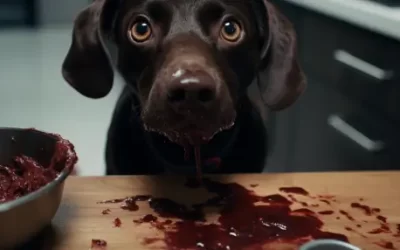
As a dog lover and responsible pet owner, it’s only natural to want the best for our furry companions. If you’ve found yourself pondering the question “Can Dogs Eat Strawberry Cake?” during moments of shared indulgence or celebration, you’re not alone.
The internet is flooded with queries about the safety of treating our dogs to the occasional sweet delight, and it’s clear that the well-being of our four-legged friends is a top priority for many.
In my years of dedicated experience as a veterinary professional with a profound understanding of veterinary medicine and pet nutrition, I’ve encountered numerous inquiries about dogs and their dietary choices.
The question of whether dogs can safely indulge in strawberry cake is a valid and crucial one. It reflects the conscientious nature of pet owners who want to strike the perfect balance between treating their dogs and safeguarding their health.
This article is not just a generic compilation of data but a carefully crafted guide, offering insights based on veterinary experience and a commitment to the health and happiness of our canine companions.
Dogs should not eat strawberry cake. While strawberries themselves are generally safe for dogs in moderation, strawberry cake often contains ingredients like sugar, butter, and flour, which can be harmful to dogs. Additionally, certain additives and sweeteners in the cake may be toxic to them.
Understanding the Ingredients

As a seasoned veterinary professional, I understand the importance of scrutinizing the ingredients in our pets’ potential treats.
When it comes to strawberry cake, a seemingly delightful dessert, it’s crucial to delve into the specifics to ensure our canine companions’ well-being.
Ingredients in strawberry cake
Strawberry cake, like many desserts, is a medley of ingredients, each contributing to its flavor and texture. Typically, it includes flour, sugar, eggs, butter, and, of course, strawberries.
The flour provides the structure, while sugar sweetens the deal. Eggs and butter add moisture and richness, and strawberries offer a burst of fruity flavor.
However, it’s essential to note that while these components might be harmless for us, dogs have different dietary needs and sensitivities.
Potentially harmful components for dogs
Delving deeper into the breakdown, certain ingredients in strawberry cake can be potential red flags for our canine friends.
Excessive sugar content, often found in cakes, can contribute to obesity, diabetes, and dental issues in dogs. Additionally, some dogs may be lactose intolerant, making butter a concern.
The use of artificial sweeteners, which is not uncommon in desserts, is particularly hazardous for dogs, as they can cause severe health issues.
Thus, while the sweetness of strawberry cake is appealing, pet owners must exercise caution regarding these ingredients.
Strawberries and their potential benefits for dogs
Amidst the cautionary notes, strawberries stand out as a redeeming feature in the cake. These vibrant berries are rich in essential nutrients such as vitamins C and K, antioxidants, and fiber.
For dogs, moderate consumption of fresh strawberries can contribute to their overall well-being. The antioxidants aid in cellular health, while fiber supports digestion.
However, it’s vital to emphasize moderation, as an excess of even healthy treats can disrupt a dog’s balanced diet.
Strawberries for Dogs The Nutritional Aspect

As a dedicated veterinary professional, I find it imperative to delve into the nutritional landscape when considering the inclusion of strawberries in our canine companions’ diets.
Strawberries, with their natural sweetness and vibrant hues, may seem like a delightful treat, but understanding their nutritional profile is key to ensuring our dogs’ health and well-being.
Nutritional value of strawberries for dogs
Strawberries pack a nutritional punch for our furry friends. These berries are a fantastic source of essential vitamins, most notably vitamin C, which supports the immune system, promoting resilience against various infections.
Additionally, strawberries contain vitamin K, crucial for blood clotting, and a range of B vitamins that contribute to energy metabolism.
Knowing the nutritional richness of strawberries allows us to appreciate them as more than just a tasty indulgence for dogs.
Benefits of strawberries, including vitamins, antioxidants, and fiber
Beyond their delightful taste, strawberries offer a myriad of benefits for our canine companions. The antioxidants present in strawberries, such as anthocyanins, play a pivotal role in neutralizing harmful free radicals, and promoting cellular health.
Furthermore, the fiber content in strawberries aids in digestion, supporting a healthy gastrointestinal tract. This combination of vitamins, antioxidants, and fiber makes strawberries a nutritious addition to a well-balanced canine diet.
Considerations for moderation in serving sizes
While the nutritional value of strawberries is undeniable, moderation remains key. Even though dogs can enjoy strawberries, excessive consumption may lead to digestive upset due to the natural sugars present. Careful consideration of serving sizes is essential to prevent overindulgence.
As a veterinary professional, I recommend incorporating strawberries as occasional treats, ensuring they complement a dog’s regular diet without causing imbalance.
The Dangers of Strawberry Cake

Navigating the world of canine nutrition involves not only understanding the positive aspects of certain foods but also recognizing potential hazards.
When it comes to strawberry cake, an ostensibly delectable treat, it’s crucial to be aware of the lurking dangers that some of its ingredients may pose to our furry companions.
Ingredients in cake that can be harmful to dogs
Cake, a staple in human celebrations, often contains ingredients that can be problematic for dogs. Chocolate, a common cake component, is well-known for its toxicity to dogs due to the presence of theobromine.
Additionally, the richness of butter and the high sugar content can lead to issues such as obesity, pancreatitis, and dental problems in our canine friends.
Recognizing these common cake ingredients is the first step in understanding the potential dangers associated with sharing this dessert with dogs.
Sugar and its impact on canine health
The role of sugar in cakes is significant and warrants particular attention when considering canine health. Excessive sugar intake can lead to obesity, diabetes, and dental issues in dogs.
The spike in blood sugar levels may also contribute to hyperactivity and, subsequently, behavioral problems.
As veterinary professionals, we underscore the importance of minimizing sugar intake in a dog’s diet to maintain their overall well-being.
Potential digestive issues and allergies associated with cake ingredients
Beyond the sugar content, certain ingredients in cakes, such as dairy products, may pose digestive challenges for dogs.
Lactose intolerance is not uncommon among canines, and the inclusion of butter or other dairy components can lead to gastrointestinal upset.
Additionally, some dogs may be allergic to specific ingredients present in cakes, manifesting symptoms such as itching, swelling, or digestive distress.
Recognizing these potential issues emphasizes the need for prudence when considering sharing strawberry cake with our furry friends.
The Impact of Additives and Flavorings

As conscientious pet owners, it’s vital to scrutinize not only the main ingredients but also the additives and flavorings that enhance the taste and appearance of strawberry cake.
These components, though seemingly innocuous, can harbor risks for our canine companions, underscoring the importance of a discerning eye when it comes to selecting treats for our furry friends.
Examination of additives and flavorings commonly used in strawberry cake
Strawberry cake often incorporates various additives and flavorings to achieve its distinctive taste and visual appeal. Common additives include food colorings, preservatives, and flavor enhancers.
While these components might be harmless for humans, their impact on dogs can differ significantly. Delving into the specifics of these additives allows us to understand the potential implications for canine health.
Identifying additives that may be harmful to dogs
Not all additives and flavorings are created equal, and some may pose risks to our canine companions. For instance, certain food colorings, like xylitol, a sugar substitute, can be highly toxic to dogs, leading to severe health issues.
Preservatives, while extending the shelf life of cakes, may have adverse effects on a dog’s digestive system. Recognizing these potential harms is crucial for responsible pet ownership.
Cautionary notes on artificial sweeteners and their dangers for canines
Artificial sweeteners, often used in cakes to reduce sugar content, merit particular attention in the context of canine health.
Xylitol, a commonly used sugar substitute, is highly toxic to dogs, causing rapid insulin release and leading to hypoglycemia. In severe cases, xylitol ingestion can result in liver failure.
This underscores the importance of scrutinizing labels and being cautious about sharing desserts, such as strawberry cake, that may contain artificial sweeteners with our canine companions.
Signs of Allergic Reactions or Intolerance

Understanding how dogs may react to specific foods is paramount, especially when it comes to indulging in treats like strawberry cake.
While it may be tempting to share a slice with our canine companions, recognizing the signs of allergic reactions or intolerance is crucial for their well-being.
In this section, we delve into the nuanced details of how dogs may express discomfort or adverse reactions to certain ingredients in strawberry cake.
Signs of allergic reactions in dogs
Allergic reactions in dogs can manifest in various ways, and being attuned to these signs is essential for responsible pet care.
Common allergic reactions include itching, redness, and swelling of the skin, often accompanied by incessant scratching or licking.
Gastrointestinal symptoms such as vomiting or diarrhea may also occur. Respiratory issues, like sneezing or coughing, are additional indicators.
A detailed understanding of these common signs empowers pet owners to promptly address potential allergic reactions.
Symptoms of intolerance to certain ingredients
Intolerance to specific ingredients, even if not a full-blown allergic reaction, can lead to discomfort for our canine companions.
Dogs may exhibit digestive issues, such as bloating, gas, or changes in bowel movements, indicating an intolerance to certain components present in strawberry cake.
Recognizing these subtler symptoms is crucial for maintaining a dog’s digestive health and overall comfort.
Urging pet owners to monitor their dogs closely after consuming strawberry cake
In the spirit of preventive care, pet owners are strongly urged to monitor their dogs closely after indulging in strawberry cake or any unfamiliar treats.
Observing changes in behavior, energy levels, and overall well-being is essential in detecting early signs of adverse reactions.
Immediate veterinary attention is recommended if any concerning symptoms persist or worsen, ensuring a swift response to potential health issues.
Safe Alternatives for Dogs

While navigating the potential risks associated with strawberry cake, it’s essential to explore safe and enjoyable alternatives for our canine companions.
Treating our dogs doesn’t have to compromise their well-being; in fact, it can enhance their overall happiness.
In this section, we delve into suggestions for dog-friendly strawberry treats, homemade recipes that incorporate strawberries safely, and commercial treats crafted with canine health in mind.
Suggestions for dog-friendly strawberry treats
For a canine-friendly strawberry experience, consider offering fresh, sliced strawberries as a standalone treat. These juicy, nutrient-packed berries can be a delightful and healthy snack for dogs.
Alternatively, freeze-dried strawberries or strawberry-flavored dog treats, specifically formulated for canine consumption, can be excellent options.
These alternatives provide the sweet and tangy flavor dogs may enjoy without the potential risks associated with the complex ingredients of strawberry cake.
Homemade recipes that incorporate strawberries safely
For pet owners who enjoy a bit of culinary creativity, homemade treats offer a personalized touch and the assurance of knowing each ingredient.
Consider crafting simple, dog-safe strawberry treats at home. A popular option includes blending fresh strawberries with yogurt and freezing the mixture into bite-sized treats.
This not only captures the essence of strawberry flavor but also introduces the benefits of yogurt’s probiotics to support digestive health.
Commercial treats designed specifically for canine consumption
In the market, there are numerous commercial treats tailored to meet canine dietary needs. Look for strawberry-flavored dog treats from reputable brands that prioritize the health and safety of pets.
These treats often use dog-friendly ingredients, ensuring a tasty experience without compromising on nutritional balance.
By opting for commercially available, canine-specific strawberry treats, pet owners can indulge their dogs responsibly.
Final Thoughts: Can Dogs Eat Strawberry Cake

Dogs can eat a small amount of plain strawberry cake occasionally, it’s crucial to be cautious. The cake’s main ingredients, such as sugar and certain additives, may not align with a dog’s dietary needs and can lead to health issues, including obesity and digestive problems.
Moreover, potential hazards arise when cakes contain ingredients like chocolate, artificial sweeteners, or xylitol, which are toxic to dogs.
It’s advisable to avoid giving dogs strawberry cake with frosting, as the sugar content and additional ingredients in the frosting can pose further risks.
If you choose to share a small piece, ensure it lacks harmful components, and monitor your dog for any adverse reactions, such as gastrointestinal upset or changes in behavior.
Always prioritize moderation and opt for safer alternatives like fresh strawberries or dog-friendly treats with strawberry flavoring.
Key points regarding dogs and strawberry cake
In reviewing the complexities of strawberry cake for dogs, we’ve dissected the ingredients, highlighting potential dangers such as sugar, additives, and artificial sweeteners. Conversely, we’ve celebrated the nutritional value of strawberries when offered in moderation.
Recognizing the signs of allergic reactions and intolerance has been crucial, empowering pet owners to make informed choices for their furry friends.
Encouragement for responsible and informed decision-making
In the realm of pet care, knowledge is power. Armed with insights into the potential risks and benefits of feeding strawberry cake to dogs, pet owners are empowered to make responsible and informed decisions.
This includes scrutinizing labels, monitoring for adverse reactions, and exploring safe alternatives that align with canine dietary needs.
Final thoughts on treating dogs with love and care while considering their health
As we indulge in the joy of treating our dogs, let’s not forget the profound responsibility that comes with it.
Treating our dogs with love and care goes beyond the joy of sharing a slice of strawberry cake; it involves making choices that prioritize their well-being.
Whether opting for safe alternatives, crafting homemade treats, or choosing vet-approved commercial options, the act of treating our dogs becomes a manifestation of the deep bond and commitment we share with our loyal companions.