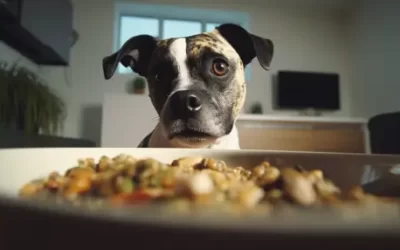
Dogs love to eat, and this is no rocket science. We love giving our dogs whatever we’re eating, but not all human food is healthy for dogs. So, what human foods can dogs eat?
Dogs can eat human foods such as beef, bread, corn, eggs, chicken, salmon, tuna, milk, mackerel, oatmeal, pasta, rice, yogurt, and pork. Human foods such as alcohol, chocolates, avocados, onions, macadamia nuts, grapes, and caffeine should be avoided because they’re toxic to dogs.
Knowing that your dog loves to eat, we have to keep in mind that the digestive system of a dog is different from that of a human. Some human foods are safe and nutritious for dogs, while others are unhealthy and detrimental to the health of your dog.
In this article, I will go over a list of 150 human foods your dog can eat. I’ll also provide you with foods they can’t eat and how to prepare the foods they can eat to keep them on the safe side.
Dairy Products

When used sparingly, organic dairy products are a great source of fat that can benefit a dog’s diet. Dogs that are lactose intolerant may experience gas, bloating, vomiting, or diarrhea after consuming dairy products. Consult your vet before incorporating them into their food.
Can Dogs Eat Dairy Products?
Dogs can eat dairy products. Many dairy products, like cheese, yogurt, and milk, are healthy for your dog to consume in moderation. Your dog shouldn’t be overfed dairy products, and some of them have lactose intolerance because they are unable to digest the sugars in dairy products.
What Dairy Products Can Dogs Eat?
Dogs can eat dairy products such as cheese, cottage cheese, cow milk, vanilla ice cream, whey, yogurt, and many more. They should avoid dairy products like goat milk, butter, margarine, and others because they contain toxins that are harmful to them if ingested in large quantities.
| Name | Safe to Eat? | Portion Size | Servings | Safe Frequency | Notes |
| Cheese | Yes | Bite-sized chunks | A couple bites | Every few days | Some dogs are lactose-intolerant |
| Cottage Cheese | Yes | Quarter cup | Once a month | Some dogs are lactose-intolerant | Some dogs are lactose-intolerant |
| Cow Milk | Yes | Quarter cup | Once a month | Some dogs are lactose-intolerant | Some dogs are lactose-intolerant |
| Goat Milk | No | None | None | Never | Some dogs are lactose-intolerant |
| Ice Cream | Maybe | Half a cup | Once a week | Plain vanilla only | Plain vanilla only |
| Sheep Milk | Yes | Quarter cup | Once a month | Some dogs are lactose-intolerant | Some dogs are lactose-intolerant |
| Whey | Yes | Half a tablespoon | Once a week | Some dogs are lactose-intolerant | Some dogs are lactose-intolerant |
| Yogurt | Yes | 2 Large tablespoons | Daily | Some dogs are lactose-intolerant | Some dogs are lactose-intolerant |
Every dog has specific food intolerances, allergies, and sensitivities. Always consult your veterinarian before feeding your dog any dairy products you’re not sure of.
Fruits
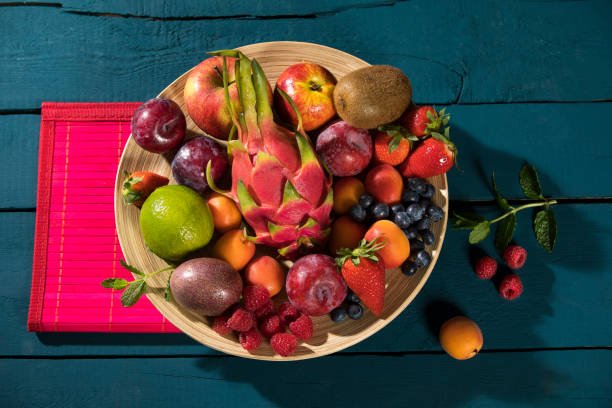
Dogs are omnivores; they don’t need fruits to meet their nutritional requirements. However, adding fresh fruits to your dog’s regular diet, with your vet’s approval and guidance, may provide them with an extra dose of vitamins, minerals, and antioxidants, as well as an extra source of hydration.
Can Dogs Eat Fruits?
Dogs can eat fruits. Fresh fruits are a healthy alternative to dog treats since they are full of vitamins, minerals, and antioxidants. However, they are also high in natural sugars and should be given in moderation, while some have seeds that are typically harmful to dogs.
What Fruits Can Dogs Eat?
Dogs can eat fruits such as apples, bananas, blackberries, blueberries, raspberries, strawberries, watermelons, oranges, mangoes, peaches, and many more. You shouldn’t feed them grapes, avocados, lemons, and the pits or seeds of most fruits because they’re poisonous to your dog.
Freshly diced fruits are great for your dog’s immune system. However, you should avoid feeding fruits to your overweight dog due to the high sugar content in the fruit, which can lead to obesity.
| Name | Safe to Eat? | Portion Size | Servings | Safe Frequency | Notes |
| Agrumi | Yes | Bite-sized chunks | 1 | Once a week | Remove core & seeds |
| Apples | Yes | Bite-sized chunks | 1 | 3~4 Days | Remove core & seeds |
| Apricots | No | None | None | Never | Unsafe / Toxic, do not give to your pet |
| Bananas | Yes | Bite-sized chunks | 1 | Once a week | Remove peel |
| Blackberries | Yes | 4~8 | 1 | Once a week | Fresh or frozen |
| Blueberries | Yes | 4~8 | 1 | Daily | Remove stem & clean |
| Boysenberry | Yes | 4~8 | 1 | Once a week | Fresh or frozen |
| Cantaloupe | Yes | Bite-sized chunks | 1 | Once a week | Remove peel & seeds |
| Cherries | No | None | None | Never | Unsafe / Toxic, do not give to your pet |
| Coconut | Yes | Bite-sized chunks | 1 | Once a week | Fresh |
| Cranberries | Yes | 4~8 | 1 | 3~4 Days | Remove stem & clean |
| Dates | No | None | None | Never | Unsafe / Toxic, do not give to your pet |
| Figs | No | None | None | Never | Unsafe / Toxic, do not give to your pet |
| Grapefruit | No | None | None | Never | Unsafe / Toxic, do not give to your pet |
| Grapes | No | None | None | Never | Unsafe / Toxic, do not give to your pet |
| Honeydew Melon | Yes | Bite-sized chunks | 1 | Once a week | Remove seeds & skin |
| Kiwi | Yes | Bite-sized chunks | 1 | 3~4 Days | Remove seeds & skin |
| Lemons | No | None | None | Never | Unsafe / Toxic, do not give to your pet |
| Limes | No | None | None | Never | Unsafe / Toxic, do not give to your pet |
| Mango | Yes | Bite-sized chunks | 1 | Once a week | Remove core & seeds |
| Nectarines | Yes | Small slices | 1 | 3~4 Days | Remove peel & seeds |
| Oranges | Yes | Small slices | 1 | 3~4 Days | Remove peel & seeds |
| Papayas | Yes | Bite-sized chunks | 1 | Once a week | Remove peel & seeds |
| Peaches | Yes | Bite-sized chunks | 1 | 3~4 Days | Remove the pit & flesh around it |
| Pears | Yes | Bite-sized chunks | 1 | 3~4 Days | Remove the pit, seeds, flesh around them |
| Pineapple | Yes | Bite-sized chunks | 1 | 3~4 Days | Remove prickly peel and crown |
| Plums | No | None | None | Never | Unsafe / Toxic, do not give to your pet |
| Quince | Yes | Bite-sized chunks | 1 | Once a week | Remove stem & clean |
| Raisins | No | None | None | Never | Unsafe / Toxic, do not give to your pet |
| Raspberries | Yes | 4~8 | 1 | Once a week | Remove core & seeds |
| Rhubarb | No | None | None | Never | Unsafe / Toxic, do not give to your pet |
| Strawberries | Yes | 2~6 | 1 | Once a week | Remove stem & clean |
| Tangerines | Yes | Small slices | 1 | 3~4 Days | Peal & remove seeds |
| Watermelon | Yes | Bite-sized chunks | 1 | 3~4 Days | Remove rind & seeds |
Every pet has specific food intolerances, allergies, and sensitivities. Always consult your veterinarian before feeding your dog any dairy products you’re not sure of.
Grains
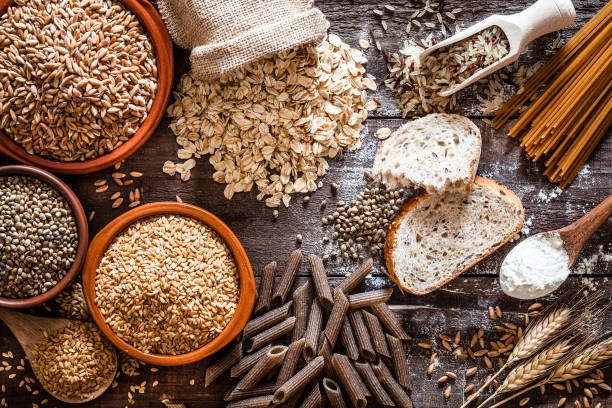
The inclusion of grains in dog food is a hotly debated issue, and there is no agreement among veterinarians as to whether dogs should consume them. Not all grains are made equal, and although some are excellent for dogs when given in moderation, others are better avoided.
Can Dogs Eat Grains?
Dogs can eat grains. Grains are an excellent source of nutrients for your dog. They contain carbohydrates, fats, and antioxidants that meet their nutritional requirements. The grains in dog food can promote healthy immune systems, skin, and hair, among other things.
What Grains Can Dogs Eat?
Dogs can eat grains such as whole wheat, brown rice, barley, oats, millet, quinoa, sorghum, rye, corn, amaranth, and bread. You should avoid feeding your dog grains such as roughage because they contain toxins that are bad for dogs if ingested in large amounts.
| Name | Safe to Eat? | Portion Size | Servings | Safe Frequency | Notes |
| Amaranth | Yes | 1 Tablespoon | 1 | Every few days | Cooked & unseasoned |
| Barley | Yes | 1 Tablespoon | 1 | Every few days | Cooked & unseasoned |
| Bread | Yes | 1 Tablespoon | 1 | Every few days | No toppings, butter, spreads, … |
| Brown Rice | Yes | 2~3 Tablespoons | 1 | Every few days | Cooked & unseasoned |
| Buckwheat | Yes | 2 Tablespoon | 1 | Every few days | Cooked & unseasoned |
| Corn | Yes | 1 Tablespoon | 1 | Every few days | Cooked & unseasoned |
| Millet | Yes | 1 Tablespoon | 1 | Every few days | Cooked & unseasoned |
| Oat / Oatmeal | Yes | 1 Tablespoon | 1 | Every few days | Cooked, no addons |
| Pasta | Yes | 1 Tablespoon | 1 | Once a week | Cooked & unseasoned |
| Quinoa | Yes | 1 Tablespoon | 1 | Every few days | Cooked & unseasoned |
| Raw Dough | No | None | None | Never | Unsafe / Toxic, do not give to your pet |
| White Rice | Yes | 2~3 Tablespoons | 1 | Every few days | Cooked & unseasoned |
Every pet has specific food intolerances, allergies, and sensitivities. Always consult your veterinarian before feeding your dog any dairy products you’re not sure of.
Legumes
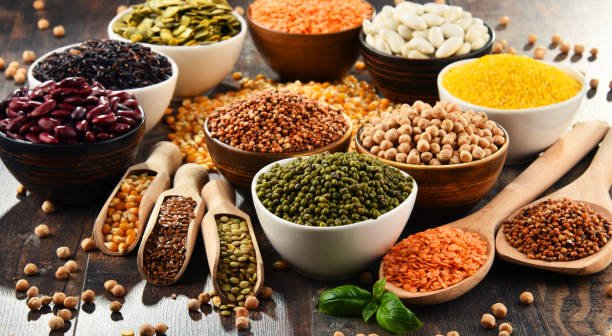
Legumes are a natural plant-based source of protein for your dog. They provide a healthy source of essential nutrients like iron, magnesium, vitamin A, vitamin C, vitamin K, and antioxidants.
Can Dogs Eat Legumes?
Dogs can eat legumes. Legumes are incredibly nutrient-dense foods that are loaded with fiber, protein, carbs, and other essential vitamins and minerals that your dog needs. When combined with other healthy components, they are a fantastic source of extra nutrients for your dog’s diet.
What Legumes Can Dogs Eat?
Dogs can eat legumes such as kidney beans, lima beans, navy beans, adzuki beans, fava beans, lentils, green peas, and many more. They shouldn’t eat raw beans due to their hardness on the digestive system, which can lead to inflammation, constipation, gas, dietary problems, and vomiting.
| Name | Safe to eat? | Portion Size | Servings | Safe Frequency | Notes |
| Adzuki Bean | Yes | 1~2 Table Spoon | 1 | Every 3~4 Days | Cooked & unseasoned |
| Black Eyed Pea | Yes | 1~2 Table Spoon | 1 | Every 3~4 Days | Cooked & unseasoned |
| Black Turtle Bean | Yes | 1~2 Table Spoon | 1 | Every 3~4 Days | Cooked & unseasoned |
| Fava Bean | Yes | 1~2 Table Spoon | 1 | Every 3~4 Days | Cooked & unseasoned |
| Garbanzo / Chickpea | Yes | 1~2 Table Spoon | 1 | Every 3~4 Days | Cooked & unseasoned |
| Great Northern Bean | Yes | 1~2 Table Spoon | 1 | Every 3~4 Days | Cooked & unseasoned |
| Green Pea / Split Pea | Yes | 1~2 Table Spoon | 1 | Every 3~4 Days | Cooked & unseasoned |
| Kidney Bean | Yes | 1~2 Table Spoon | 1 | Every 3~4 Days | Cooked & unseasoned |
| Lentils | Yes | 1~2 Table Spoon | 1 | Every 3~4 Days | Cooked & unseasoned |
| Lima Bean | Yes | 1~2 Table Spoon | 1 | Every 3~4 Days | Cooked & unseasoned |
| Navy Bean | Yes | 1~2 Table Spoon | 1 | Every 3~4 Days | Cooked & unseasoned |
| Pinto Beans | No | None | None | Never | Unsafe / Toxic, do not give to your pet |
Every pet has specific food intolerances, allergies, and sensitivities. Always consult your veterinarian before feeding your dog any dairy products you’re not sure of.
Meat

The majority of your dog’s diet is made up of meat and proteins. Although dry dog food often covers these, most brands also include additives that some dogs may be sensitive to. It’s recommended to prepare any meat you give your pet flavor-free, even if certain animals may benefit from a “raw” diet.
Can Dogs Eat Meat?
Dogs can eat meat. However, a dog’s stomach isn’t as advanced as that of a human. While some meats are good for dogs, others are toxic for them. It’s on you, the pet owner, to be aware of the kind of meat you feed your dog to prevent health complications.
What Meats Can Dogs Eat?
Dogs can eat meat such as beef, bacon, bison, chicken, duck, elk, emu, fish, goat, ground beef, kangaroo, lamb, liver, llama, moose, ostrich, pork, quail, rabbit, turkey, venison, and yak.
| Name | Safe to eat? | Portion Size | Servings | Safe Frequency | Notes |
| Bacon | No | None | None | Never | Unsafe / Toxic, do not give to your pet |
| Beef | Yes | Bite-sized chunks | 1 | Every few days | Cooked & unseasoned |
| Bison / Buffalo | Yes | Bite-sized chunks | 1 | Every few days | Cooked & unseasoned |
| Chicken | Yes | Bite-sized chunks | 1 | Every few days | Cooked & unseasoned |
| Duck | Yes | Bite-sized chunks | 1 | Every few days | Cooked & unseasoned |
| Eggs | Yes | 1~2 | 1 | Once a day | Best mixed, uncooked, and unseasoned |
| Elk | Yes | Bite-sized chunks | 1 | Every few days | Cooked & unseasoned |
| Emu | Yes | Bite-sized chunks | 1 | Every few days | Cooked & unseasoned |
| Fish *** | Yes *** | Bite-sized chunks | 1 | Once a week | Remove scales, bones, guts, just meat. Best cooked or steamed ***More notes below*** |
| Goat | Yes | Bite-sized chunks | 1 | Every few days | Cooked & unseasoned |
| Goose | No | None | None | Never | Unsafe / Toxic, do not give to your pet |
| Ground Beef | Yes | Bite-sized chunks | 1 | Once a day | Unseasoned |
| Kangaroo | Yes | Bite-sized chunks | 1 | Every few days | Cooked & unseasoned |
| Lamb | Yes | Bite-sized chunks | 1 | Every few days | Cooked & unseasoned |
| Liver | Yes | Bite-sized chunks | 1 | Every few days | Cooked & unseasoned |
| Llama | Yes | Bite-sized chunks | 1 | Every few days | Cooked & unseasoned |
| Moose | Yes | Bite-sized chunks | 1 | Every few days | Cooked & unseasoned |
| Ostrich | Yes | Bite-sized chunks | 1 | Every few days | Cooked & unseasoned |
| Pork | Yes | Bite-sized chunks | 1 | Every few days | Cooked & unseasoned |
| Quail / Pheasant | Yes | Bite-sized chunks | 1 | Every few days | Cooked & unseasoned |
| Rabbit | Yes | Bite-sized chunks | 1 | Every few days | Cooked & unseasoned |
| Shellfish | No | None | None | Never | Unsafe / Toxic, do not give to your pet |
| Turkey | Yes | Bite-sized chunks | 1 | Every few days | Cooked & unseasoned |
| Venison | Yes | Bite-sized chunks | 1 | Every few days | Cooked & unseasoned |
| Yak | Yes | Bite-sized chunks | 1 | Every few days | Cooked & unseasoned |
Every pet has specific food intolerances, allergies, and sensitivities. Always consult your veterinarian before feeding your dog any dairy products you’re not sure of.
Nuts
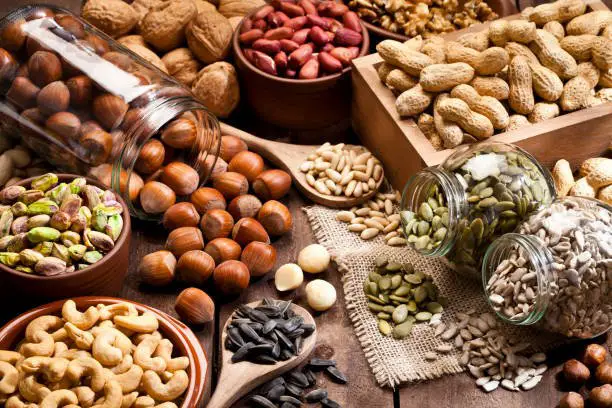
Although most nuts are harmful or even hazardous for dogs, they are a great supplement to a diet since they are abundant in plant-based proteins and lipids. Most dogs do not regularly consume nuts, which might cause allergies or intolerances. It is advised to refrain from giving nuts to your pet.
Can Dogs Eat Nuts?
Dogs can eat nuts. But there’s a caveat. Nuts are high in fats and calories, which is toxic for your dog when ingested in large quantities. Excessively feeding nuts to your dog can lead to weight gain and pancreatitis. Nuts also contain coatings like cocoa, garlic, and pepper that’s harmful to your dog.
What Nuts Can Dogs Eat?
Dogs can eat peanuts, pine nuts, nuts, American chestnuts, cashew nuts, flax seed, dill seed, sesame seed, pistachio, and hazelnut. However, you shouldn’t feed your dog almonds, macadamia nuts, pecans, flaxseeds, black walnuts, and hemp.
| Name | Safe to eat? | Portion Size | Servings | Safe Frequency | Notes |
| Almonds | No | None | None | Never | Unsafe / Toxic, do not give to your pet |
| Brazil Nut | Yes | 3~4 | 1 | Every few days | Remove shell & salt free |
| Cashews | Yes | 3~4 | 1 | Every few days | Remove shell & salt free |
| Chai Seed | Yes | 3~4 | 1 | Every few days | Remove shell & salt free |
| Dill Seed | Yes | 3~4 | 1 | Every few days | Remove shell & salt free |
| Filbert / Hazelnut | Yes | 3~4 | 1 | Every few days | Remove shell & salt free |
| Flaxseed / oil | No | None | None | Never | Unsafe / Toxic, do not give to your pet |
| Hemp | No | None | None | Never | Unsafe / Toxic, do not give to your pet |
| Macadamia Nuts | No | None | None | Never | Unsafe / Toxic, do not give to your pet |
| Peanuts | Yes | 3~4 | 1 | Every few days | Remove shell & salt free |
| Pecan | Yes | 3~4 | 1 | Every few days | Remove shell & salt free |
| Pine Nut | Yes | 3~4 | 1 | Every few days | Remove shell & salt free |
| Pistachio | Yes | 3~4 | 1 | Every few days | Remove shell & salt free |
| Sesame Seed | Yes | 3~4 | 1 | Every few days | Remove shell & salt free |
| Soy – Lecithin | Yes | 3~4 | 1 | Every few days | Remove shell & salt free |
| Sunflower Seed | No | None | None | Never | Unsafe / Toxic, do not give to your pet |
| Walnut | Yes | 3~4 | 1 | Every few days | Remove shell & salt free |
Every pet has specific food intolerances, allergies, and sensitivities. Always consult your veterinarian before feeding your dog any dairy products you’re not sure of.
Vegetables
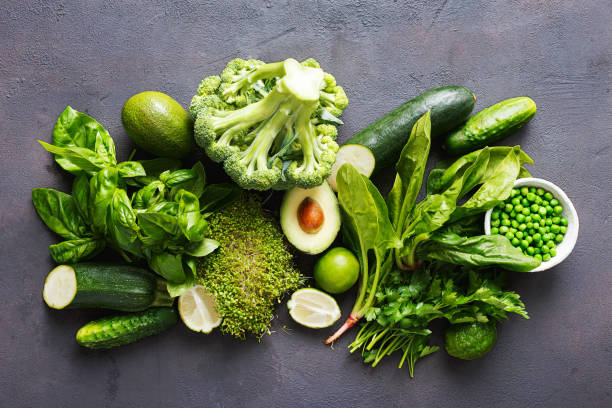
Dogs can consume both meat and vegetables since they are omnivores. Along with meat and grains, many commercial dog diets also contain fruits and vegetables. Additionally, all the nutrients a dog needs to be healthy are included in these products.
Can Dogs Eat Vegetables?
Dogs can eat vegetables. They contain nutrients that are missing from meat. Vegetables are full of phytonutrients, antioxidants, fiber, vitamins, and minerals that have the ability to combat illness. They also include digestive enzymes and are a great source of water because of their high water content.
What Vegetables Can Dogs Eat?
Dogs can eat vegetables such as artichokes, bell peppers, broccoli, Brussels sprouts, cabbage, carrots, cauliflower, celery, corn, collard green cucumbers, egg plants, green beans, kale, lettuce, peas, potatoes, pumpkin, spinach, radish, red pepper, tomatoes, okra, olives, zucchini, turnips, and others.
You shouldn’t feed your dog vegetables such as asparagus, avocado, beets, chile pepper, chives, green onions, leeks, mixed salad, mushrooms, onions, parsnips, tomatoes, and turnips because they contain toxins that are harmful to your dog.
| Name | Safe to eat? | Portion Size | Servings | Safe Frequency | Notes |
| Artichoke | Yes | Bite-sized chunks | 2-3 Bites | Every few days | Cleaned and diced |
| Asparagus | No | None | None | Never | Unsafe / Toxic, do not give to your pet |
| Avocado | No | None | None | Never | Unsafe / Toxic, do not give to your pet |
| Beet | No | None | None | Never | Unsafe / Toxic, do not give to your pet |
| Bell Peppers | Yes | 1/4 | Infrequently | Clean, remove stem, remove seeds | Clean, remove stem, remove seeds |
| Bok Choy | Yes | Bite-sized chunks | 2-3 Bites | Every few days | Cleaned and diced |
| Broccoli | Yes | Bite-sized chunks | 2-3 Bites | Every few days | Clean & Remove stem |
| Brussel Sprouts | Yes | 2 | Once a week | Clean & Remove stem | Clean & Remove stem |
| Cabbage | Yes | Half a handful | Every few days | Clean & Remove stem | Clean & Remove stem |
| Carrots | Yes | Bite-sized chunks | A few bites | Every few days | Clean & Remove stem |
| Cauliflower | Yes | Bite-sized chunks | A few bites | Every few days | Remove stem & leaves |
| Celery | Yes | Bite-sized chunks | A few bites | Every few days | Clean & Remove stem |
| Chile Pepper | No | None | None | Never | Unsafe / Toxic, do not give to your pet |
| Chives | No | None | None | Never | Unsafe / Toxic, do not give to your pet |
| Collard Greens | Yes | Bite-sized chunks | 2-3 Bites | Every few days | Cleaned and diced |
| Corn | Yes | Half a handful | Every few days | Remove cob | Remove cob |
| Cucumbers | Yes | Bite-sized chunks | A few bites | Every few days | Remove skin |
| Eggplant | Yes | Bite-sized chunks | 2-3 Bites | Every few days | Cleaned and diced |
| Green Beans | Yes | Half a cup | Every few days | Any | Fresh or frozen |
| Green Onions | No | None | None | Never | Unsafe / Toxic, do not give to your pet |
| Green Pepper | Yes | Bite-sized chunks | 2-3 Bites | Every few days | Cleaned and diced |
| Jicama | Yes | Bite-sized chunks | 2-3 Bites | Every few days | Cleaned and diced |
| Kale / Chard | Yes | Bite-sized chunks | 2-3 Bites | Every few days | Cleaned and diced |
| Leeks | No | None | None | Never | Unsafe / Toxic, do not give to your pet |
| Lettuce | Yes | A handful | Once a day | Cleaned and diced | Cleaned and diced |
| Mixed Salad | No | None | None | Never | Unsafe / Toxic, do not give to your pet |
| Mushrooms | No | None | None | Never | Unsafe / Toxic, do not give to your pet |
| Mustard Green | Yes | Bite-sized chunks | 2-3 Bites | Every few days | Cleaned and diced |
| Napa Cabbage | Yes | Bite-sized chunks | 2-3 Bites | Every few days | Cleaned and diced |
| Okra | Yes | Bite-sized chunks | 2-3 Bites | Every few days | Cleaned and diced |
| Olive | Yes | Bite-sized chunks | 2-3 Bites | Every few days | Cleaned and diced |
| Onions | No | None | None | Never | Unsafe / Toxic, do not give to your pet |
| Parsnip | No | None | None | Never | Unsafe / Toxic, do not give to your pet |
| Peas *** | Yes *** | Half a cup | Once a week | Fresh or frozen | Fresh or frozen ***More notes below*** |
| Potatos | Yes | A tablespoon | Every few days | Cook then mash, only use water | Fresh or frozen |
| Pumkin | Yes | Two tablespoons | Once a day | Remove seeds, fresh or canned | Cook then mash, only use water |
| Radish | Yes | Bite-sized chunks | 2-3 Bites | Every few days | Remove seeds, fresh or canned |
| Red Pepper | Yes | Bite-sized chunks | 2-3 Bites | Every few days | Cleaned and diced |
| Spinach | Yes | A handful | A few bites | Once a month | Clean |
| Sprouts (bean) | Yes | Bite-sized chunks | 2-3 Bites | Every few days | Cooked & unseasoned |
| Summer (squash) | Yes | Bite-sized chunks | 2-3 Bites | Every few days | Cleaned and diced |
| Sweet Potatos | Yes | A tablespoon | Every few days | Cook then mash, only use water | Cook then mash, only use water |
| Tomatoes | No | None | None | Never | Unsafe / Toxic, do not give to your pet |
| Turnip | No | None | None | Never | Unsafe / Toxic, do not give to your pet |
| Winter (squash) | Yes | Bite-sized chunks | 2-3 Bites | Every few days | Cleaned and diced |
| Zucchini | Yes | Quarter cup | Every few days | Remove skin | Remove skin |
Every pet has specific food intolerances, allergies, and sensitivities. Always consult your veterinarian before feeding your dog any vegetables you’re not sure of.
Miscellaneous

There are some human foods I’ll look into that don’t fall into the categories mentioned above.
What Other Human Foods Can Dogs Eat?
Dogs can eat allspice, allspice, baker’s yeast, basil, beet pulp, brewer’s yeast, carob, casein, coconut oil, coconut water, ethoxyquin, gelatin, ginger, honey, hops, kelp, mint, molasses, paprika, parsley, rosemary, sage, tapioca, and many more.
What Other Human Foods Can’t Dogs Eat?
Dogs can’t eat alcohol, anise, artificial sweeteners, black pepper, brown sugar, candy, chocolate, cinnamon, coffee, cooked bones, coriander, corn cobs, curry, distilled vinegar, fat trimmings, food coloring, food preservatives, ginger, garlic, gum, malt, moldy food, mustard, nutmeg, salt, soda, tobacco, tea, turmeric, vanilla, white pepper, white sugar, yeast culture, and many more.
| Name | Safe to eat? | Portion Size | Servings | Safe Frequency | Notes |
| Alcohol | No | None | None | Never | Unsafe / Toxic, do not give to your pet |
| Allspice | Yes | Half a teaspoon | 1 Serving | Once a week | Clean and remove stem |
| Anise | No | None | None | Never | Unsafe / toxic, do not give to your pet |
| Artificial Sweeteners | No | None | None | Never | Unsafe / toxic, do not give to your pet |
| Bakers Yeast | Yes | Half a teaspoon | 1 Serving | Once a week | Clean and remove stem |
| Basil | Yes | Half a teaspoon | 1 Serving | Once a week | Clean and remove stem |
| Beet Pulp | Yes | Half a teaspoon | 1 Serving | Once a week | Clean and remove stem |
| Black Pepper | No | None | None | Never | Unsafe / toxic, do not give to your pet |
| Brewers Yeast | Yes | Half a teaspoon | 1 Serving | Once a week | Clean and remove stem |
| Brown Sugar | No | None | None | Never | Unsafe / toxic, do not give to your pet |
| Candy | No | None | None | Never | Unsafe / Toxic, do not give to your pet |
| Carob | Yes | Half a teaspoon | 1 Serving | Once a week | Clean and remove stem |
| Casein | Yes | Half a teaspoon | 1 Serving | Once a week | Clean and remove stem |
| Chocolate | No | None | None | Never | Unsafe / Toxic, do not give to your pet |
| Cinnamon | No | None | None | Never | Unsafe / toxic, do not give to your pet |
| Coconut Oil | Yes | 1 teaspoon | 1 Serving | Every few days | Add to food or snacks |
| Coconut Water | Yes | 1 Tablespoon | 1 Serving | Every few days | Add to food, water, or snacks |
| Coffee | No | None | None | Never | Unsafe / Toxic, do not give to your pet |
| Cooked Bones | No | None | None | Never | Unsafe / Toxic, do not give to your pet |
| Coriander | No | None | None | Never | Unsafe / toxic, do not give to your pet |
| Corn Cobs | No | None | None | Never | Unsafe / Toxic, do not give to your pet |
| Curry | No | None | None | Never | Unsafe / toxic, do not give to your pet |
| Distilled Vinegar | No | None | None | Never | Unsafe / toxic, do not give to your pet |
| Ethoxyquin | Yes | Half a teaspoon | 1 Serving | Once a week | Clean and remove stem |
| Fat Trimmings | No | None | None | Never | Unsafe / Toxic, do not give to your pet |
| Food Coloring | No | None | None | Never | Unsafe / toxic, do not give to your pet |
| Food Preservatives | No | None | None | Never | Unsafe / toxic, do not give to your pet |
| Garlic | No | None | None | Never | Unsafe / Toxic, do not give to your pet |
| Gelatin | Yes | Less than a teaspoon | 1 Serving | Every few days | Cleaned and minced |
| Ginger | No | None | None | Never | Unsafe / toxic, do not give to your pet |
| Ginger | Yes | Less than a teaspoon | 1 Serving | Every few days | Cleaned and minced |
| Gum | No | None | None | Never | Unsafe / Toxic, do not give to your pet |
| Honey | Yes | 1 Teaspoon | 1 Serving | Once a week | Local honey is best |
| Hops | Yes | Half a teaspoon | 1 Serving | Once a week | Clean and remove stem |
| Juice | No | None | None | Never | Unsafe / Toxic, do not give to your pet |
| Kelp | Yes | Half a teaspoon | 1 Serving | Once a week | Typically an ingredient or powder |
| Malt | No | None | None | Never | Unsafe / toxic, do not give to your pet |
| medicine / medication | No | None | None | Never | Unsafe / Toxic, do not give to your pet |
| Mint | Yes | Half a teaspoon | 1 Serving | Once a week | Clean and remove stem |
| Molasses | Yes | 1 Teaspoon | 1 Serving | Once a week | |
| Moldy Foods | No | None | None | Never | Unsafe / Toxic, do not give to your pet |
| Montmorillonite Clay | Yes | Half a teaspoon | 1 Serving | Once a week | Clean and remove stem |
| Mustard | Yes | Half a teaspoon | 1 Serving | Once a week | Clean and remove stem |
| Mustard | No | None | None | Never | Unsafe / Toxic, do not give to your pet |
| Nutmeg | No | None | None | Never | Unsafe / toxic, do not give to your pet |
| Nutritional Yeast | No | None | None | Never | Unsafe / Toxic, do not give to your pet |
| Paprika | Yes | Half a teaspoon | 1 Serving | Once a week | Clean and remove stem |
| Parsley | Yes | Half a teaspoon | 1 Serving | Once a week | Clean and remove stem |
| Rosemary | Yes | Half a teaspoon | 2 Serving | Once a week | Clean and remove stem |
| Sage | Yes | Half a teaspoon | 3 Serving | Once a week | Clean and remove stem |
| Salt | No | None | None | Never | Unsafe / toxic, do not give to your pet |
| Soda | No | None | None | Never | Unsafe / Toxic, do not give to your pet |
| Tobacco | No | None | None | Never | Unsafe / Toxic, do not give to your pet |
| Tapioca | Yes | 2 Large tablespoons | Once a week | Some dogs are lactose-intolerant | Some dogs are lactose-intolerant |
| Tea | No | None | None | Never | Unsafe / Toxic, do not give to your pet |
| Turmeric | No | None | None | Never | Unsafe / toxic, do not give to your pet |
| Vanilla | No | None | None | Never | Unsafe / Toxic, do not give to your pet |
| White Pepper | No | None | None | Never | Unsafe / toxic, do not give to your pet |
| White Sugar | No | None | None | Never | Unsafe / toxic, do not give to your pet |
| Yeast Culture | No | None | None | Never | Unsafe / toxic, do not give to your pet |
Every pet has specific food intolerances, allergies, and sensitivities. Always consult your veterinarian before feeding your dog any human food you’re not sure of.
Can Dogs Eat Human Food?

Dogs can eat human food. Dogs have always eaten human food since the days when they were domesticated from wolves during our hunter-gatherer days.
Since when did dogs begin eating special dog food?
Dogs descended from wolves thousands of years ago, and they shared food with people as they coexisted with them. Like their humans, dogs were fed whatever was left over, including fragments of bone with residual flesh and cartilage, horsemeat, cabbage, potatoes, and old bread.
Since there were never enough table scraps and leftovers to feed our dogs as civilization developed and the number of dog owners increased, a businessman named James Spratt invented the first dog biscuit in the 1850s.
The first commercially available dry dog food as we know it was a biscuit consisting of wheat, vegetables, beets, and cattle blood. Wet dog food in cans was first developed in 1922, with horsemeat as the primary component.
So, what changed?
Just a few things have changed. The current dog food for dogs was created with their nutritional requirements in mind so they could function to the best of their ability.
Why You Shouldn’t Overfeed Your Dog With Human Food
It can be tempting to always feed your dog what you’re eating when they’re around. We want to show love to our pet and can’t turn our faces away when they’re happily looking at us or whining when we’re eating.
However, engaging in such behavior would not be beneficial to us or our dog in the long run. Let’s look at a few reasons to avoid overfeeding your dog with human food:
It Can Lead To Digestive Problems
The digestive system of a dog differs from that of a human. A dog cannot effectively digest typical human food since it is too rich in fat and oil.
Excessive feeding them with human food might result in vomiting, diarrhea, and even more serious illnesses like pancreatitis. Numerous human meals likewise include harmful levels of sodium for canines.
They Can Become Picky Eaters
Excessive feeding of human food to your dog can cause them to develop a picky eating disorder and refuse to eat their own food, especially if they believe that if they wait long enough, something better will be served.
Again, if the dog skips meals frequently or doesn’t get enough nutrients, this tendency may be hard to overcome and may potentially have negative bodily implications.
Overall, while it is not terrible if your dog occasionally eats “human food,” it is recommended to keep them on dog food to prevent more issues.
Some Human Food Are Toxic to Dogs
Your dog can be poisoned by chemicals found in human food. Dogs should never consume chocolate, raisins, grapes, macadamia nuts, almonds, onions, or garlic. Giving your dog some of your leftover food without knowing exactly what’s in it might put them at risk of inadvertently injuring themselves. Also, a lot of commercial meals have artificial sweeteners like xylitol, which is very bad for dogs.
It Reinforces Unwanted Behavior
Excessive feeding your dog with human food can lead to some unwanted behaviors like begging, which can scare off your guests when your dog hovers around them for some food.
It can also lead your dog to steal food from the kitchen counter or dining table when you’re not around. Don’t be surprised if your dog begins to reject their own food because they love the taste of human food.
Dogs are like little children. They’ll continue with certain behaviors when they figure out that you’ll always reward them positively for that behavior.
It Can Cause Obesity
Dogs who are regularly fed human food can become overweight in the long run. Even the occasional bite you feed them here and there can make your dog gain weight.
One ounce of cheddar cheese has the same number of calories as 1.5 hamburgers for a 20-pound dog.
Small nibbles may soon mount up and result in weight gain, which can cause a wide range of health issues, including diabetes, heart disease, and arthritis. More than 10% of your dog’s daily calories shouldn’t come from treats or other human foods.
It Can Lead To Health Complications
Dogs that only consume dog food typically score higher for bodily condition and are at a weight that is more appropriate for their age, breed, and/or size.
When dogs are kept at their ideal weight, they are less likely to experience joint, bone, ligament, or mobility difficulties, as well as heart disease, respiratory problems, poor liver function, and a host of other health issues.
Similar to people, a dog’s general health and lifespan are improved by keeping a healthy weight.
How to Feed Human Food To Your Dog

The best way to feed your dog human food is by giving them healthy, high-quality food that meets their daily nutritional requirements for a healthy lifestyle.
Below are some important guidelines to follow when feeding human food to your dog:
- Avoid processed meats like ham, sausage, and bacon since they are highly salted or spiced.
- You should only give your dog small amounts of human food. Treats shouldn’t account for more than 10% of your dog’s daily calorie intake, according to the general guideline.
- Present various meals gradually. This ought to eliminate any negative consequences that may arise from eating human food.
- Lactose-intolerant dogs shouldn’t eat dairy products. Your dog may be able to handle some dairy products but not others since there are variable amounts of lactose in them.
- All meats should be cooked. Unless your dog is accustomed to a well-prepared raw diet, As tiny bones can easily shatter and cause harm to your dog’s mouth or throat, choking, or a digestive obstruction, make sure the meat is lean, with all fat eliminated, and bone-free.
- Bones. Although dogs can eat bones, they should be raw, since cooked bones become brittle and are more likely to shatter in your dog’s mouth and cause damage. To avoid choking, bones should also be bigger than the snout. The ideal bone is a beef shank.
- Fish should be prepared because of the potential for germs. Remove any bones, and don’t season or add any more oils. If you choose to eat fish with a longer lifespan, such as mackerel and tuna, be aware that they may contain high levels of mercury.
- Fruits should be free of seeds and pits. Nectarines, peaches, and plums are fruits that contain seeds or pits. They are a choking danger and contain lethal cyanide residues.
- Cooked vegetables are preferable. Dogs find cooked vegetables simple to digest, although some foods, like carrots and green beans, can be fed uncooked.
Final Thoughts
There are many human foods your dog can safely eat that are nutritious for them. However, they are dogs, not humans. You have to feed them these foods in moderation to prevent any health complications that may arise from eating large quantities of them.
Always consult your veterinarian or pet nutritionist before giving human food to your dog with liver disease, kidney disease, diabetes, food sensitivities, weight issues, or other health concerns.
You should never feed your dog food that contains alcohol, caffeine, chocolate, or xylitol, as they can lead to a host of health complications in your dog.
It’s best to keep this kind of food out of their reach and follow the safety guidelines outlined above when feeding them human food that is safe for your dog.
Finally, if your dog ate, or you suspect that your dog ate, any substance that is harmful to their system, contact your veterinarian or an animal control center right away.