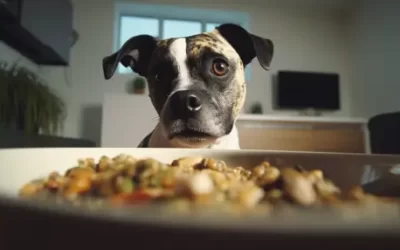
Doting pet owners often find themselves on a quest for the best ways to enhance the well-being of their beloved canine companions. If you’re here, it’s likely because you share the same deep concern for your furry friend’s health and nutrition.
The question on your mind, “Can dogs eat turkey necks raw?” resonates with the thoughtful curiosity of those seeking optimal dietary choices for their four-legged family members.
As a seasoned professional in the field, I’ve witnessed the evolving landscape of pet nutrition and the growing interest in incorporating natural, raw elements into a dog’s diet.
Now, let’s delve into the heart of your question, drawing on years of experience and comprehensive understanding to provide you with the insights you seek.
This article goes beyond a simple “yes” or “no” answer, offering a nuanced understanding of the nutritional components, potential benefits, safety considerations, and expert opinions surrounding this dietary choice.
If you’re seeking a solution to your query, look no further—read on, and let’s unravel the intricacies of whether dogs can indeed eat turkey necks raw and how to do so responsibly. Your journey to informed and caring pet ownership begins here.
Dogs can eat turkey necks raw. Raw turkey necks can be a safe and nutritious treat for dogs, providing them with essential nutrients like protein and healthy fats. However, it’s crucial to ensure that the turkey necks are fresh, free from additives, and appropriately sized to prevent choking.
- Nutritional Value of Turkey Necks
- Safety Considerations
- Dental Health and Chewing Benefits
- How to Introduce Raw Turkey Necks into a Dog’s Diet
- Potential Risks
- Expert Opinions and Research Findings
- Final Thoughts: can dogs eat turkey necks raw
- Frequently Asked Questions on Feeding Dogs With turkey necks raw
Nutritional Value of Turkey Necks

As a seasoned veterinary professional, I understand the importance of delving into the nutritional aspects of a dog’s diet, especially when considering the incorporation of raw turkey necks.
These seemingly simple additions to a canine’s menu can offer a spectrum of essential nutrients. Let’s explore the breakdown of nutritional components, compare them to processed dog foods, and unearth the potential health benefits for our furry companions.
Nutritional Components in Raw Turkey Necks
In understanding the nutritional value of raw turkey necks, it’s crucial to appreciate the diverse array of components that contribute to a dog’s overall health. Raw turkey necks are a rich source of protein, supplying essential amino acids vital for muscle development and overall bodily function.
Additionally, they contain healthy fats, including omega-3 fatty acids, fostering optimal skin and coat health.
Furthermore, turkey necks boast a wealth of vitamins such as B vitamins and minerals like phosphorus and zinc, all of which play pivotal roles in supporting a dog’s immune system and promoting overall well-being.
Comparison to Processed Dog Foods
Comparing raw turkey necks to commercially processed dog foods unveils noteworthy distinctions. While processed dog foods are formulated to meet basic nutritional requirements, they often undergo extensive cooking processes that may result in a loss of some heat-sensitive nutrients.
On the contrary, raw turkey necks maintain their nutrient integrity as they are served in their natural state.
The inclusion of raw, unprocessed foods allows for a more bioavailable nutrient profile, potentially enhancing the absorption of essential elements vital for a dog’s health.
Potential Health Benefits for Dogs
Beyond the nutritional breakdown and comparison, it’s essential to highlight the potential health benefits that raw turkey necks can offer to our canine companions. The natural chewing action required to consume turkey necks provides dental benefits, helping to reduce plaque and tartar buildup.
Moreover, the combination of protein, healthy fats, and various vitamins and minerals supports optimal digestion, potentially alleviating common gastrointestinal issues. The omega-3 fatty acids found in turkey necks contribute to joint health and may have anti-inflammatory effects, benefiting dogs with arthritis or joint conditions.
In summary, understanding the nutritional components of raw turkey necks, comparing them to processed dog foods, and recognizing the potential health benefits provide a comprehensive perspective on why these natural additions can be a valuable component of a dog’s diet.
As we continue to explore the intricacies of feeding practices, it becomes evident that a thoughtful and well-balanced approach contributes to the overall health and happiness of our beloved canine companions.
Also Read: can dogs eat uncooked turkey necks?
Safety Considerations

Ensuring the safety of our canine companions is paramount, especially when introducing raw turkey necks into their diet. As a seasoned veterinary professional, I approach this topic with the utmost care and attention to detail.
Let’s delve into the safety considerations surrounding bacterial contamination, provide valuable tips for sourcing and handling raw turkey necks, and explore the perspectives of veterinary experts on the safety of raw feeding for dogs.
Addressing Concerns about Bacterial Contamination
One primary concern associated with feeding dogs raw turkey necks is the potential for bacterial contamination. Raw meat, including turkey necks, may harbor bacteria such as Salmonella and E. coli, posing risks to both canine and human health.
It is crucial to emphasize the importance of proper hygiene practices, including handwashing, cleaning utensils, and sanitizing food preparation areas after handling raw turkey necks.
Additionally, educating pet owners on the signs of bacterial infections in dogs, such as gastrointestinal distress, can empower them to monitor their pets’ health closely.
Tips for Sourcing and Handling Raw Turkey Necks
Mitigating the risks associated with raw feeding starts with sourcing high-quality raw turkey necks and implementing proper handling procedures. It is advisable to purchase raw meat from reputable sources that adhere to strict quality standards.
When handling raw turkey necks, practicing safe food handling techniques, such as using separate cutting boards for raw meat, helps prevent cross-contamination. Proper storage at appropriate temperatures is also essential to maintain the freshness and safety of the raw meat.
Veterinary Perspectives on the Safety of Raw Feeding
Understanding the safety of raw feeding from a veterinary standpoint is crucial for making informed decisions. Many veterinarians have varying perspectives on the matter. While some endorse raw feeding for its potential benefits, others express concerns about the associated risks.
It is essential for pet owners to consult with their veterinarians before introducing raw turkey necks into their dogs’ diets. Veterinary guidance ensures that the decision aligns with the specific health needs and conditions of individual dogs, promoting a balanced and tailored approach to nutrition.
In summary, addressing concerns about bacterial contamination, providing tips for safe sourcing and handling of raw turkey necks, and seeking veterinary perspectives on the safety of raw feeding contributes to a well-rounded understanding of the potential risks and precautions associated with this dietary choice.
By approaching raw feeding with knowledge and caution, pet owners can prioritize the well-being of their dogs while exploring alternative and potentially beneficial nutritional options.
Also Read: Can Dogs Eat Raw Turkey Wings?
Dental Health and Chewing Benefits

Understanding the intricate connection between a dog’s dental health and their overall well-being is integral to responsible pet ownership.
In this segment, we’ll explore the natural chewing instinct in dogs, delve into the dental benefits of chewing on raw turkey necks, and discuss the potential prevention of dental issues that can arise in our beloved canine companions.
Natural Chewing Instinct in Dogs
Dogs, by nature, have a profound instinct to chew. This behavior is deeply rooted in their evolutionary history, serving various purposes such as maintaining jaw strength, cleaning teeth, and alleviating anxiety.
Recognizing and nurturing this innate chewing instinct is crucial for promoting a dog’s mental and physical health. Raw turkey necks, with their texture and consistency, provide a satisfying outlet for this instinct, engaging dogs in natural and beneficial behavior.
Dental Benefits of Chewing on Raw Turkey Necks
Chewing on raw turkey necks can offer significant dental benefits for dogs. The mechanical action of gnawing and tearing at the meat and bone helps to remove plaque and tartar from the teeth.
This natural cleaning process contributes to healthier gums, reduced risk of periodontal disease, and fresher breath. The combination of muscle and ligament exercise during chewing further supports jaw strength and overall oral health.
Possible Prevention of Dental Issues
Regular incorporation of raw turkey necks into a dog’s diet has the potential to prevent common dental issues. The abrasive action of chewing helps to break down dental deposits, minimizing the accumulation of plaque and tartar.
By addressing these issues early on, the risk of more severe dental conditions, such as gingivitis and periodontal disease, is reduced. This preventive approach aligns with the broader goal of holistic pet care, promoting not just nutritional well-being but also the longevity of a dog’s dental health.
In summary, exploring the natural chewing instinct in dogs, understanding the dental benefits of chewing on raw turkey necks, and considering the potential prevention of dental issues underscore the multifaceted advantages of incorporating this natural behavior into a dog’s routine.
As responsible pet owners, recognizing and embracing the inherent needs of our canine companions contributes to their overall health and happiness.
Also Read: Can Dogs Eat Raw Turkey Neck Bones?
How to Introduce Raw Turkey Necks into a Dog’s Diet

Introducing raw turkey necks into a dog’s diet requires a thoughtful and gradual approach, considering the unique dietary needs and preferences of each canine companion.
In this section, we’ll explore the importance of a gradual introduction and monitoring process, delve into the nuances of portion control, and discuss the benefits of mixing raw turkey necks with other foods to achieve a balanced and nutritionally complete diet.
Gradual Introduction and Monitoring
The key to successfully incorporating raw turkey necks into a dog’s diet lies in a gradual introduction and vigilant monitoring.
Abrupt dietary changes can sometimes lead to digestive upset, and it’s essential to allow a dog’s system to adapt slowly. Begin by offering small portions of raw turkey necks and observe how your dog responds.
Monitor for any signs of gastrointestinal distress, such as diarrhea or vomiting, and adjust the quantity accordingly. This gradual approach not only eases the transition but also helps identify any potential sensitivities.
Understanding Portion Control
Portion control is a fundamental aspect of introducing any new food into a dog’s diet, and raw turkey necks are no exception. Consider factors such as your dog’s size, weight, and activity level when determining appropriate portions.
As a general guideline, aim for about 2-3% of your dog’s body weight in raw food daily. Adjustments may be necessary based on individual metabolism and health conditions.
Careful portion control ensures that your dog receives the nutritional benefits of raw turkey necks without overloading their system.
Mixing with Other Foods for a Balanced Diet
While raw turkey necks offer a variety of essential nutrients, it’s crucial to complement them with a well-rounded and balanced diet. Mixing raw turkey necks with other foods, such as high-quality commercial dog food or vet-approved homemade recipes, ensures that your dog receives a comprehensive array of nutrients.
This approach helps address any nutritional gaps and provides a diverse palate for your dog. Consultation with a veterinarian can aid in tailoring a diet that meets your dog’s specific nutritional requirements.
In summary, the gradual introduction and monitoring of raw turkey necks, understanding portion control, and incorporating them into a balanced diet showcase a conscientious and individualized approach to a dog’s nutritional well-being.
By navigating this process with care and consideration, pet owners can enhance the overall health and happiness of their canine companions through a thoughtfully curated diet.
Also Read: can dogs eat raw turkey gizzards?
Potential Risks

While the inclusion of raw turkey necks in a dog’s diet can offer numerous benefits, it’s imperative to address potential risks associated with this feeding practice.
In this section, we will discuss the risk of choking, analyze the potential for bone splintering, and highlight the importance of recognizing allergies and sensitivities in dogs to ensure a well-rounded understanding of the potential hazards.
The Risk of Choking
One significant concern when feeding dogs raw turkey necks is the risk of choking. The bones in turkey necks, while generally softer than weight-bearing bones, can still pose a choking hazard, especially for dogs that are known to gulp their food without adequate chewing.
To mitigate this risk, pet owners should supervise their dogs during mealtime and consider options such as deboning the turkey necks or providing larger portions that encourage more deliberate chewing.
This precautionary approach aligns with a commitment to both nutritional well-being and the safety of our canine companions.
Potential for Bone Splintering
Bone splintering is another consideration when incorporating raw turkey necks into a dog’s diet. While raw bones are less likely to splinter than cooked bones, it’s essential to be aware of the potential risks, particularly in dogs with aggressive chewing habits.
Regular veterinary check-ups can help monitor dental health and identify any signs of dental issues caused by bone splintering.
Understanding the specific needs and behaviors of individual dogs allows pet owners to make informed decisions about the appropriateness of raw turkey necks in their pets’ diet.
Recognizing Allergies and Sensitivities in Dogs
Just as humans can have allergies, dogs can also develop sensitivities to certain foods. Raw turkey necks may trigger allergic reactions in some dogs, leading to symptoms such as itching, digestive upset, or respiratory issues.
It’s crucial for pet owners to be vigilant and observant of any signs of allergies when introducing new foods into their dogs’ diets.
Consulting with a veterinarian can help identify and manage potential allergies, ensuring that dietary choices align with the specific health needs of individual dogs.
In conclusion, addressing the potential risks associated with feeding dogs raw turkey necks is essential for a well-rounded understanding of the practice.
By proactively considering and managing these risks, pet owners can navigate the path of raw feeding responsibly, promoting both the nutritional well-being and safety of their beloved canine companions.
Also Read: Can Dogs Eat Turkey Hearts?
Expert Opinions and Research Findings

In the ever-evolving landscape of pet nutrition, seeking expert opinions and delving into research findings is crucial for making informed decisions about the dietary choices we make for our dogs.
In this segment, we’ll explore veterinarians’ perspectives on raw feeding, examine research studies that shed light on the benefits and risks of raw diets for dogs, and present balanced viewpoints to provide a comprehensive overview of the subject.
Veterinarians’ Perspectives on Raw Feeding
Understanding the stance of veterinary professionals is fundamental when considering raw feeding for dogs. Many veterinarians have varying opinions on the matter, and these perspectives can provide valuable insights.
Some endorse raw feeding for its potential benefits, including improved coat condition and reduced allergy symptoms. On the other hand, some express concerns about the risk of bacterial contamination and potential nutritional imbalances.
By presenting a range of veterinarians’ viewpoints, pet owners can gain a nuanced understanding and make well-informed decisions in consultation with their own trusted veterinary professionals.
Studies on the Benefits and Risks of Raw Diets for Dogs
Research studies play a pivotal role in unraveling the complexities of raw diets for dogs. These studies delve into the potential benefits, such as improved dental health and digestion, as well as the associated risks, including bacterial contamination and nutritional imbalances.
Examining the scientific evidence provides a foundation for informed decision-making. While some studies suggest positive outcomes from raw feeding, others emphasize the importance of cautious implementation and ongoing monitoring.
By synthesizing these research findings, pet owners can navigate the nuanced landscape of raw diets with a more comprehensive understanding.
Balanced Viewpoints to Provide a Comprehensive Overview
To offer a well-rounded perspective, it’s essential to present balanced viewpoints that acknowledge both the potential advantages and risks of raw feeding.
By considering the diversity of opinions within the veterinary community and weighing the findings of research studies, pet owners can make decisions that align with their dogs’ specific health needs.
Emphasizing the importance of individualized approaches and the need for regular veterinary consultations ensures a balanced and responsible approach to incorporating raw turkey necks or other raw foods into a dog’s diet.
Exploring veterinarians’ perspectives, researching studies on the benefits and risks of raw diets, and presenting balanced viewpoints provide a robust foundation for making informed decisions about raw feeding for dogs.
This comprehensive overview empowers pet owners to navigate the complexities of pet nutrition with knowledge and discernment, ultimately prioritizing the health and well-being of their beloved canine companions.
Also Read: can dogs eat a turkey neck?
Final Thoughts: can dogs eat turkey necks raw

Dogs can eat turkey necks raw, and for many, it can be a beneficial addition to their diet. Raw turkey necks provide a natural source of protein, essential amino acids, healthy fats, and various vitamins and minerals.
The act of chewing on raw turkey necks also offers dental benefits, helping to clean teeth and reduce plaque and tartar buildup. However, pet owners should be aware of potential risks, including the risk of choking, bone splintering, and bacterial contamination.
It is crucial to introduce raw turkey necks gradually, monitor the dog’s response, practice portion control, and consult with a veterinarian to ensure the safety and appropriateness of incorporating raw turkey necks into the dog’s overall diet.
Summarizing Key Points
Reflecting on the journey through the nuances of raw feeding, it becomes evident that raw turkey necks can offer a spectrum of benefits, from dental health improvements to potential nutritional advantages.
The breakdown of nutritional components, safety considerations, and expert opinions collectively contribute to a comprehensive understanding of the practice.
Emphasizing the importance of gradual introduction, vigilant monitoring, and a balanced approach to diet enables pet owners to harness the potential advantages while mitigating associated risks.
The importance of Consulting with a Veterinarian
Amidst the wealth of information available, the role of a trusted veterinarian remains paramount. Veterinary professionals bring a depth of expertise and individualized understanding that is crucial for tailoring dietary choices to the specific health needs of each dog.
Whether considering raw turkey necks or any other dietary change, consulting with a veterinarian ensures that decisions align with the unique requirements of individual pets.
This collaborative approach fosters a proactive stance toward pet health, emphasizing preventive care and overall well-being.
Encouraging Readers to Make Informed Decisions
In the realm of pet nutrition, knowledge empowers responsible decision-making. As readers navigate the considerations surrounding raw turkey necks, the encouragement is to continue seeking information, staying attuned to their dogs’ responses, and making decisions grounded in both expertise and personal observations.
Recognizing that each dog is unique and may have different dietary needs underscores the importance of a thoughtful and informed approach. By doing so, pet owners contribute to the longevity, health, and happiness of their cherished canine companions.
In conclusion, the exploration into whether dogs can eat raw turkey necks encompasses a spectrum of considerations. Summarizing key points, emphasizing the role of veterinary guidance, and encouraging informed decision-making paves the way for responsible pet ownership.
As we navigate the dynamic landscape of pet nutrition, let our choices be guided by a commitment to the well-being and vitality of our four-legged friends.