Hello new and seasoned parent of the Mastiff dog. Welcome to my ultimate guide on feeding a Mastiff.
In this guide, I will cover how much to feed a mastiff, how often to feed your mastiff, when to feed your mastiff, what foods to feed your mastiff, what foods to avoid feeding your mastiff, and other questions you may have about your French bulldog’s nutrition.
You can read the article to the end, or go through the table of contents below and jump to the section that answers the questions you have on your mind.
- Mastiff Nutritional Requirements
- Factors Affecting The Feeding of A Mastiff
- Mastiff Feeding Amount
- Mastiff Feeding Frequency
- Mastiff Feeding Schedule
- What Food To Feed Your Mastiff?
- What Should You Avoid Feeding Your Mastiff?
- When To Transition Your Mastiff From Puppy Food To Adult Food
- Why Isn’t My Mastiff Eating?
- Why Is My Mastiff Always Hungry?
- Frequently Asked Questions on Mastiff Feeding
- Final Thoughts on Mastiff Feeding
Most new and even seasoned parents of a mastiff will be curious about some questions concerning the breed of their pet. Thankfully, due to my experience and internship with a veterinarian, I can hopefully answer your question.
Mastiffs are large dog breeds and as such are big eaters and have huge appetites because of their size, nutrition has to be a core concern for their pet parent in order for the dog to live a healthy life.
Let’s jump into the article.
Mastiff Nutritional Requirements

The nutritional requirement is one of the most important things to put into consideration, Mastiffs are one of the largest breeds of dogs. So, they cannot be raised on low-quality feed if you want them to grow to their optimum weight and height because it will lead to health problems and may also trigger some genetic health issues as well.
Your Mastiff meal should consist of mostly proteins, minerals, fats, fatty acids, and fiber for healthy muscle and bone growth.
Your Mastiff’s source of fiber should come from brown rice, wheat, sprouts, cabbage, and carrot while its source of protein must come from animal flesh like fish, chicken, turkey, beef, lamb, and organ meat. And its source of fat must come from vegetables and fish oil.
Nutritional Requirement for a Mastiff Puppy
The diet of a Mastiff puppy and adolescent should consist of 25-27% protein, 12-15% fat, and 8% fiber. This is a vital stage in your puppy’s life, it would need the right amount of nutrients for growing muscles and healthy bones.
Nutritional Requirement for an Adult Mastiff
The meal plan for an adult Mastiff should consist of 21-25% protein, 8-10% fat, and 6% fiber. At this stage, your dog does not require as much protein as the puppy to prevent obesity, even if a significant amount of protein will be required in your dog’s diet. There is also an increase in their carbohydrates, as this active phase of your dog’s life will require energy-giving food.
Nutritional Requirement For a Senior Mastiff
The food your senior mastiff will eat at this stage of its life should ideally consist of 21-25% protein, 8-10% fat, and 7% fiber. A Mastiff at this stage of life needs a significant percentage of these nutrients, especially minerals (phosphorus, calcium, magnesium, and potassium) and vitamins (A, B, C, D, E, K, and choline) to strengthen the immune system.
Factors Affecting The Feeding of A Mastiff
Some factors will affect the diet of your Mastiffs, such as the size of the breed, its age, its activity level, and its underlying health conditions.
Let’s take a quick look at those factors before we jump into the quantity of food to feed your dog.
Size consideration
The average height of a Mastiff male is 30 inches (76 cm), and that of a female is 27 inches (70 cm) from the sole of its feet to its shoulder. The weight of the male is around 160 to 230 pounds (73 to 104 kg), while that of the female is around 54 to 77 pounds (54 to 77 kg).
Due to the large size of the mastiff, they tend to have a large appetite. Males will require a larger intake of calories than females because of their size differences.
Age consideration
As different weight sizes will require different intakes of calories, so too will different age grades require a suitable level of nutrition to match their stage of development.
Mastiffs grow fast, so at different stages of your dog’s life, your furry buddy will require different amounts of nutrients and calories for healthy growth.
Activity Level
Mastiffs are active dogs and will require a specific nutrient to maintain their energy level and some athletic abilities.
Cheap fast food is bad for active dogs because of its high fat content and sodium levels. These foods can make your dog slow and groggy.
Health Consideration
Mastiffs are prone to obesity and other genetic health conditions. This factor should be considered in your dog’s diet to prevent triggering such health issues.
Some of these health issues are hip dysplasia, gastric torsion, obesity, osteosarcoma, and cystinuria.
These health problems could be avoided or mitigated by eating or avoiding certain foods from the start, rather than treating them as they arise.
Cutting corners like going for cheap foods can be detrimental to the overall well-being of your dogs.
Mastiff Feeding Amount

Your mastiff, just like any other dog breed, will require a different amount of food according to its stage of development. According to nutritional requirements, the amount of food required by a puppy mastiff differs from that required by an adult.
On average, feed your puppy Mastiff 3 to 6 cups of food per day; feed your adult Mastiff 8 to 12 cups per day, according to its activity level; and feed your senior Mastiff 5-7 cups per day.
I will provide you with charts below to help you plan your dog’s meals from its puppy years to its senior years. However, this meal plan is not one-size-fits-all. It’s just a general guideline that should be followed based on your dog’s needs and recommendations from your vet or dog nutritionist.
How Much To Feed Your Puppy Mastiff
For your puppy and adolescent to grow into healthy adults, the meal should be high in protein and low in fat, which can be obtained from animal meat.
A Mastiff puppy should be given 3 to 6 cups of food per day with nutrients based on its age, weight, size, gender, and physical activity.
The feeding requirement of your puppy is given in detail in the charts below:
| Age | Daily Food Quantity (Cups) | Meals | Protein | Fats |
| 2 months | 3 – 4 | 3 – 4 times | 25 – 27% | 12– 15% |
| 3 months | 4 – 6 | 3 – 4 | 25 – 27% | 12– 15% |
| 4 months | 5 – 7 | 3 – 4 | 25 – 27% | 12– 15% |
| 10 – 12 months | 6 – 8 | 2 – 3 | 25 – 27% | 12– 15% |
Following the guidelines above will aid in bone development, promote muscle growth, and strengthen their immune system to fight off common bacteria and viruses that can lead to some health complications.
How Much Should You Feed Your Adult Mastiff?
The nutritional requirements of an adult Mastiff differ from those of a puppy. To avoid obesity, a mature mastiff’s food should contain a lower percentage of proteins and fats.
A mature and adult Mastiff puppy should be given 8 to 12 cups of food per day that contains nutrients based on its age, weight, size, gender, and physical activity.
The chart below will give you an understanding of the daily consumption needs of an adult Mastiff and help you with their meal plan.
| Age | Daily Food Quantity(Cups) | Meals | Protein | Fats |
| 1 – 6 years | 8 – 12 | 2 | 21–25 % | 8–10 % |
How Much Should You Feed Your Senior Mastiff?
Senior Mastiffs are less active than their younger counterparts, so, therefore, they will need more vitamins and minerals in order to keep their brain and immune system healthy.
Geriatric mastiffs, due to their old age tend to be picky eaters when it comes to commercial foods and their favorite kibble.
Senior and geriatric mastiff puppies should be given 5 to 7 cups of food per day of nutrients based on their age, weight, size, gender, and health issues.
The table below gives you some details about the meal plan of an older Mastiff.
However, you must still ensure that they get the essential nutrients they need.
| Age | Daily Food Quantity(Cups) | Meals | Protein | Fats |
| 7 years and above | 5 to 7 | 2 | 25% | 14% |
You can continue giving your senior dog the same food you gave them as adults, only in smaller quantities as they don’t need as many calories as adult dogs. However, you should still consult your vet or pet nutritionist to be on the safe side.
Mastiff Feeding Frequency
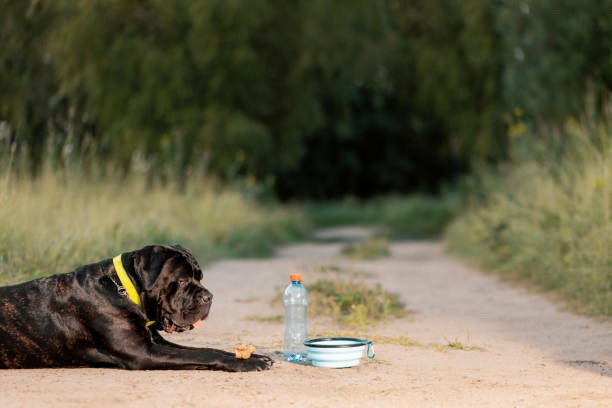
Your mastiff’s meal frequency will vary the same as the feeding amounts, which are majorly dependent on its age. Below is a list of how often to feed your mastiff:
How Often Should You Feed Your Mastiff Puppy?
- During the weaning process or at 8 weeks old and below: feed them four times a day at equally spaced intervals.
- 8 weeks to 9 months old: feed them three times a day at equally spaced intervals.
- 9 months to 12 months old: gradually transition to feeding them two times a day with 12 hours of spacing between meals. Ideally, one meal in the morning and the other in the evening.
How Often Should You Feed Your Adult Mastiff?
You should feed your adult Mastiff two times a day, with 12 hours’ spacing between meals.
How Often Should You Feed Your Senior Mastiff?
You should feed your senior mastiff two times a day unless given a specific schedule by a vet.
Mastiff Feeding Schedule
- Mastiff puppies should be fed in the morning, afternoon, evening, and night due to a faster metabolism in comparison to their adult colleagues
- Adolescent Mastiffs should be fed in the morning, afternoon, and evening to help them transition properly into adults.
- Adult German and Senior Mastiffs should also be fed in the morning and the evening unless stated differently by your vet or pet nutritionist.
As a general rule, you should feed your mastiff a few hours before going to bed in the evening, so they have enough time to digest the food before going to sleep.
In total, we shouldn’t spoil our companions with treats as they may grow too attached to them. Treats should be heavily used as a reward when training your dog.
What Food To Feed Your Mastiff?
The food you feed your Mastiff should specifically cater to large breeds and contain the required nutrients necessary for a strong and healthy dog.
The kind of food to feed your Mastiff includes dry dog food, wet dog food, a home-cooked diet, and biologically appropriate raw food to ensure your dog eats a balanced diet.
Let me touch on these few points to help you understand what to feed your dog:
- Dry Food: Dry dog or Kibble is a portion of commercial pet food made by grinding and mixing up ingredients like meats, grains, and nutritional additives which are then shaped into little kernels and cooked at high temps to remove the water content. Dry Dog contains more carbs, less fat, less water, and sometimes less protein and is often recommended by vets due to its lower cost, dental health benefits, convenience, weight loss support, and playtime perks.
- Wet Food: Wet dog food or canned food is made by mixing up and cooking the ingredients before adding or extracting varying amounts of water. Unlike dry dog food, wet dog food contains more water, fewer carbs, more fat, and often, more protein. They are recommended by vets due to their high water content, taste, ease of eating, and high nutritional profile.
- Home-Cooked Diet: Home-Cooked diets are a great option for pet parents who are not into commercial dog food, and want to go the extra length to prepare a meal for their furry companion. Feeding your dog a home-cooked meal will give you control of its nutrition and can put you at ease knowing that you will always give your dog the best treatment.
- BARF Diet: Biologically Appropriate Raw Food is a diet that includes raw meat, raw eggs, crushed animal bones, fruits, vegetables, probiotics, and other natural ingredients. BARF diets are used as a substitute for processed foods with preservatives. However, consult your vet before feeding your pet a raw diet to avoid health complications from harmful substances.

What Should You Avoid Feeding Your Mastiff?
We should take caution before giving whatever food we’re eating to our mastiff. Mastiffs have large appetites, but this does not mean we should feed them just about anything. Also, avoid leaving just any food lying around, as it might be toxic to your pet.
There are certain human foods, fruits, and vegetables to avoid feeding your Mastiff because these foods contain toxins that are harmful to your pet that could lead you to frequent trips to the vet.
Human food to avoid feeding your Mastiffs includes chocolates, coffee, gums, peanut butter, candies, cooked bones, etc.
The Fruits and vegetables to avoid feeding your Mastiff include grapes, avocado, garlic, onions, etc.
You should always check the ingredients on the food label to see if these ingredients are present in the food. Or you can simply consult a vet or pet nutritionist to check the ingredients with them.
When To Transition Your Mastiff From Puppy Food To Adult Food
You should transition your Mastiff puppy from puppy food to adult food when he’s around 12 months old.
Transitioning your adolescent Mastiff from puppy food to adult food is an important stage in your dog’s development. Puppy food contains more calories and nutrients than adult food to meet the nutritional requirements at that stage of life.
However, feeding your adult puppy food will fill them with more protein and fat than their body requires and will lead to obesity due to the high-fat content the body doesn’t need for optimum growth.
Why Isn’t My Mastiff Eating?
Your Mastiff will not eat if it has one or a combination of the factors listed below: Dental problems, gastric problems like ulcers or torsion, stress medication, and other underlying illnesses
You should not be alarmed if your dog refuses to eat; it could be something as simple as indigestion or a mild temperature. The best thing you can do at this stage is to consult your vet about performing a checkup on your dog.
Why Is My Mastiff Always Hungry?
Mastiffs tend to have a healthy appetite, so it can feel like they eat a lot. It can also be due to large size, and that is where it falls on you to ensure your dog is trained properly and avoid free-feeding your dog as this can lead to obesity.
If your Mastiff engages in more exercises than it is used to, this can trigger the feeling of hunger. If the appropriate amount of meal designed for a large dog like the mastiff is not met, your dog may be constantly hungry.
Frequently Asked Questions on Mastiff Feeding
Do mastiffs eat a lot?
However, it’s not advisable to stuff your Mastiff with whatever food you can lay your hands on. You should know its nutritional requirements, when and how much to feed it to prevent health complications, and frequent trips to the vet’s office.
Can mastiffs become vegetarians?
However, you should consult a pet nutritionist or veterinarian to plan a vegan diet for your dog breed to prevent health complications that can arise from an uncertain practice.
Can mastiffs eat bones?
However, you should follow some guidelines laid down by the American Kennel Club before giving bones to your dog. One of the guidelines is to throw away the raw meat bones given to your furry friend after three to four days.
What human food can I feed my mastiff?
What fruits and vegetables can I feed my mastiff?
Should you give your mastiff supplements?
Consult with your vet or nutritionist before giving your pet supplements so as to be aware of the right quantity.
Final Thoughts on Mastiff Feeding
As pet parents, it is our responsibility to ensure that our beloved pet gets the best care and training available. Always stick to their feeding schedule in order to combat the urge to free-feed.
Options such as dry, wet, raw, and homemade diets are all great for them. Free-feeding them or giving them too many treats can lead to severe health problems.
Mastiffs are one of the largest canine breeds, and it is absolutely essential that you equip yourself with what is toxic and what is not. However, aside from research, we need to consult their vet to ensure that we provide them with essential nutrients for growth, good health, and development in all stages of their lives, especially for mastiffs.